

Most people associate cacao with chocolate. But the same plant that gives us dark chocolate also contains theobromine — a naturally occurring compound that research shows may strengthen and repair tooth enamel more effectively than many conventional alternatives.

If you've been searching for a fluoride-free toothpaste that actually delivers on enamel protection, theobromine is an ingredient worth understanding.
What Is Theobromine?
Theobromine is a bitter alkaloid found in cacao beans, tea leaves, and certain other plants. Unlike caffeine (its chemical cousin), theobromine works differently in the body — and in oral care, it has a very specific superpower: it helps rebuild the mineral structure of tooth enamel.
When researchers at the University of Texas Health Science Center studied theobromine's effect on teeth, they found it could harden enamel faster than fluoride by promoting the growth of larger hydroxyapatite crystals — the same mineral your teeth are naturally made of.
How Theobromine Supports Enamel Repair
Your tooth enamel is constantly under attack from acids in food, beverages, and bacteria. Over time, this demineralization weakens enamel and can lead to sensitivity, discoloration, and cavities.
Theobromine supports remineralization through several mechanisms:
- Increases mineral density — It boosts the concentration of calcium and phosphate at the enamel surface, filling in microscopic weak spots before they become cavities.
- Promotes larger hydroxyapatite crystals — Studies show theobromine can produce apatite crystals up to 4 times the normal size, creating a denser, more acid-resistant enamel layer.
- Raises salivary pH — A higher pH means a less acidic mouth environment, giving your enamel more time to repair itself naturally between meals.
- Inhibits harmful bacteria — Research demonstrates antimicrobial activity against Streptococcus mutans, the primary bacteria responsible for tooth decay.
"We grow cacao-adjacent botanicals on our own farm because we believe the best oral care comes from nature's own chemistry — not a lab." — Heart Tone Botanicals
Theobromine vs. Fluoride: What the Research Says
A growing body of peer-reviewed research has compared theobromine directly to fluoride for enamel protection:

- A 2013 study published by the University of Texas found theobromine hardened tooth enamel surfaces better than fluoride, with larger crystal formation and greater mineral uptake.
- A 2018 study in the European Archives of Paediatric Dentistry showed theobromine toothpaste remineralized white spot lesions in children at rates comparable to fluoride toothpaste — while being completely non-toxic if accidentally swallowed.
- A 2021 clinical trial found theobromine toothpaste reduced S. mutans levels and increased salivary pH, matching fluoride's antibacterial performance without fluoride's ingestion risks.
For parents especially, theobromine offers peace of mind. Unlike fluoride — which carries toxicity warnings for children — theobromine is safe even if swallowed, making it ideal for families switching to natural oral care.
Why Theobromine Works Best Alongside Micro-Hydroxyapatite
While theobromine promotes the formation of larger, stronger enamel crystals, micro-hydroxyapatite provides the raw mineral building blocks your teeth need. Together, they create a powerful remineralization system:
- Micro-hydroxyapatite fills in microscopic cracks and lesions with biocompatible calcium phosphate — the same material your enamel is made of.
- Theobromine then promotes the growth and hardening of those newly deposited minerals into larger, more durable crystals.
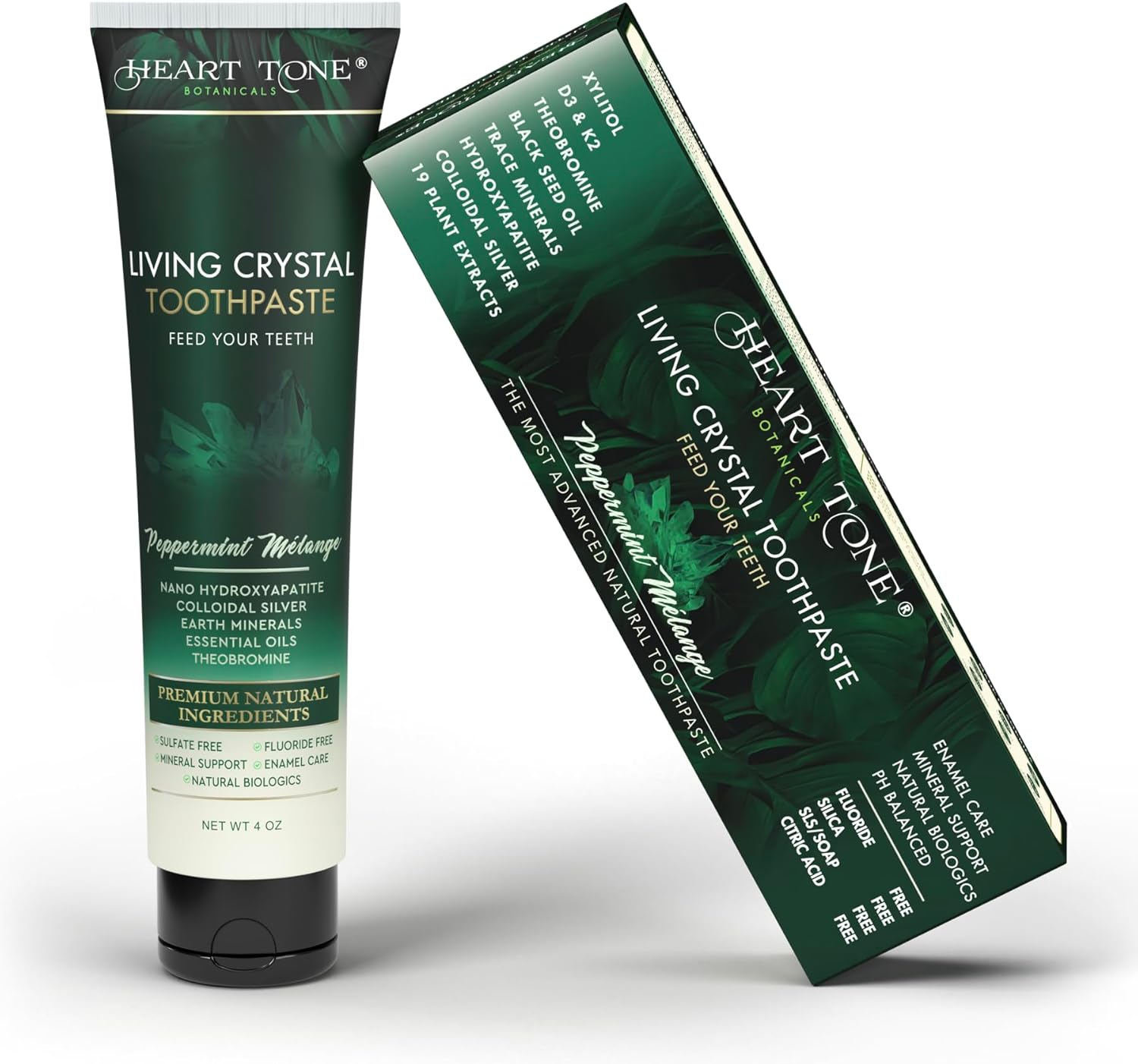
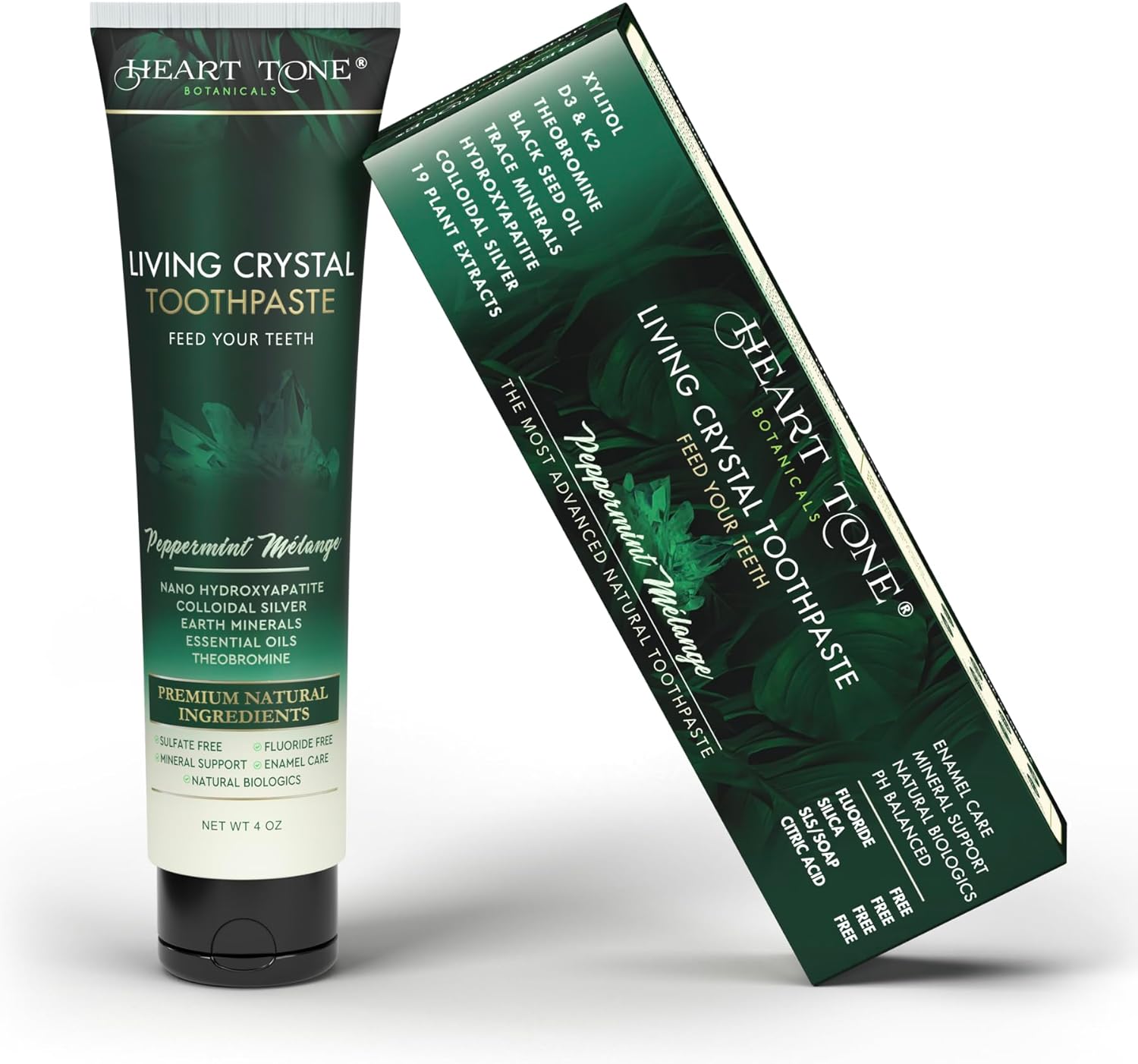
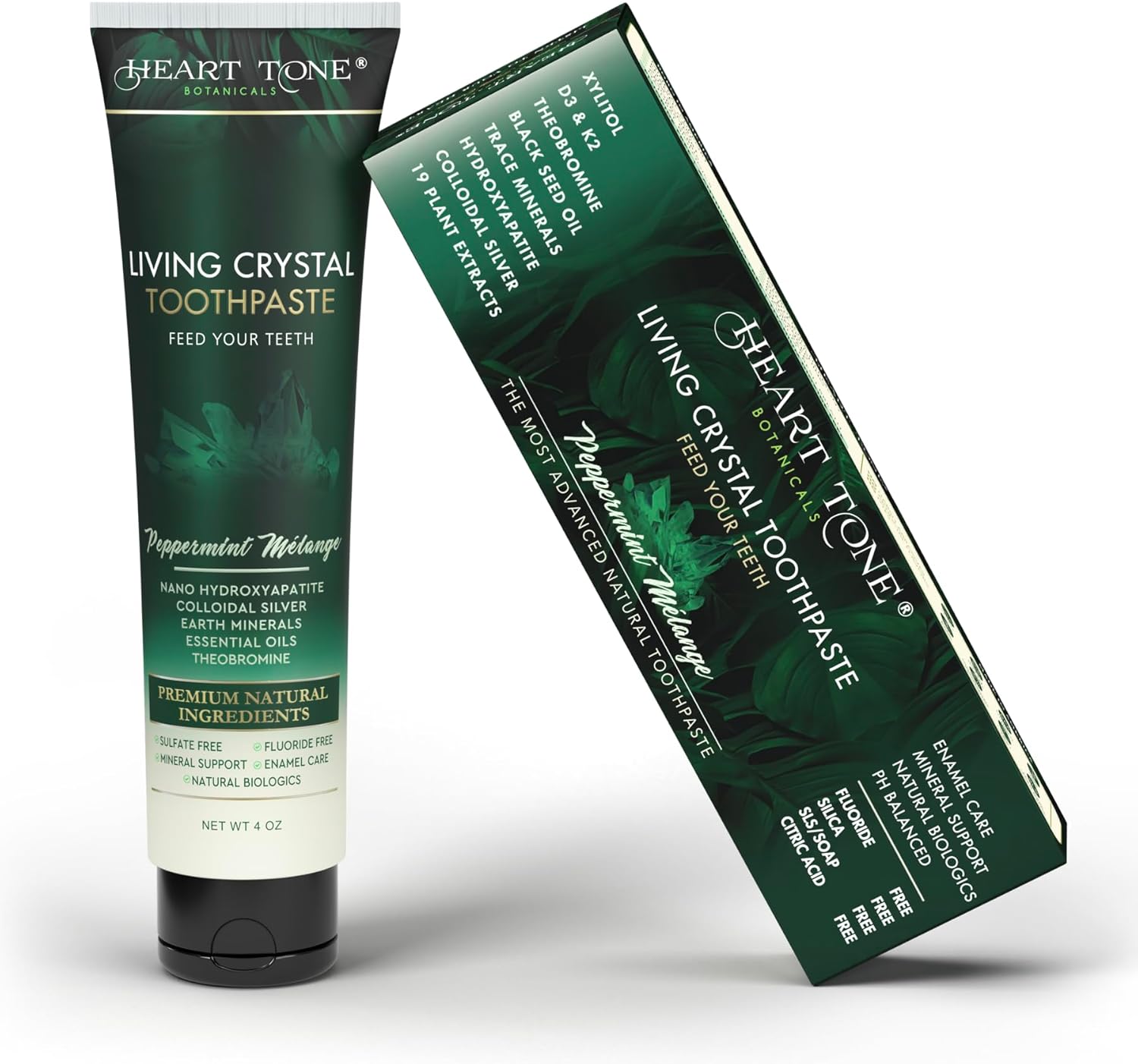
This combination means you're not just patching enamel — you're actively rebuilding it stronger than before. It's why Living Crystal Toothpaste includes both ingredients in its formulation, along with coconut oil, xylitol, colloidal silver, and farm-grown botanicals.
What to Look for in a Theobromine Toothpaste
Not all theobromine toothpastes are created equal. Here's what separates a well-formulated product from a marketing gimmick:
- Check the ingredient list — Theobromine should appear alongside other proven remineralizing agents like micro-hydroxyapatite, not as a standalone novelty ingredient.
- Avoid SLS and synthetic detergents — Sodium lauryl sulfate strips the protective mucus layer from your mouth, counteracting any remineralization benefits. Look for clean formulations free of harsh surfactants.
- Look for low abrasion — A toothpaste can have great ingredients but still damage enamel if it's too abrasive. RDA testing is the gold standard — anything under 70 is considered low abrasion.
- Demand transparency — Brands that invest in third-party testing (like RDA lab results) show they stand behind their formulation. Living Crystal Toothpaste scores an RDA of just 35.51 — firmly in the "least abrasive" category.
The Bottom Line
Theobromine isn't a marketing fad — it's a research-backed compound derived from one of nature's most studied plants. When combined with micro-hydroxyapatite in a low-abrasion, fluoride-free formula, it offers a genuinely effective approach to enamel repair and cavity prevention.
The science is clear: your teeth can rebuild themselves when given the right tools. Theobromine is one of those tools.

Leave a comment
This site is protected by hCaptcha and the hCaptcha Privacy Policy and Terms of Service apply.