

# Theobromine + Hydroxyapatite: The Science Behind Fluoride-Free Remineralization

---
If you've been searching for a fluoride-free toothpastethat actually works, you've likely come across two promising ingredients: theobromine and micro-hydroxyapatite (mHAP). Both have garnered attention in recent years for their ability to remineralize tooth enamel and protect against cavities—without the risks or concerns some people have about fluoride.
But here's where it gets interesting: when combined, these two ingredients create a powerful synergy for natural oral care. Let's dive into the science behind how theobromine and hydroxyapatite work, what research says about their effectiveness, and why this combination is gaining traction among clean beauty enthusiasts and holistic wellness shoppers.
What Is Theobromine?
Theobromine is a naturally occurring compound found in cocoa beans. It's the same compound that gives dark chocolate its subtle bitterness—and it turns out, it's remarkably beneficial for your teeth.
#
How Theobromine Remineralizes Enamel
Research published in PMC shows that theobromine binds calcium and phosphate to tooth enamel, increasing the size of hydroxyapatite crystals—the mineral building blocks of your teeth. Larger crystals mean stronger enamel and better resistance to acid erosion from bacteria.
In clinical studies, theobromine-containing toothpastes demonstrated enamel remineralization comparable to or exceeding that of fluoride toothpastes—with one study noting that achieving equivalent enamel protection requires approximately 71 times less theobromine than fluoride.
#
Cavity Prevention and Sensitivity Reduction
Theobromine doesn't just strengthen enamel—it also: - Reduces Streptococcus mutanslevels, the bacteria primarily responsible for tooth decay - Increases salivary pH and buffering capacity, helping neutralize acids naturally - Reduces tooth sensitivity more quickly than conventional fluoride toothpastesin head-to-head clinical trials
> The takeaway? Theobromine is a natural, safe, and highly effective ingredient for remineralization—especially for those avoiding fluoride.
What Is Micro-Hydroxyapatite (mHAP)?
Micro-hydroxyapatite (mHAP) is a biocompatible mineral that mimics the natural composition of tooth enamel. It's made of calcium phosphate—the same material your teeth are built from.
#
How Hydroxyapatite Works
Unlike fluoride, which works by forming a fluorapatite layer on the enamel surface, mHAP particles coat and integrate directly into microscopic defects in enamel. This biomimetic approach repairs tiny cracks and fills in surface imperfections, creating a smooth, polished finish.
A double-blind in situ study found that 10% mHAP toothpaste was equivalent to 500 ppm fluoride in remineralizing initial caries, with over 50% remineralization and a 25% reduction in lesion depth.
#
Benefits of Hydroxyapatite Toothpaste
- Surface-level remineralizationfor early carious lesions
- Reduced tooth hypersensitivityby filling exposed dentinal tubules
- Biocompatible and safeeven if accidentally swallowed (ideal for children)
- pH bufferingto help maintain a neutral oral environment
The Power of Combining Theobromine and Hydroxyapatite
Here's where the magic happens. Theobromine increases the size of hydroxyapatite crystals, while mHAP supplies the raw mineral material to rebuild enamel. Together, they address remineralization from two complementary angles:
1. Theobromine enhances crystal growth and bacterial defense
2. Micro-hydroxyapatiteprovides direct mineral repair and surface protection
This dual-action approach creates a comprehensive fluoride-free remineralization system that works with your body's natural chemistry rather than against it.

#
Real-World Performance
In clinical and laboratory studies:
- Both ingredients matched or exceeded fluoride in early-stage cavity remineralization
- Theobromine showed superior sensitivity reductioncompared to fluoride
- Hydroxyapatite offered zero toxicity risk, making it safe for all ages
For shoppers seeking a premium botanical toothpastewith science-backed efficacy, the combination of theobromine and hydroxyapatite delivers both the clean experience and the measurable results.
Why Choose Fluoride-Free?
Fluoride remains the most widely studied ingredient for cavity prevention, but many people prefer to avoid it for personal, health, or philosophical reasons. Common concerns include:
- Potential fluorosis in young children
- Environmental impact of fluoride runoff
- Preference for biomimetic, natural ingredients
Theobromine + hydroxyapatiteoffers a compelling alternative for those who want effective oral care without the fluoride debate.
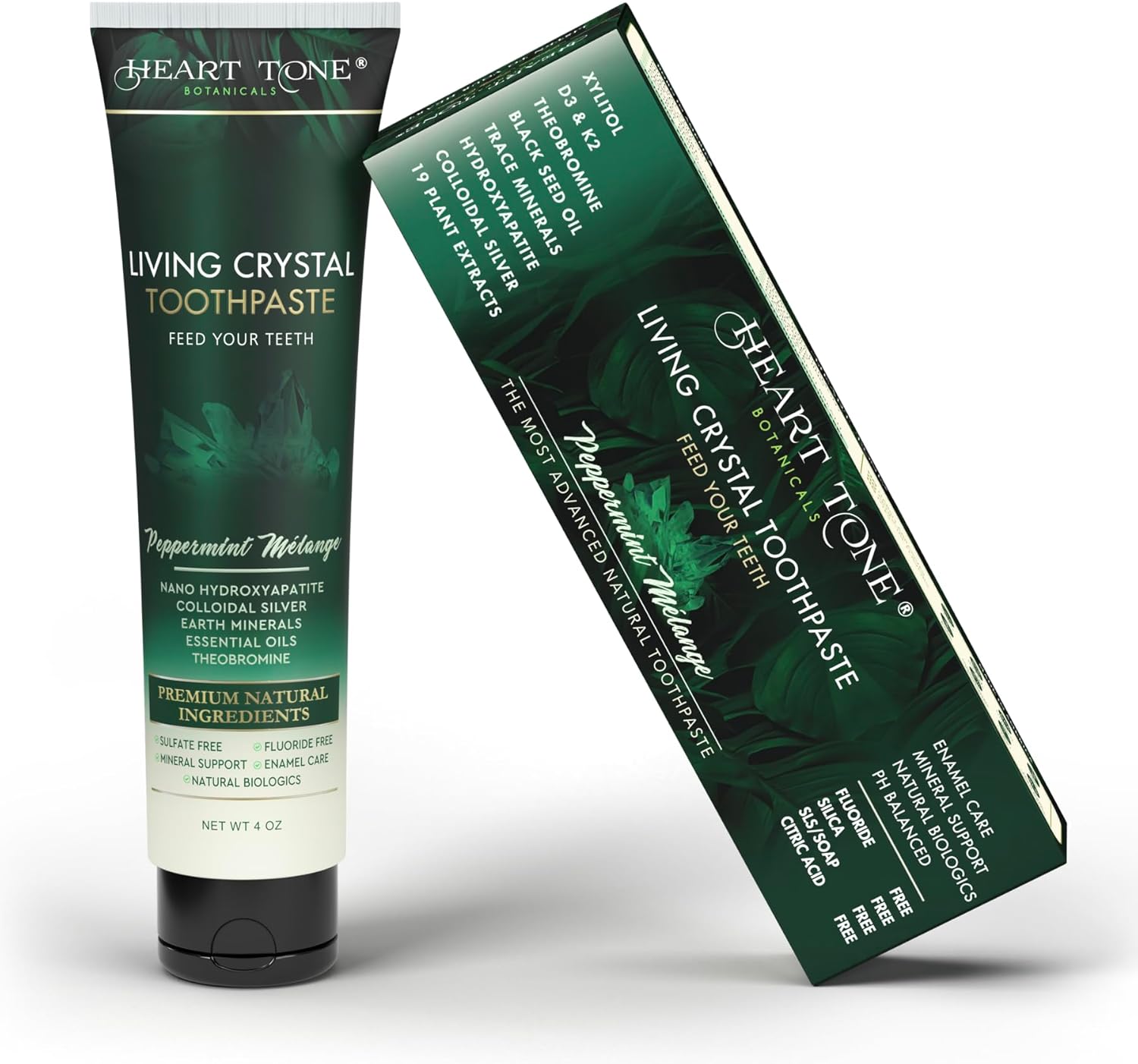
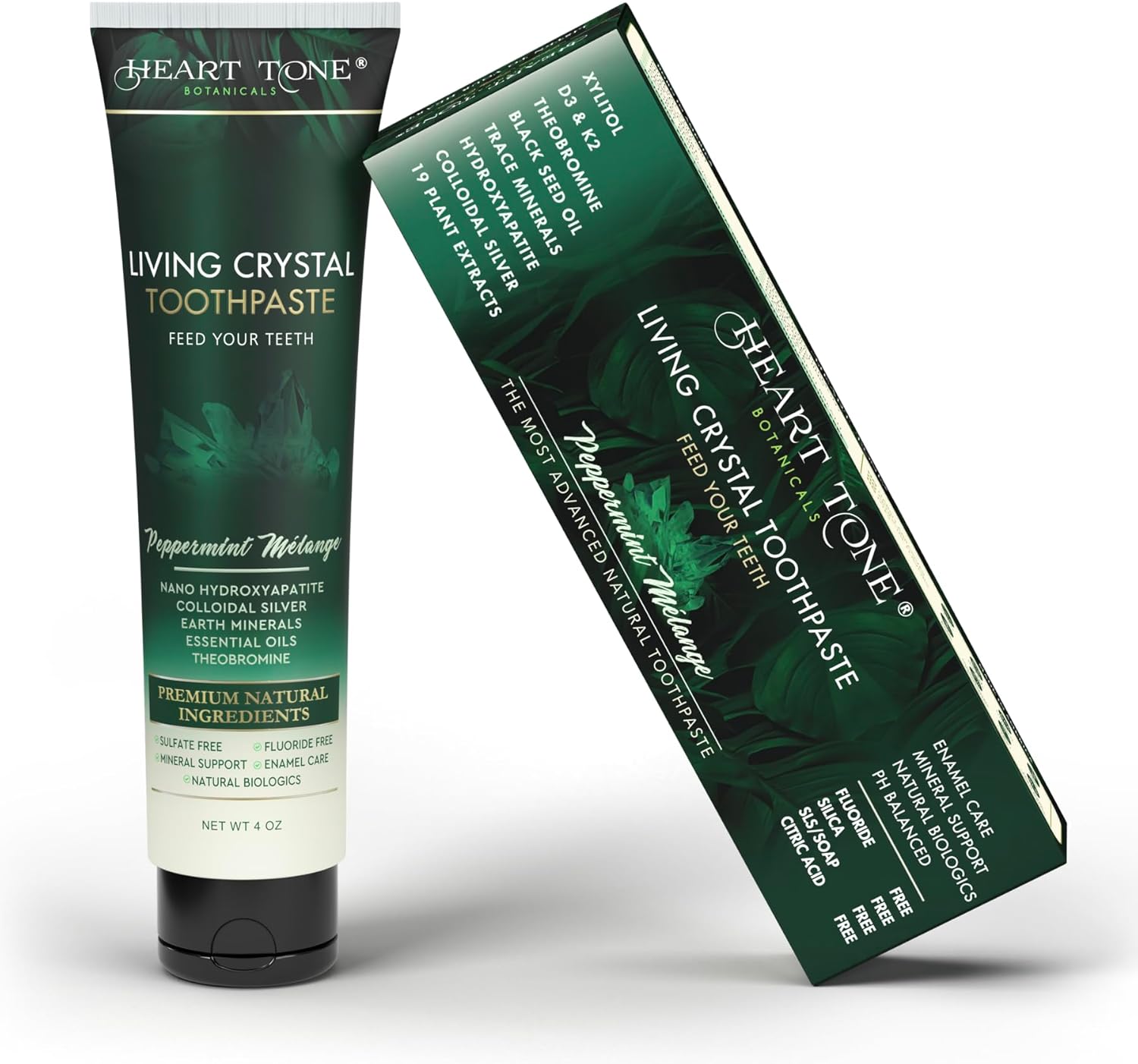
Heart Tone Botanicals' Approach: Living Crystal Toothpaste
At Heart Tone Botanicals, we've combined micro-hydroxyapatite, theobromine, colloidal silver, earth minerals, and botanicals into a pH-balanced fluoride-free toothpaste designed for a more intentional oral care routine.
Living Crystal Toothpaste features:
- Micro-hydroxyapatitefor biomimetic enamel repair
- Theobrominefor crystal growth and bacterial defense
- Colloidal silverand botanicals for a fresh, clean finish
- Peppermint Melange flavor(peppermint, wintergreen, spearmint) for a crisp, uplifting brushing experience
This formula brings together the best of natural remineralization science and farm-grown botanical craftsmanship for a toothpaste that feels premium and performs beautifully.
How to Use Theobromine + Hydroxyapatite Toothpaste
For best results:
1. Brush twice daily for 2 minutes
2. Let the paste sit on your teeth for 30-60 seconds before rinsing to maximize contact time
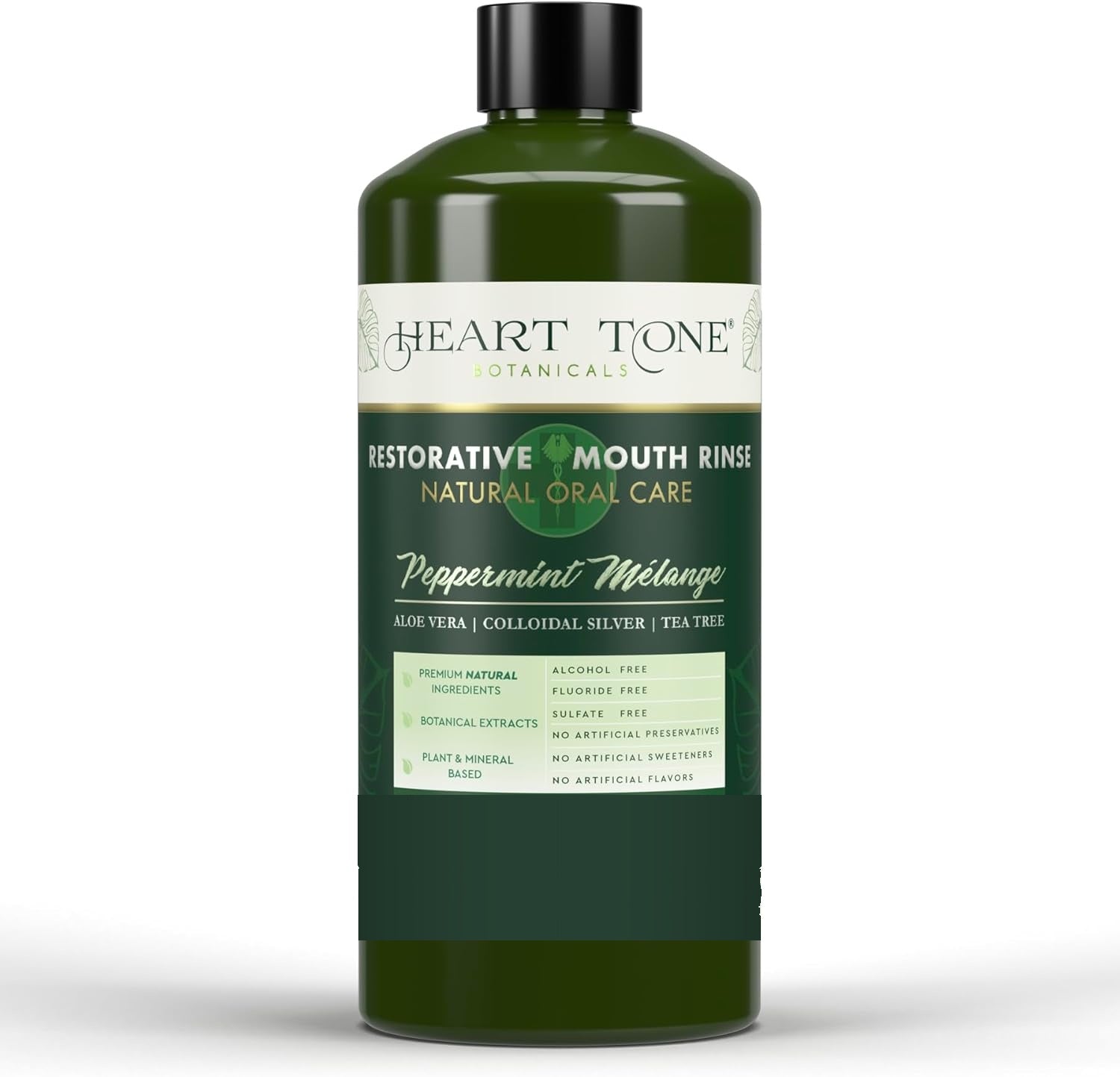
3. Pair with an alcohol-free botanical mouth rinsefor a complete oral care ritual
4. Consider adding oil pulling2-3 times per week for deep cleansing
The Bottom Line
Theobromine and micro-hydroxyapatite represent the cutting edge of fluoride-free oral care. Both ingredients are backed by peer-reviewed research, both show comparable or superior remineralization to fluoride in clinical studies, and both are safe, natural, and biomimetic.
If you're looking for a fluoride-free toothpaste that doesn't compromise on efficacy, this combination is worth considering. It's not just a trend—it's a science-backed approach to natural oral health.
---
Ready to try the power of theobromine and hydroxyapatite for yourself?
👉 Shop Living Crystal Toothpaste
Or explore our full Oral Care collection for a complete natural oral care routine.
---
#
References
- PMC: Effectiveness of Theobromine on Enamel Remineralization(2021)
- PMC: Comparative Study of Micro-Hydroxyapatite vs. Fluoride Toothpaste(2019)
- Dr. Bicuspid: Study Shows Chocolate Compound Hardens Enamel Better Than Fluoride
- GoodRx: Hydroxyapatite Toothpaste vs. Fluoride

Leave a comment
This site is protected by hCaptcha and the hCaptcha Privacy Policy and Terms of Service apply.