












The Short Answer: Your Skin Barrier Is a Physical Layer, Not a Switch You Flip

"Skin barrier" shows up everywhere in skincare conversations right now, but it's often used vaguely — as if it's one thing you can fix with a single product. In reality, your skin barrier is the outermost layer of your skin: a physical structure made of skin cells held together by lipids (fats), topped with its own natural oils. When that structure is well-balanced, skin tends to look smoother and feel more comfortable. When it's out of balance — from weather, over-cleansing, or harsh products — skin can look dull, feel tight, or react more easily to things it normally tolerates.

You don't need a 12-step routine to support your skin barrier. You need to understand what it actually is, what tends to throw it off balance, and which ingredients have a long history of being used alongside it — not against it.
What Actually Stresses the Skin Barrier?
The outer layer of skin is often compared to a brick wall: skin cells are the "bricks," and lipids are the "mortar" holding them together. A few common things can disrupt that structure over time:
- Hot showers, harsh cleansers, and over-exfoliating, which can strip the skin's own natural oils
- Dry air, wind, and seasonal temperature swings
- Alcohol-heavy toners and products with a long list of synthetic fragrance and preservative ingredients
- Skipping moisturizer after cleansing, which leaves the surface without anything to help lock moisture in
Skin that's out of balance often looks less even in texture and tone, and can feel tight, rough, or more reactive than usual. The goal of a barrier-friendly routine isn't to "fix" anything overnight — it's to give skin the lipids and moisture-binding ingredients it uses on its own, consistently, so it can look and feel its best.
Botanical Ingredients With a Long History of Supporting Skin's Look and Feel
Plant Oils Rich in Fatty Acids
Oils like jojoba, moringa, and rosehip have a long history of use in traditional skincare, prized for how closely their fatty acid profile resembles the skin's own natural oils. A face oil or moisturizer built on a blend of these oils is designed to sit on the surface and help seal in moisture, which can leave skin feeling softer and looking visibly smoother rather than tight or dry.
Shea Butter
Shea butter has been used in traditional skincare for generations, valued for its rich, emollient texture. Applied in a nighttime cream, it leaves skin feeling deeply cushioned — a different sensory experience than a lightweight daytime lotion, and one many people reach for specifically when skin feels dry or depleted after a long day.
Hyaluronic Acid and Aloe Vera
Hyaluronic acid is a humectant, meaning it draws moisture to the skin's surface rather than sealing it in. Farm-grown aloe vera leaf juice has a long tradition of use for its soothing, non-drying character. Together in a lightweight serum, these ingredients are formulated to leave skin feeling hydrated and comfortable without the heavier, oil-based finish of a cream.
Hydrosols for Daily Toning
Floral waters like rose and orange blossom hydrosol have centuries of traditional use in skincare, valued for their gentle, alcohol-free character. Misted onto clean skin before a moisturizer or serum, a hydrosol-based toner is designed to leave skin feeling refreshed and ready to absorb what comes next — the opposite experience of an alcohol-based toner, which can leave skin feeling tight afterward.
What Makes a "Barrier-Friendly" Routine Ineffective
Plenty of products market themselves around the skin barrier trend without actually being formulated for it. A few signs a product isn't doing much:
- Mostly water and fragrance — a long ingredient list that starts with water, alcohol, and fragrance, with barrier-supporting oils or humectants buried near the bottom
- Alcohol as a primary ingredient — common in older-style toners and marketed as "refreshing," but it can leave skin feeling tight and dry rather than comfortable
- Over-exfoliation paired with no follow-up moisture — acids and scrubs without a moisturizer or serum afterward can leave skin feeling raw rather than renewed
- Skipping a nighttime layer — skin does its own overnight work, and a routine that stops at a daytime lotion misses the richer, more cushioning texture many people's skin wants at night
How a Natural, Oil-Based Approach Compares
Conventional moisturizers often rely on silicones and petroleum derivatives to create a sealed, smooth feel on the surface. They can work in the short term, but many people find they sit heavily or feel occlusive in warm weather. A botanical approach built on plant oils, butters, and hydrosols takes a different route:
- Plant oils absorb at a pace closer to skin's own oils, rather than sitting on top as a separate film
- Lightweight hydrosols and serums can be layered in warmer months without feeling heavy
- Richer butters and oil blends can be saved for night or colder months, when skin tends to want more cushioning
- A botanical lineup gives you the flexibility to adjust texture by season, rather than one product trying to do everything year-round
A Simple, Barrier-Friendly Daily Order
You don't need every product every day, but a simple order that respects the skin's own structure looks like:
- Tone — a hydrosol mist on clean, slightly damp skin to prep the surface
- Hydrate — a lightweight, humectant-rich serum to draw in moisture
- Seal — a face oil or moisturizer in the morning, and a richer cream at night
Applying lightest to heaviest lets each layer do its job without one blocking the next from absorbing.
The Bottom Line
Your skin barrier isn't something a single serum fixes — it's a structure that responds to consistency: a gentle cleanse, a humectant to draw in moisture, and a plant-oil-based layer to help seal it in, adjusted for the season. Look for jojoba, moringa, rosehip, and shea butter for the sealing step; hyaluronic acid and aloe vera for hydration; and alcohol-free hydrosols for toning. Skip anything that leads with alcohol, fragrance, or a long list of fillers before the ingredients that actually do the work.
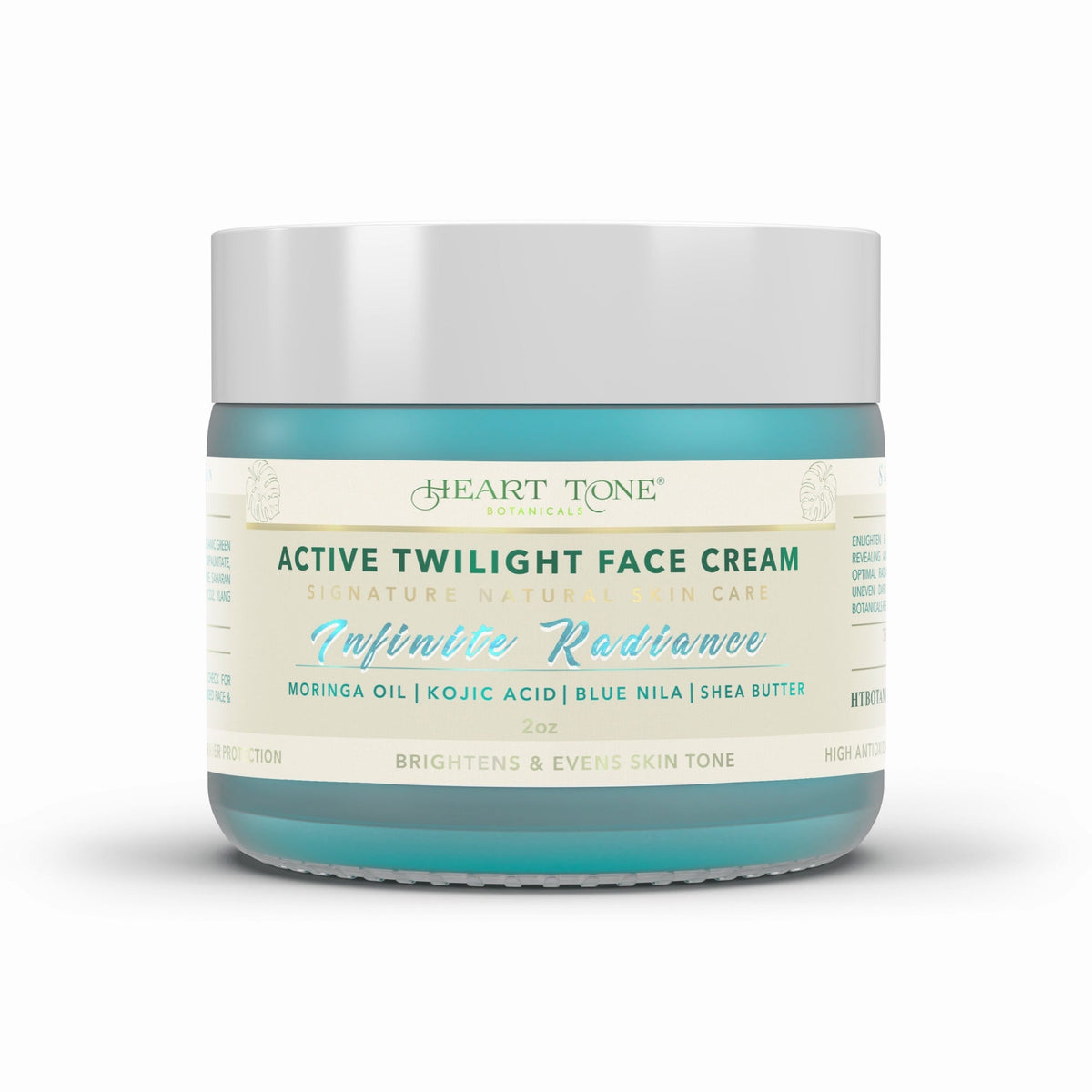
Heart Tone Botanicals builds its facial care line around exactly that order. The Complete Daily Face Moisturizer is a blend of 22 plant oils — including jojoba, moringa, and rosehip — designed for daily sealing-in moisture, while the Active Twilight Face Cream brings a richer shea butter base for nighttime. The Dynamic Hydrogel Face Serum layers in hyaluronic acid and aloe vera leaf juice for the hydration step, and the Island Mist Toning Facial Elixir Hydrosol opens the routine with a rose and orange blossom hydrosol mist. For sensitive or stressed-feeling skin, the lightweight Botanical Skin Gel with aloe vera and allantoin is a gentle option any time of day.
If you'd rather follow the full order already put together, The AM/PM Face System and The Complete Face Ritual bundle the toning, hydrating, and sealing steps so you're not guessing at the sequence. You can also browse the full facial care collection to build your own routine piece by piece.

Leave a comment
This site is protected by hCaptcha and the hCaptcha Privacy Policy and Terms of Service apply.