












The Short Answer: It Feels Good, and the Ritual Has Real Value — Just Keep Your Expectations Honest

Scalp massage shows up constantly in natural hair care conversations, usually with a bold promise attached: do this for five minutes a day and watch your hair grow faster and thicker. That promise is oversold. What scalp massage does reliably offer is something quieter and still worth having — a relaxing, grounding ritual that can make the rest of your hair care routine feel less like a chore and more like something you look forward to.
Here's an honest look at what scalp massage is, what it has a long history of doing, and how to actually build it into a natural hair care routine.
What Is Scalp Massage, Really?
Scalp massage is exactly what it sounds like: using your fingertips (or a scalp massage tool) to apply gentle, circular pressure across the scalp, usually while shampooing, conditioning, or applying a pre-wash oil treatment. It's been part of hair care traditions across many cultures for generations — long before "wellness routine" was a phrase anyone used.
The appeal isn't complicated. Most of us carry tension in our scalp and neck without noticing it, and a few minutes of intentional pressure can feel noticeably relaxing. That alone is a reasonable reason to do it.
What the Research Actually Says (and Doesn't Say)
This is the part most articles skip, so let's be direct about it: the research on scalp massage and hair is limited, small in scale, and mixed in its findings. Some people report their hair feeling fuller or thicker after committing to a regular massage habit over time. Others notice little difference. There is no strong, settled scientific consensus here, and scalp massage should never be treated as a treatment for hair loss, thinning, or any scalp condition — it's a wellness habit, not a medical intervention.
If you're dealing with a scalp concern that's causing you worry, that's a conversation for a dermatologist, not a hair care blog. What we can talk about honestly is what scalp massage offers as part of a normal wash-day routine: relaxation, a moment of mindfulness, and a chance to more evenly work product through to the scalp rather than just the lengths.
How to Do a Scalp Massage the Right Way
You don't need a special tool to get the relaxing benefit, though a silicone scalp massager can make the motion easier to sustain, especially for longer or textured hair.
- Use your fingertips, not your nails. Nails can scratch and irritate the scalp, which defeats the purpose. Pads of the fingers, gentle pressure.
- Work in small circles. Start at the hairline and move back toward the crown, section by section, rather than scrubbing randomly.
- Pair it with your shampoo or conditioner. This is the easiest way to build the habit — you're already touching your scalp during a wash, so extend that motion into a deliberate massage for an extra minute or two.
- Don't rush it, but don't overdo it either. Two to five minutes is plenty. Longer isn't automatically better, and vigorous scrubbing can leave curly or fragile hair more prone to tangling.
Where Scalp Massage Fits Into a Natural Wash Routine
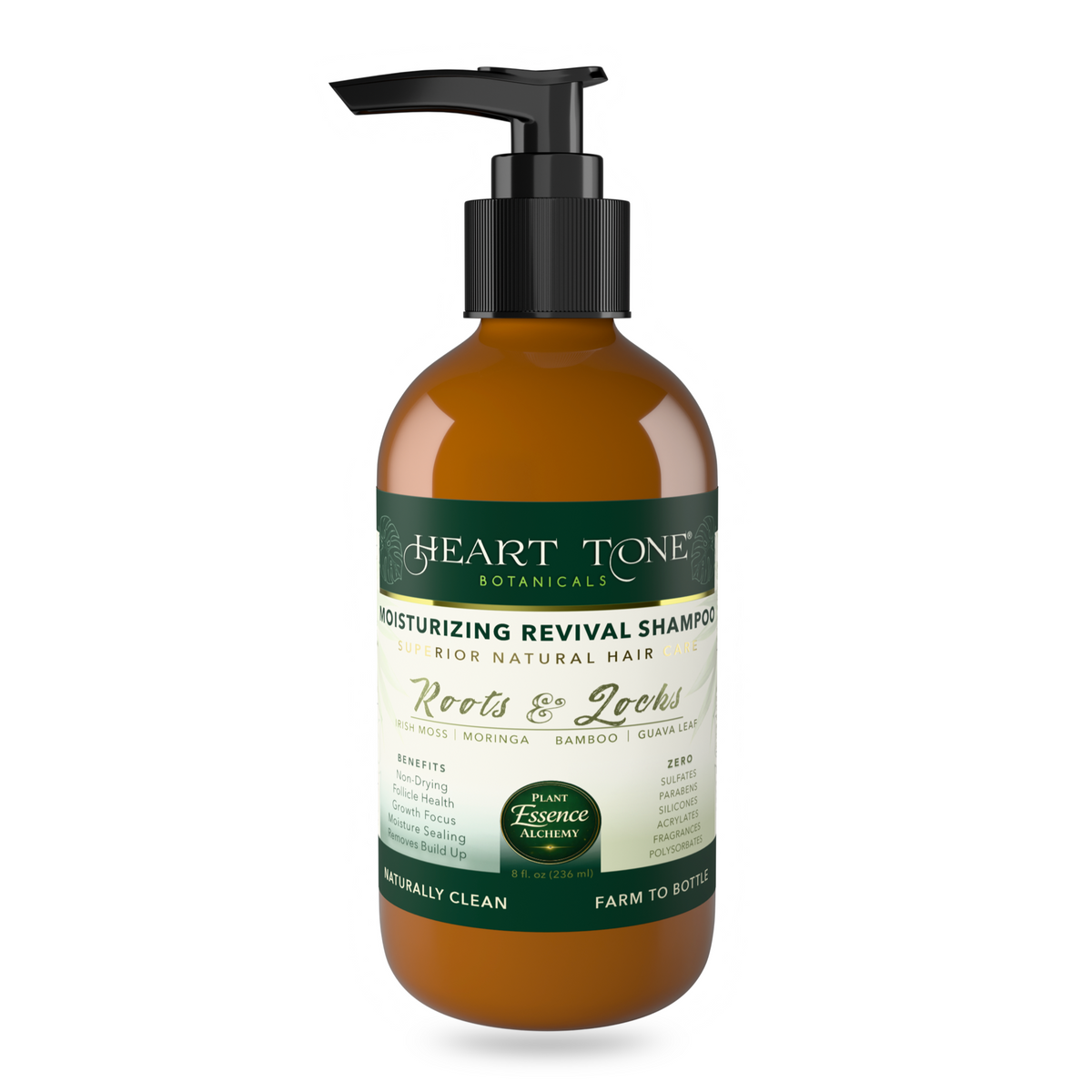
The best time to massage is while a cleanser is already on your scalp — it helps distribute the product evenly instead of concentrating it in one spot, which matters more than people realize for anyone with thick, coily, or longer hair where product can be hard to spread. Working the Roots & Locks Moisturizing Revival Shampoo through with a slow, circular massage rather than a quick scrub-and-rinse gives the botanical blend more contact time and makes the whole wash step feel less rushed.
The same idea applies during conditioning. A minute of gentle massage while the Roots & Locks Moisturizing Revival Conditioner sits on your scalp and lengths can help it feel more thoroughly worked in before you rinse, especially if you're using it as part of a longer conditioning or detangling session.
Neither step is about "activating" an ingredient or accelerating anything beneath the surface — it's simply a more mindful, more thorough way to go through a routine you're already doing.
A Few Things Scalp Massage Won't Do
To keep expectations grounded:
- It won't reverse hair loss or thinning caused by genetics, hormones, or a medical condition.
- It won't make hair grow faster than your hair's natural growth cycle allows.
- It isn't a substitute for a wash routine suited to your scalp's actual needs — buildup, dryness, or irritation should be addressed with the right cleansing frequency and products, not massage alone.
- It won't undo damage from over-processing, heat styling, or harsh brushing.
What it can do is make the time you already spend on your hair feel more relaxing and more deliberate — which, for a lot of people, is reason enough to keep doing it.
The Bottom Line
Scalp massage is a low-effort, low-risk addition to a natural hair care routine. Skip the versions of this advice that promise dramatic growth results, and instead approach it for what it reliably is: a few relaxing minutes built into wash day that can help you work your shampoo and conditioner through more evenly. Pair it with a botanical formula you actually enjoy using, and it becomes a routine you'll stick with — which matters more for the long-term condition of your hair than any single technique.
Explore the full Heart Tone Botanicals hair care collection to build a wash-day routine worth taking a few extra minutes over.

Leave a comment
This site is protected by hCaptcha and the hCaptcha Privacy Policy and Terms of Service apply.