

You've seen the label. "Paraben-free." It's on deodorants, shampoos, moisturizers, and soaps — printed like a badge of honor. But most of us don't actually know what parabens are, why so many people are choosing to avoid them, or what it means for a product to be formulated without them.

This guide gives you the straight story — no scare tactics, no oversimplification — so you can make an informed choice for yourself and your family.
What Are Parabens in Cosmetics?
Parabens are a family of synthetic preservatives used in personal care products since the 1950s. Their job is straightforward: prevent mold, bacteria, and yeast from growing in water-based formulas. Any product that contains water — lotions, shampoos, face wash, conditioner, makeup — is vulnerable to microbial contamination, and parabens are one of the cheapest and most effective ways to prevent it.
The most common parabens you'll find on ingredient labels are:
- Methylparaben
- Ethylparaben
- Propylparaben
- Butylparaben
They're listed near the end of INCI ingredient lists (the standardized names required by the FDA), which makes sense — they're used in small amounts, typically under 1% of a formula.
Why Do People Want to Avoid Parabens?
The concern began gaining serious traction after a 2004 study found intact paraben molecules in breast tumor tissue. The finding sent shockwaves through the beauty industry and sparked a wave of "paraben-free" product reformulations that continues today.
That original study didn't prove parabens cause breast cancer — the researcher herself later walked back the implication — but it raised a deeper question: if parabens can penetrate the skin and accumulate in tissue, what does long-term exposure look like?
The core concern isn't acute toxicity. At the concentrations used in cosmetics, parabens are considered low toxicity by the FDA and the EU's Scientific Committee on Consumer Safety (SCCS). The concern is that parabens are weak endocrine disruptors: they can bind to estrogen receptors and mimic estrogen activity in the body.
Their estrogenic potency is thousands to millions of times weaker than natural estrogen, and the science hasn't established clear causal harm from cosmetic use alone. But several things give careful consumers pause:
- Cumulative exposure: Cosmetic safety limits are set per product, not per person using many products daily. The average adult uses 9–12 personal care products every day. If several of them contain parabens, low-level exposure becomes near-continuous.
- Longer-chain parabens: Propyl- and butylparaben are more estrogenically active than methyl- and ethylparaben. The EU actually lowered the allowed concentration of propyl- and butylparaben as a precautionary measure.
- Special populations: Pregnant women, infants, and people with hormone-sensitive conditions are often advised to take a more cautious approach, even when regulatory bodies call the risk low for the general population.
- Skin reactions: A small percentage of people — particularly those with eczema or sensitive skin — experience allergic contact dermatitis from parabens. If you've ever noticed unexplained redness or irritation from a lotion or shampoo, parabens may have been a factor.
The honest answer is: for most healthy adults using a few paraben-containing products, current evidence doesn't show a strong causal risk. But if you prefer a precautionary approach — especially with leave-on products that stay on your skin all day — that choice is scientifically reasonable, not paranoia.
How to Read a Label for Parabens
Parabens are always listed by their INCI name, which ends in "-paraben." Scan the ingredient list for:
- Methylparaben
- Ethylparaben
- Propylparaben
- Butylparaben
- Isobutylparaben
- Isopropylparaben
If none of those appear, the product is paraben-free — whether it says so on the front label or not. Some brands make the paraben-free claim prominently; others simply formulate without them and list the alternatives (like phenoxyethanol, sodium benzoate, or natural preservatives like rosemary extract) without fanfare.
One important note: "paraben-free" doesn't automatically mean safer. A product can be paraben-free and still contain synthetic fragrances, PEGs, phthalates, or other ingredients that raise similar questions. Always read the full list — not just the marketing badge.
What Are the Alternatives?
Preservatives exist for a reason. A product without them can grow dangerous mold and bacteria in days — especially once you introduce water from your hands, a wet bathroom counter, or humidity. The goal isn't "no preservatives" — it's better-understood preservatives or formulation strategies that reduce the need for synthetic ones.

Common paraben alternatives include:
- Phenoxyethanol: A widely used synthetic preservative considered safe by most regulatory bodies at concentrations under 1%. Not natural, but generally well-tolerated.
- Sodium benzoate + potassium sorbate: A combination used in many natural formulas. Both are derived from natural acids and are generally regarded as safe.
- Vitamin E (tocopherol): An antioxidant that slows oxidative degradation, though it's not a broad antimicrobial preservative on its own.
- Rosemary extract / plant-derived antioxidants: Can extend shelf life when combined with other preservation strategies.
- Anhydrous (water-free) formulas: The simplest solution — no water, no microbial growth risk. Products like solid soaps, oil serums, body butters, and dry powders naturally need less preservation.
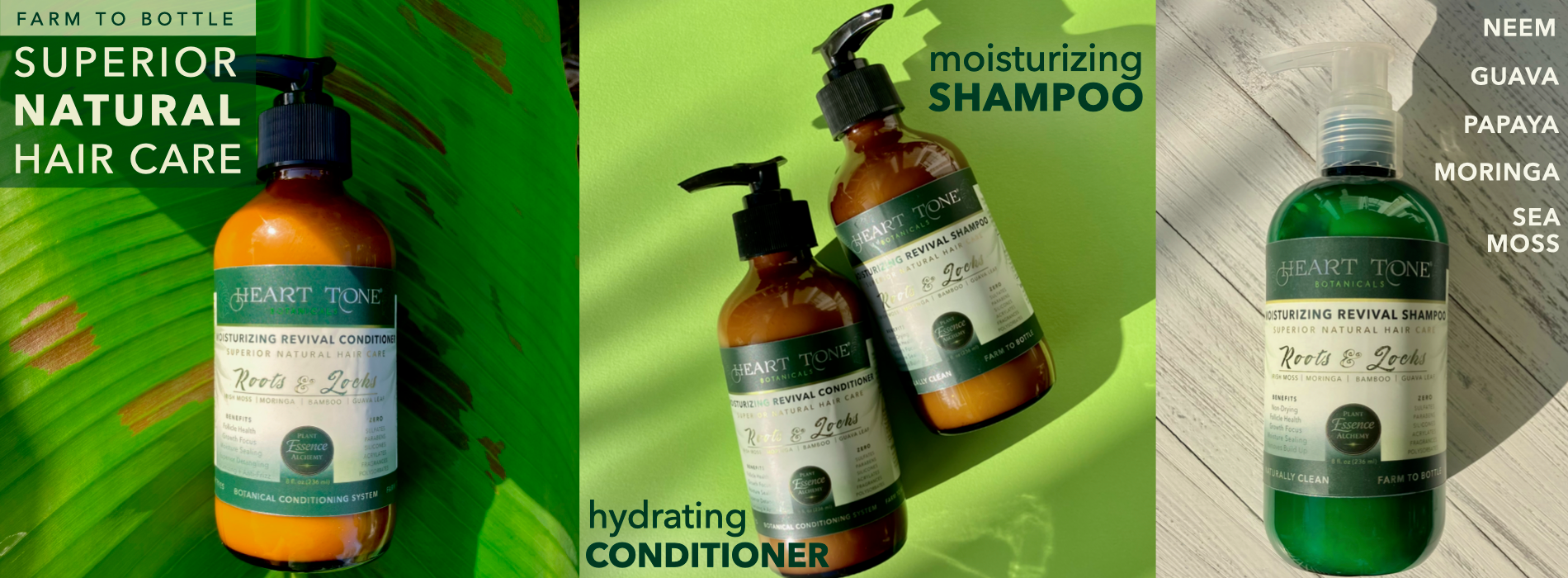
At Heart Tone Botanicals, we lean heavily into that last category. When JD formulates on his farm in Vero Beach, Florida, the philosophy isn't "substitute one synthetic for another" — it's to build products around plant-based bioactive ingredients that are inherently stable, minimizing the need for synthetic preservation systems altogether.
Which HTB Products Are Formulated Without Parabens?
Every Heart Tone Botanicals product is formulated without parabens. When you pick up a bottle or bar from our line, you're getting plant-first formulas built around ingredients from JD's farm and trusted botanical sources — not a chemistry lab trying to extend shelf life at the lowest cost.
A few standouts for skin and body care:
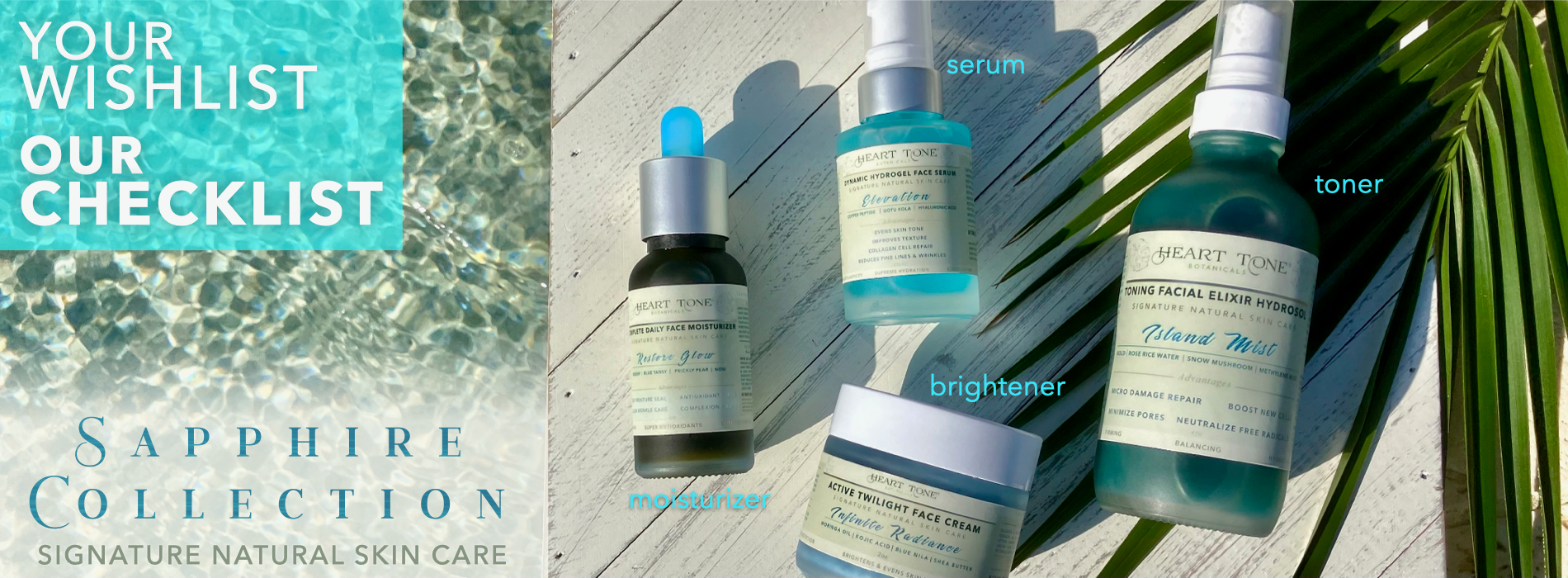
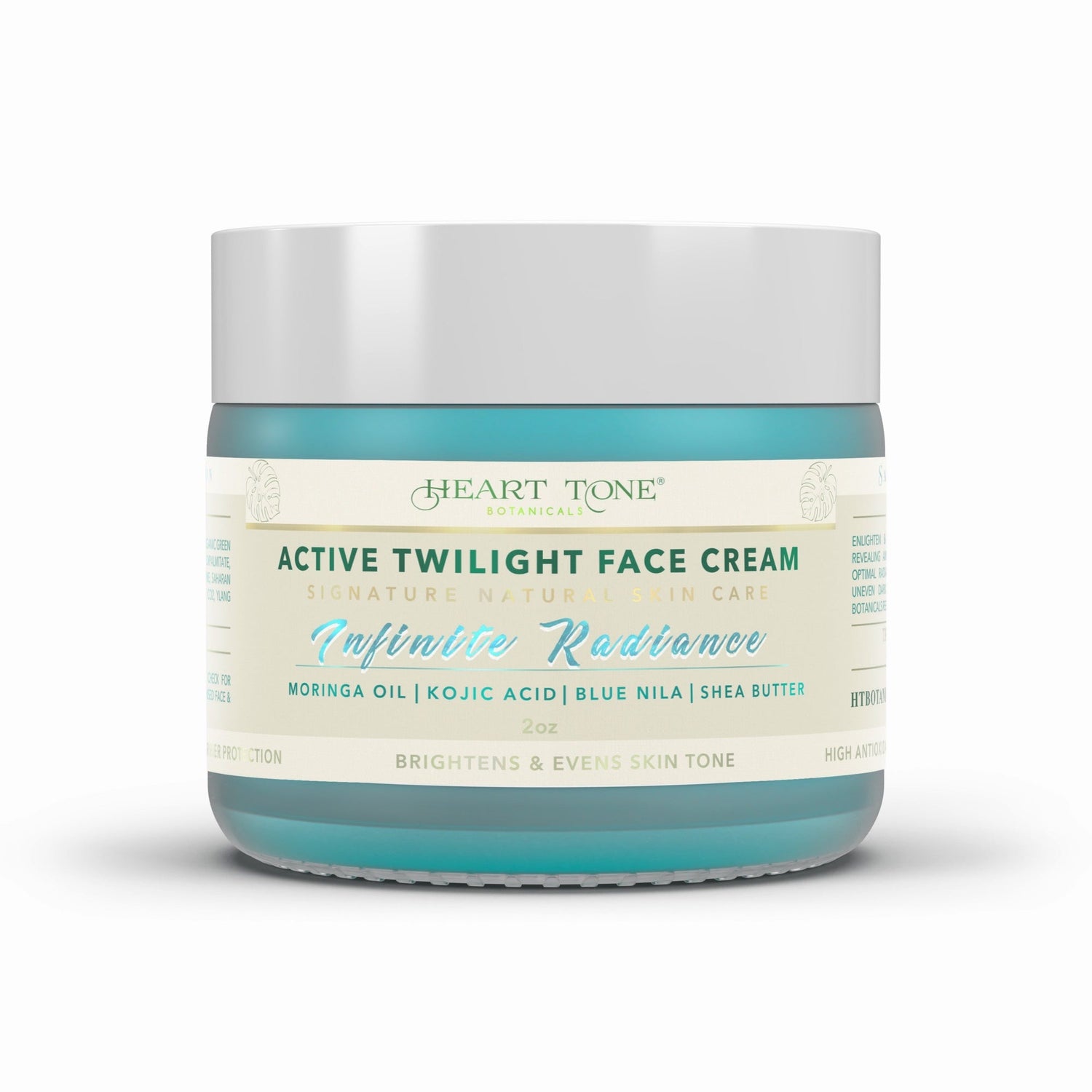
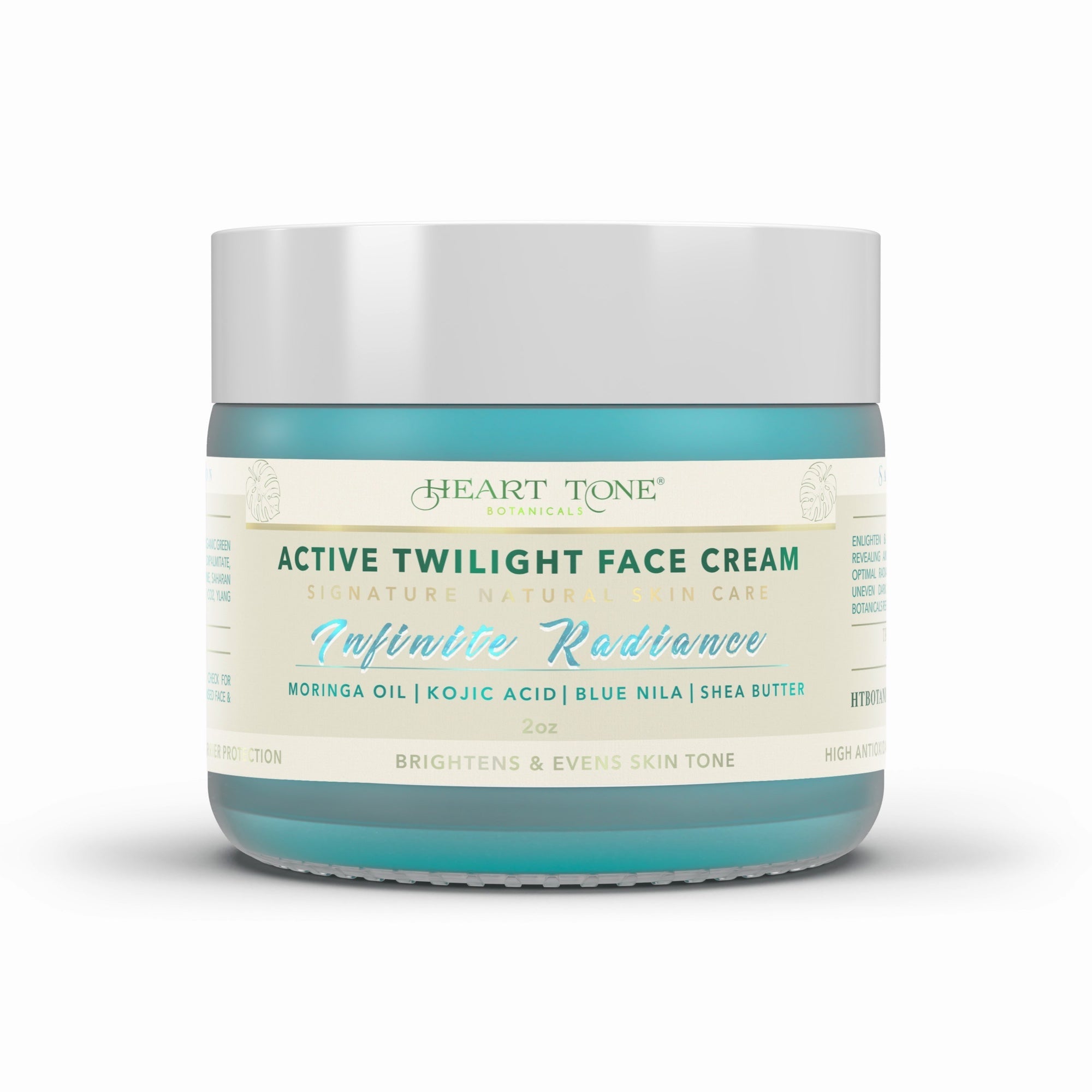
- Active Twilight Face Cream — A rich, botanically-active night cream with no synthetic preservatives. Formulated around farm-grown botanicals and skin-nourishing plant oils.
- Complete Daily Face Moisturizer — Lightweight daily hydration with clean, transparent ingredients. Nothing you can't pronounce, nothing you'd need to Google.
- Botanical Renew Body Butter — A water-free body butter that doesn't need synthetic preservatives because it doesn't contain water. Rich in botanical lipids, naturally shelf-stable.
- Ancient Organic Bar Soaps — Solid, handcrafted bar soaps with short, clean ingredient lists. No water, no parabens, no synthetic fragrance.
Browse the full Heart Tone Botanicals collection — everything is labeled transparently so you can read every ingredient before you buy.
The Bigger Picture: Ingredient Transparency as a Standard
The paraben conversation is really about something larger: the right of consumers to know what's in their products and to make informed choices about what they put on their bodies daily.
For decades, "safe enough" was the industry standard. Regulatory approval at cosmetic concentrations was the bar, and brands didn't have to explain much beyond that. But the clean beauty movement — whatever you think of the term — has pushed the conversation toward something healthier: brands being transparent about what they use, why they use it, and what they choose not to.
You don't have to believe that parabens at trace cosmetic concentrations are secretly destroying your health to prefer products made without them. You can simply prefer the peace of mind of knowing exactly what you're applying, every day, for years.
That's what transparency looks like. And it's what every label from Heart Tone Botanicals is built on — JD's ingredients come from the ground, not from a list of approved synthetics, and that difference is worth knowing.
The Bottom Line
Parabens are not the scariest ingredient in your bathroom cabinet. The evidence that they cause direct harm at cosmetic concentrations is weak. But the questions around cumulative exposure, endocrine disruption, and special populations are real — and "regulatory approval" and "the safest possible option" are not always the same thing.
Choosing paraben-free products is a legitimate, science-informed decision. So is understanding what preservative alternatives a brand is using instead.
At Heart Tone Botanicals, the answer starts with how we formulate: plant-based, small-batch, farm-grown, and built to be as clean as the ingredients themselves. Explore our full collection and read every label — we think you'll like what you find.

Leave a comment
This site is protected by hCaptcha and the hCaptcha Privacy Policy and Terms of Service apply.