

Walk into any beauty store today and you'll find an entire wall dedicated to face oils. Rosehip, argan, jojoba, squalane, marula — the options are endless, and so is the confusion. Do you actually need a face oil? Will it clog your pores? What if you already have oily skin? And how does it fit into your existing routine?

The short answer: natural face oils can be genuinely transformative for your skin — but only when you choose the right one for your skin type and use it correctly. Let's break down exactly what botanical oils do, what they don't do, and how to get the most out of them.
What a Face Oil Actually Does (And Doesn't Do)
Here's a nuance most skincare brands skip over: face oil does not hydrate your skin in the same way a moisturizer does.
Hydration means water. Oils are, by definition, water-free. What a good natural face oil does is act as an emollient and occlusive — it softens skin, reinforces the lipid barrier, and helps your skin retain the water it already has. When you layer a face oil over a hydrating moisturizer or serum, you're essentially sealing in all that moisture and adding a rich layer of skin-nourishing fatty acids, antioxidants, and vitamins on top.
Think of it this way: your moisturizer is the drink of water. Your face oil is the warm blanket that keeps you from losing it.
For those struggling with dryness, flakiness, or a compromised skin barrier, this distinction matters enormously. A face oil alone won't solve chronic dryness — but the right oil, layered over a solid moisturizer, can dramatically change your skin's comfort, glow, and resilience.
The Best Natural Face Oils by Skin Type
Dry or Mature Skin
If your skin regularly feels tight, rough, or looks dull, you're likely dealing with a disrupted lipid barrier and inadequate occlusion. Richer botanical oils with high oleic acid content are your best friend here:
- Argan oil – Rich in vitamin E and oleic acid; supports elasticity and softness
- Rosehip oil – High in vitamin A precursors; helps fade pigmentation and fine lines
- Marula oil – Dense nourishment for dehydrated skin; absorbs without greasiness
- Sweet almond oil – Gentle, deeply hydrating, ideal for sensitive or eczema-prone dry skin
For dry skin, the routine is simple: hydrate first, then lock it in. Apply your moisturizer while skin is still slightly damp from toner or mist, then press 2–4 drops of oil over the top. Night is the ideal time — your skin does most of its repair work while you sleep, and a richer oil gives it the nutrients to do that well.
Oily or Acne-Prone Skin
This is where most people make a wrong turn: assuming that because they have oily skin, they should avoid all face oils. In reality, the right botanical oil can actually help regulate sebum production.
When skin is dehydrated (lacking water) or stripped by harsh cleansers, it compensates by producing more oil. A lightweight, non-comedogenic botanical oil signals to your skin that its lipid barrier is intact — and overproduction often slows down as a result.
The key is choosing wisely:
- Jojoba oil – Technically a liquid wax that closely mimics human sebum; non-comedogenic and sebum-regulating
- Squalane – Ultra-lightweight, non-greasy, suitable for even very oily skin
- Grapeseed oil – Light, linoleic-acid-rich, appropriate for oily and combination types
Start with just 1–2 drops applied at the end of your PM routine, and give your skin 2–3 weeks to adjust before judging results. If your skin feels congested or you notice new breakouts, step back and try a different oil.
Combination Skin
Combination skin is the most common type and the trickiest to navigate with face oils. The goal here is balance: hydrating drier cheek areas without overwhelming the T-zone.
Jojoba is the gold standard for combination skin because of its sebum-mimicking properties. Alternatively, a lightweight blend formulated specifically for balance — something that combines a linoleic-rich base with barrier-supporting botanicals — can work beautifully.
Application tip: consider applying oil only to the drier areas of your face rather than all over. Cheeks, the delicate under-eye area, and the outer forehead are prime zones. Skip the nose and central forehead if those areas run oily.
Sensitive Skin
For sensitive skin that reacts to fragrance, alcohol, or harsh actives, a simple botanical oil can actually be one of the most skin-compatible options available. Many traditional moisturizers contain stabilizers, preservatives, and fragrances that cause reactivity — pure cold-pressed plant oils sidestep most of those concerns entirely.
The most gentle options for reactive skin:

- Chamomile-infused oils – Anti-inflammatory and calming
- Sea buckthorn – Rich in carotenoids and omega-7 for barrier repair
- Calendula oil – Excellent for redness-prone and easily irritated skin
- Jojoba – Remains among the least reactive of all face oils
If you're highly reactive, patch test on your inner arm for 48 hours before applying to your face. Even natural oils can cause reactions in some individuals, particularly those with nut allergies (avoid almond, macadamia, hazelnut).
How to Layer Face Oil in Your Routine
The order matters more than most people realize. A simple rule: thinnest to thickest, water-based before oil-based.
- Cleanse — remove makeup, sunscreen, and the day's buildup
- Tone or mist — rebalance pH and add a first layer of hydration while skin is still damp
- Serum — targeted actives (vitamin C, botanical hyaluronic, peptides) go in while skin is receptive
- Moisturizer — water-based hydration and barrier support form the foundation
- Face oil — applied last, pressed gently into skin; seals everything in and adds nourishment
If you apply face oil before your water-based moisturizer, you create a lipid barrier that the moisturizer can't penetrate — you'll get the feel of moisture without the actual delivery. This is a common and fixable mistake.
Where HTB's Botanical Formulas Fit In
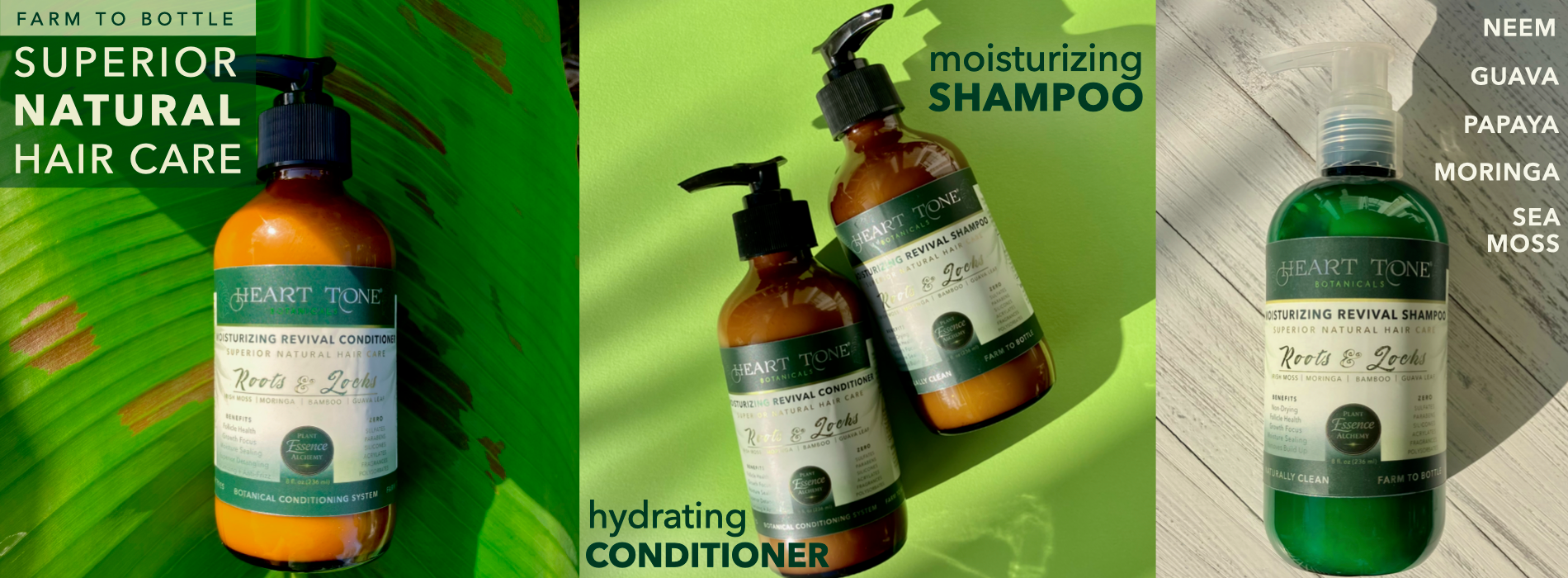
Heart Tone Botanicals approaches facial care the way it approaches everything: start with what the plant actually contains, skip what the skin doesn't need, and let the farm-sourced ingredients do the work.
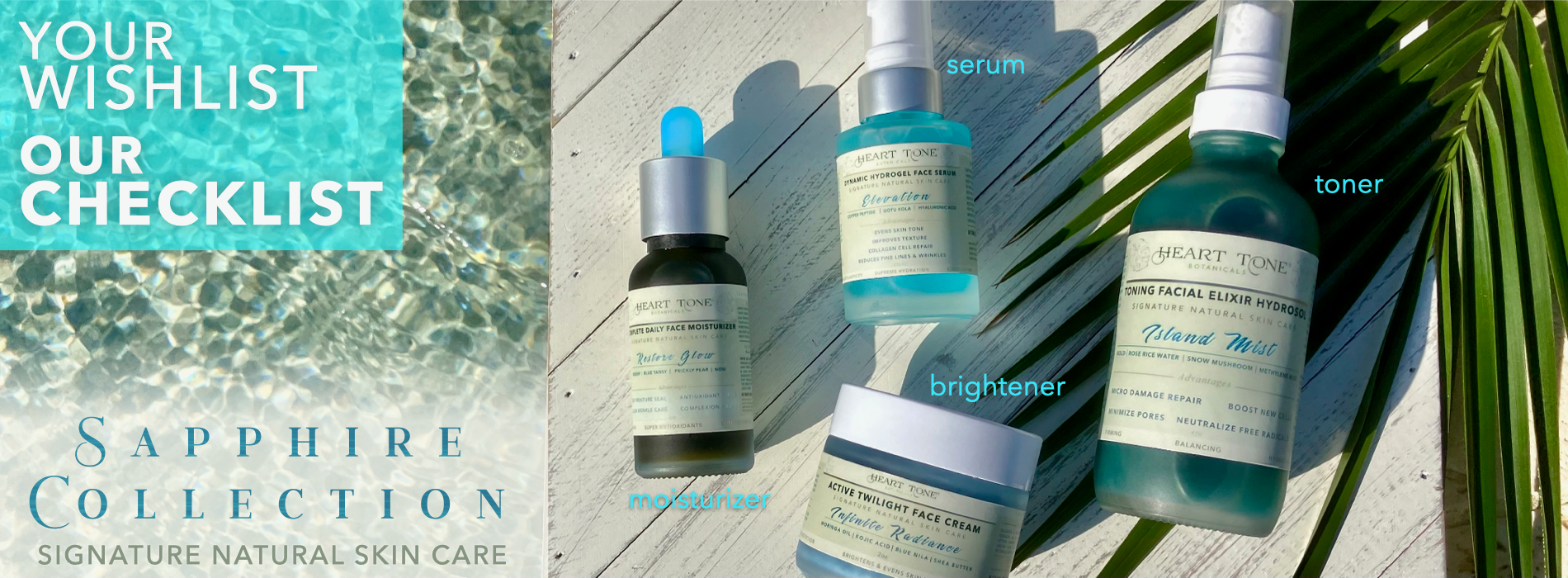
The Botanical Skin Gel functions as a lightweight serum-gel — appropriate in the middle layers of your routine, before heavier products. It works beautifully as a base that primes skin for oil-sealing at the end.
The Dynamic Hydrogel Face Serum delivers water-phase botanicals and hydration — exactly the kind of layer that a face oil works best to lock in. Apply the serum, let it absorb, then follow with oil if your skin calls for it.
For a complete moisture-sealing routine, the Complete Daily Face Moisturizer offers a full water-oil emulsion that's appropriate for all skin types — and it works as both a standalone moisturizer and an excellent base for layering a face oil on top if you want deeper nourishment or protection in dry weather.
The Island Mist Toning Facial Elixir Hydrosol slots in perfectly at step two — a botanical hydrosol mist that primes skin to receive everything that follows, including your face oil. Misting before oil application is one of the most underrated techniques for maximizing how much moisture actually stays in your skin.
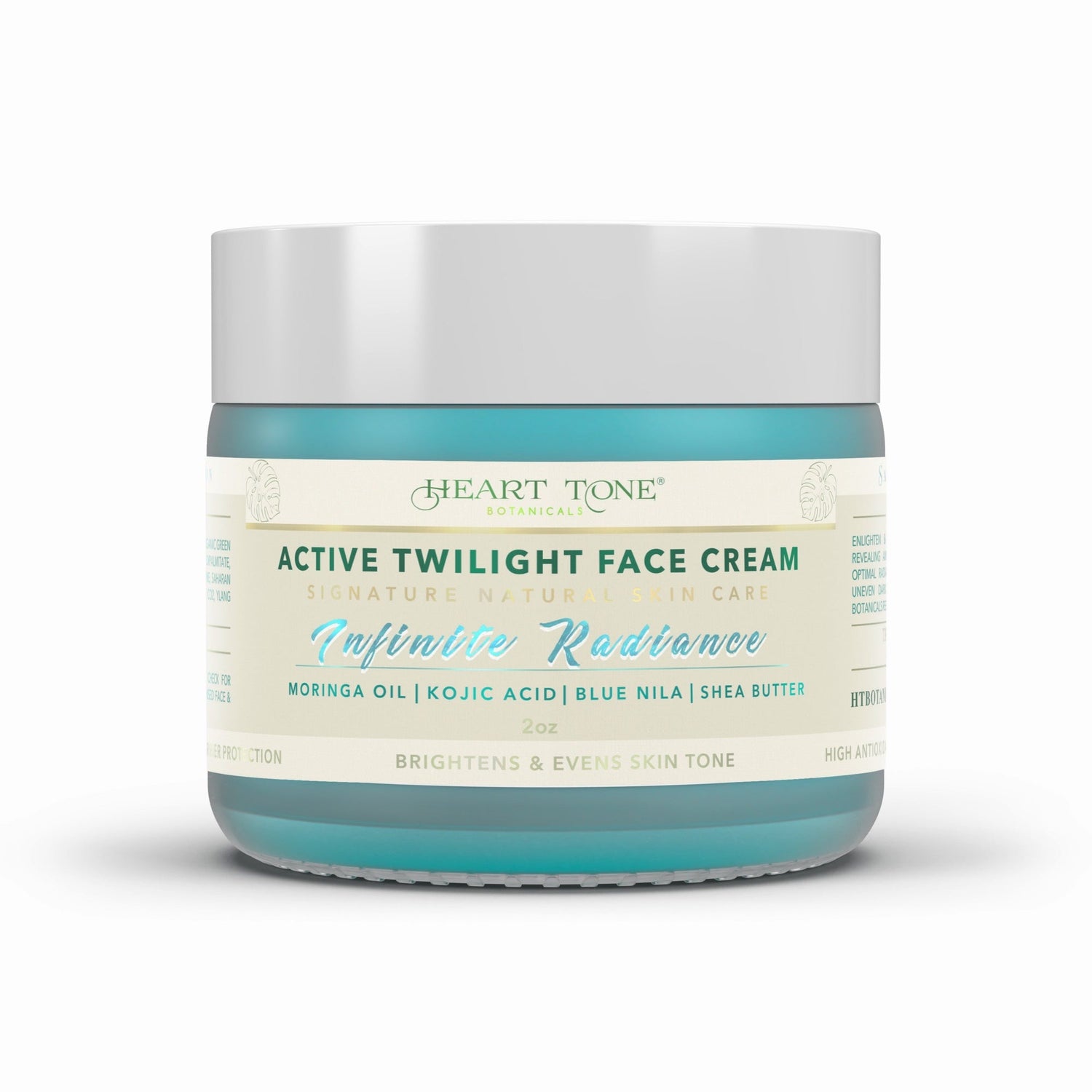
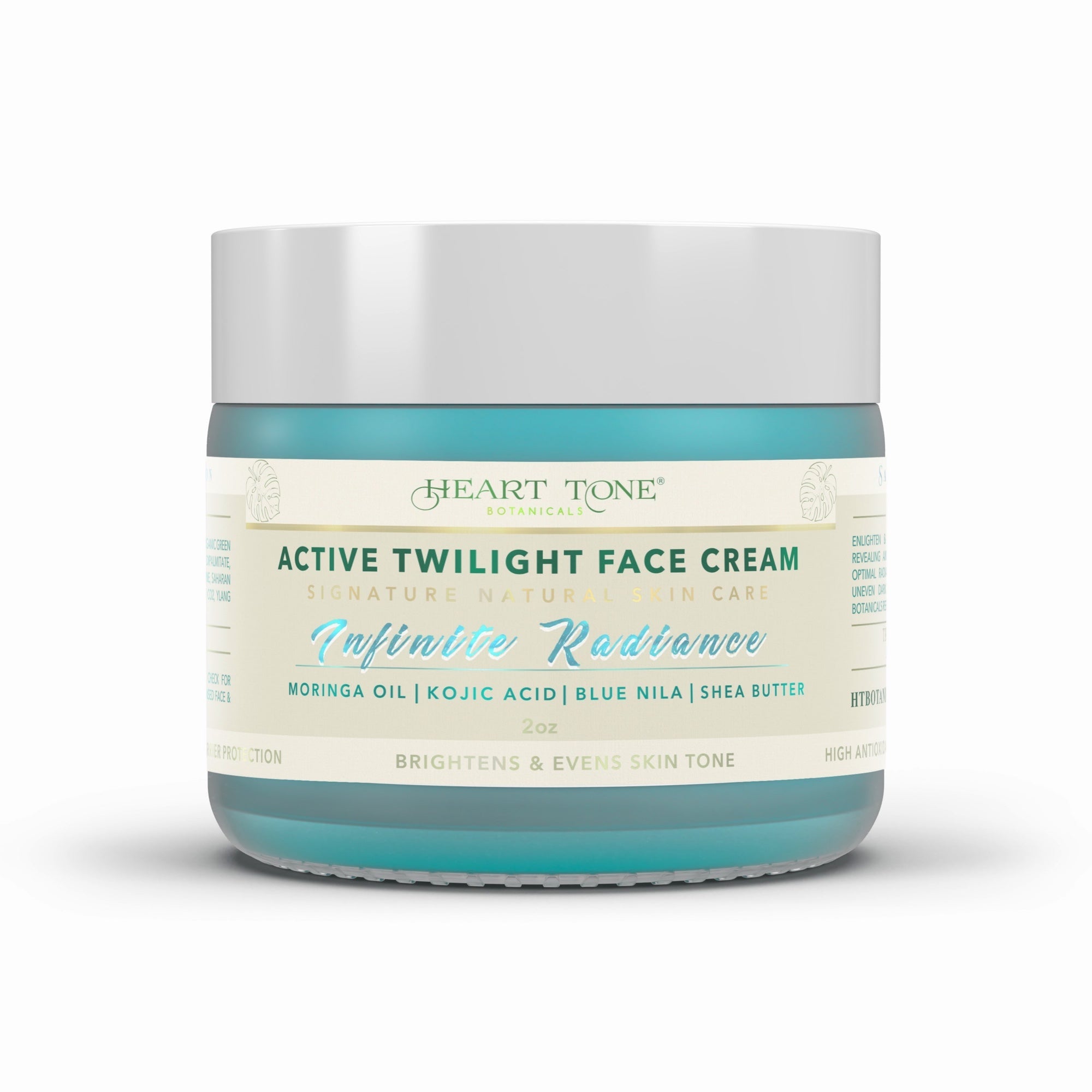
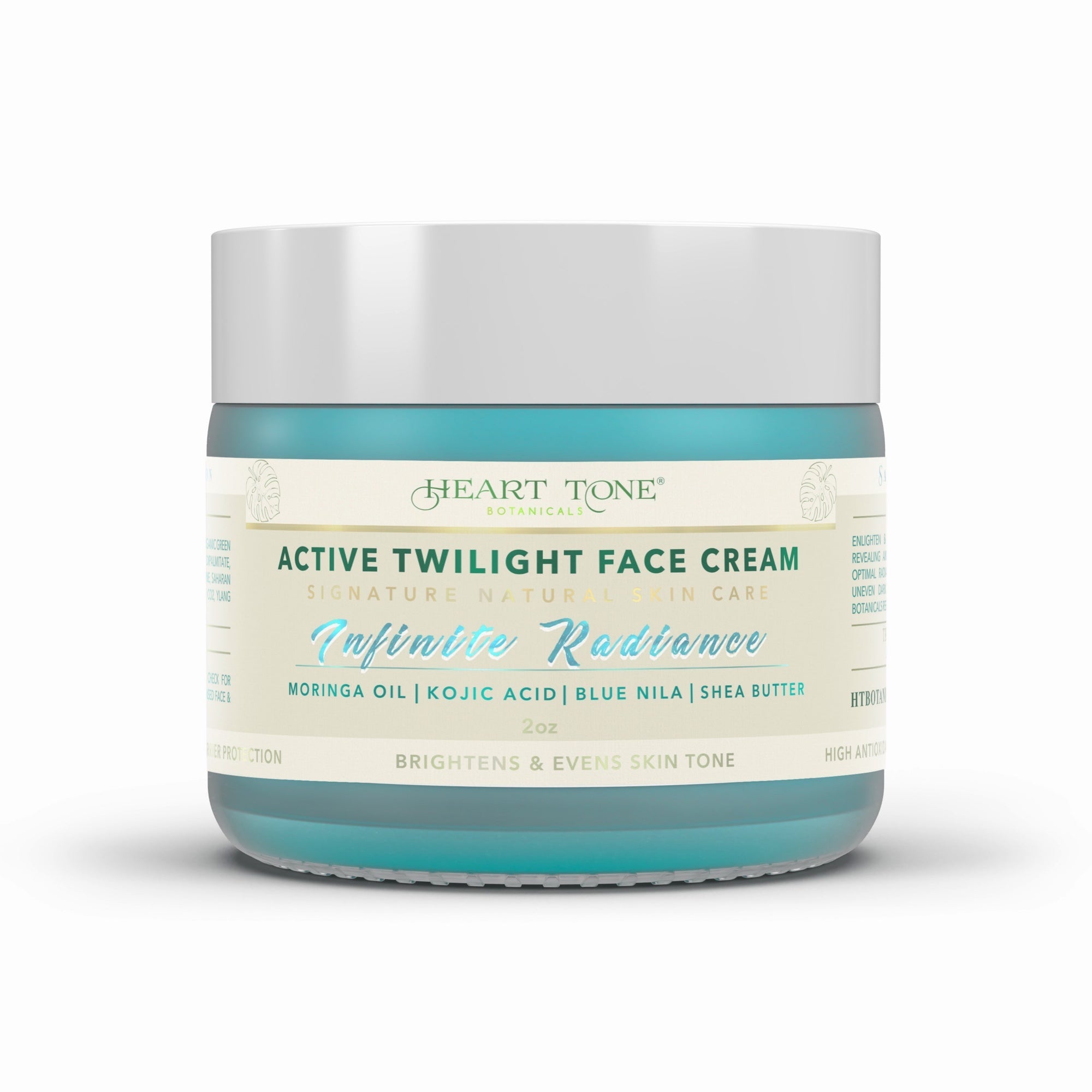
For nighttime deeper repair, the Active Twilight Face Cream already incorporates richer botanical elements designed to work with your skin's overnight renewal cycle — layer it with a face oil for the full benefit, or use it as a standalone when simplicity is the goal.
See the full facial care range at Heart Tone Botanicals Facial Care.
Signs You Might Need to Add a Face Oil to Your Routine
Not everyone needs a face oil, but these are the clearest signs your skin might benefit from one:
- Your skin feels tight or uncomfortable even after moisturizing
- Your skin looks dull or flat rather than dewy and healthy
- You live in a dry climate or travel frequently to low-humidity environments
- Your skin reacts to a lot of conventional moisturizers (simple oils have fewer ingredients to react to)
- You're dealing with early signs of aging like fine lines or loss of plumpness
- You're in winter or transitioning between seasons when barrier integrity matters most
Signs a Face Oil May Not Be Right for You Right Now
- You have active, inflammatory acne (address the active breakouts first before adding oils)
- You're using strong prescription retinoids (ask your dermatologist about layering)
- You have an identified contact allergy to a specific botanical ingredient
One More Thing: Not All Oils Are Created Equal
The difference between a cold-pressed, unrefined botanical oil and a cheap refined version of the same oil is enormous. Refining removes color, odor — and along with them, many of the bioactive compounds that make the oil valuable in the first place.
When you see terms like cold-pressed, unrefined, virgin, or single-origin, that's meaningful language. It signals that the oil retains its full complement of fatty acids, tocopherols, and phytosterols — the things that actually benefit your skin.
It's also a reason why farm-sourced botanical formulas — where the full spectrum of the plant is preserved from harvest through formulation — deliver results that commodity skincare can't replicate.
Your skin is worth the real thing.
Explore the complete Heart Tone Botanicals Facial Care collection to find what your skin actually needs.

Leave a comment
This site is protected by hCaptcha and the hCaptcha Privacy Policy and Terms of Service apply.