

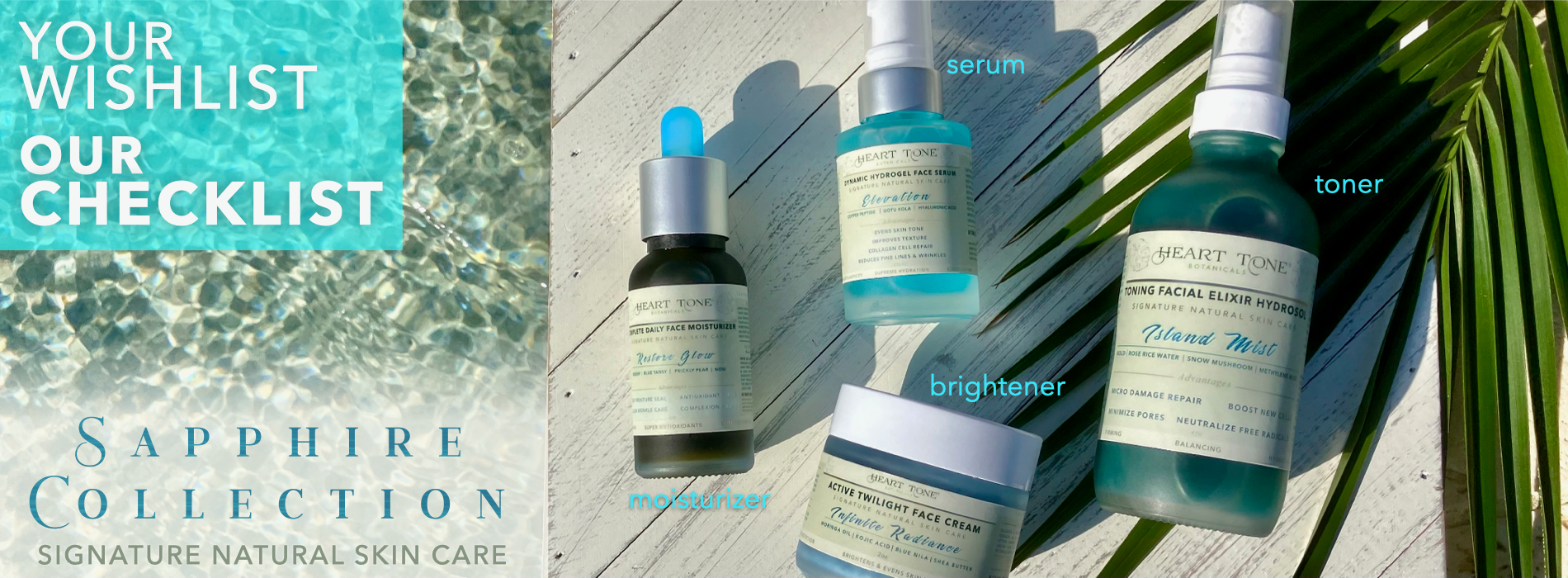
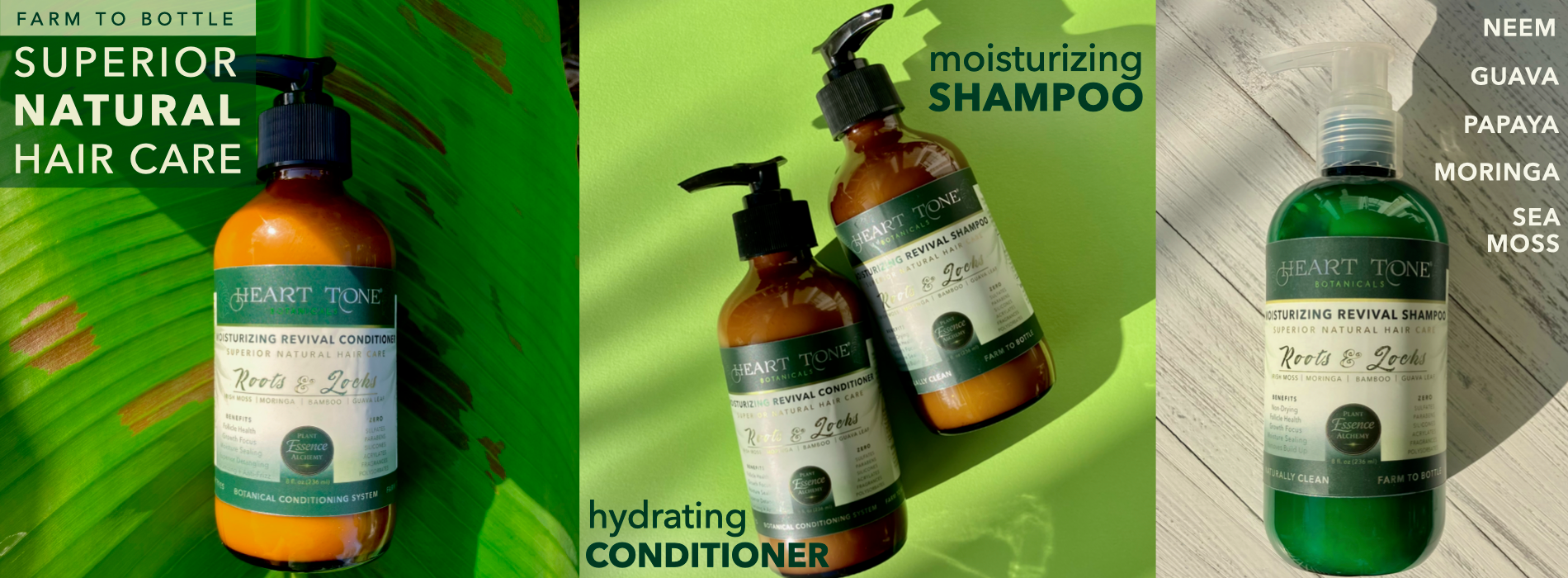

Pure certified organic vegetable glycerin — the difference starts at the source.
Glycerin is in almost every toothpaste on the shelf — natural or conventional. It's what keeps the paste moist, gives it that smooth texture, and adds a subtle sweetness without sugar. Most people never think twice about it.
But there's a question worth asking: where did that glycerin come from, and what was used to make it?
The answer has everything to do with why Heart Tone Botanicals uses only certified organic vegetable glycerin in Living Crystal Toothpaste — and why we think that distinction matters more than most brands let on.
What Is Glycerin, and Where Does It Come From?
Glycerin (also called glycerol) is a naturally occurring compound found in all plant and animal fats. In its pure form it's completely benign — a simple, three-carbon molecule that attracts and holds moisture. That's why it shows up in toothpaste, skincare, and food.
The issue isn't glycerin itself. It's the pathway from raw material to finished ingredient.
There are three main sources of commercial glycerin:
1. Plant oils (vegetable glycerin) — Extracted as a co-product of soap-making (saponification) or biodiesel production from oils like coconut, palm, or soybean. This is where most "natural" glycerin comes from.
2. Animal fats — A byproduct of the rendering process. Less common in personal care today, but not always disclosed on labels.
3. Synthetic (petrochemical) glycerin — Made from propylene, a petroleum byproduct, through a chemical synthesis process. Cheaper to produce at scale, and legally permitted in many conventional cosmetics and personal care products.
Most brands don't tell you which type they use — and they don't have to.
The Processing Problem Conventional Brands Don't Talk About
Even when glycerin starts from a plant source, the refining process often involves a lineup of industrial chemicals designed to strip it down to a clear, odorless liquid:
- Methanol — used as a catalyst in biodiesel transesterification, and a known toxin
- Sulfuric or hydrochloric acid — used for splitting fats during hydrolysis
- Activated charcoal and bleaching agents — to decolorize and deodorize the raw glycerin
- Ion exchange resins and filter aids — for further purification
The argument from conventional manufacturers is that these processing chemicals are removed during final distillation, and that the finished glycerin meets USP (pharmaceutical grade) purity specs regardless of how it was made.
That argument isn't wrong. Properly refined glycerin can pass purity tests whether it came from soybeans or a petroleum refinery.
But "passes a purity test" and "was made without industrial chemical processing" are two different things. One tells you the end product met a minimum standard. The other tells you something about the entire lifecycle of that ingredient — and what kind of supply chain you're trusting when you put something in your mouth twice a day.
What Certified Organic Glycerin Actually Means
Certified organic glycerin isn't just "plant-derived." Organic certification — through USDA Organic, COSMOS, or Ecocert — sets specific rules for the entire supply chain:
- The source oils must come from certified organic agriculture (no synthetic pesticides, herbicides, or GMO crops)
- Processing must use only permitted inputs — no synthetic solvents, no petroleum-derived processing aids
- The facility and supply chain are audited to verify compliance, not just the finished ingredient
- Traceability is documented back to the farm
That last point matters. With conventional glycerin, a supplier certificate might tell you the final purity. With certified organic glycerin, the documentation traces the ingredient from farm to facility. That's a different level of transparency — and a higher bar.
Why It Matters in a Toothpaste Specifically
Your toothpaste is not a rinse-off product. You use it twice a day, every day, and you're brushing it against soft oral tissue — gums, cheeks, the tissue under your tongue — for two minutes at a time before spitting, not rinsing until the sink.
That daily contact is exactly why ingredient sourcing in oral care deserves more scrutiny than most people give it. You wouldn't choose a cooking oil based purely on its final purity test without caring where it came from. The same logic applies to what goes in your toothpaste.
When we formulated Living Crystal, we made the decision that certified organic vegetable glycerin was worth the added cost and sourcing complexity. Not because conventional glycerin is dangerous — properly refined glycerin of any source is generally safe. But because when you're formulating a product built around clean, botanical ingredients, the sourcing of every component should match that commitment.
The Bigger Picture: Processing Chemistry and Clean Beauty
The glycerin question is a window into a broader issue in the "natural" personal care space: processing chemistry is largely invisible.
A product can be marketed as "natural," "plant-based," or even "green" while using ingredients that were processed with synthetic solvents, petrochemical catalysts, or bleaching agents — as long as those processing aids were removed before the ingredient was sold. Current labeling rules in the US don't require disclosure of processing aids, only final ingredients.
This is why certification matters more than marketing language. "Natural" is a word. "Certified organic" is a standard with audited documentation behind it.
At Heart Tone Botanicals, we use certified organic glycerin because the certification is the only way to verify the whole story — not just the part that ended up in the jar.
What to Look For on Labels
If you want to know whether your toothpaste uses a cleaner glycerin source, here's what to look for:
- "Certified organic glycerin" or "organic vegetable glycerin" on the ingredient list — ideally with a certification seal on the package
- A USDA Organic or COSMOS/Ecocert certified product claim, which requires that a meaningful percentage of the formula meet organic standards
- Transparency about sourcing — brands that disclose their supplier certifications are the ones with something to back up their claims
What doesn't tell you much on its own: "vegetable glycerin," "plant-based glycerin," or "natural glycerin." These describe the feedstock category, not the processing pathway or certification status.
The Bottom Line
Not all glycerin is the same — not in where it comes from, not in how it's made, and not in what that means for the kind of product it ends up in.
Certified organic glycerin costs more. It requires more documentation. The supply chain is more complicated to manage. We do it anyway because it's consistent with why Heart Tone Botanicals exists in the first place: to make products where every ingredient earns its place, from the farm to the formula.
Your toothpaste touches your mouth more than almost any other product in your life. It should be made with that in mind.
Living Crystal Toothpaste uses certified organic vegetable glycerin along with nano-hydroxyapatite, theobromine, colloidal silver, and a full botanical formula — all in a low-RDA (35), fluoride-free formula designed for daily use.

Leave a comment
This site is protected by hCaptcha and the hCaptcha Privacy Policy and Terms of Service apply.