

There's a quiet shift happening in the way people talk about skincare. The phrase "anti-aging" — once the rallying cry of the cosmetics industry — is giving way to something more honest: skin longevity. It's not just a semantic swap. It reflects a deeper change in how we understand what healthy skin actually looks like over time, and what we're willing to put on it to get there.

But here's the question that matters: can plant-based ingredients actually deliver results? Or is "natural anti-aging" just marketing language layered over the same old chemistry?
The answer is yes — plant ingredients genuinely work. But only if the formula is built right. And most aren't.
The Problem with Conventional Anti-Aging Creams
Conventional anti-aging moisturizers lean heavily on a familiar set of ingredients: synthetic retinoids, lab-manufactured peptides, silicone-based emollients, and chemical preservative systems. These ingredients aren't inherently evil — some are well-studied. But they come with real trade-offs.
Retinol, the gold standard of conventional anti-aging, works by accelerating cell turnover. It also causes photosensitivity, peeling, redness, and irritation — especially during the adjustment period that dermatologists cheerfully call "retinol uglies." For those with sensitive or reactive skin, or anyone who doesn't want to redesign their entire routine around a single ingredient, it's a significant cost.
Synthetic peptides are another staple. They're designed to signal the skin to produce collagen or behave in specific ways. The problem is that signaling doesn't mean much if the skin's microenvironment isn't supported — and most synthetic peptide creams sit in a silicone-heavy base that occludes the skin rather than nourishing it.
And then there's the base itself. The base formula — the carrier that everything floats in — constitutes 80–95% of your cream by weight. A product with impressive hero ingredients but a synthetic base is still, in terms of what touches your skin all night, mostly synthetic chemistry. Your skin isn't interacting with the active; it's bathing in the carrier.
What Plant-Based Anti-Aging Ingredients Actually Do
The plant kingdom has been producing complex bioactive chemistry for hundreds of millions of years. Plants protect themselves from UV radiation, oxidative stress, environmental damage, and cellular degradation using the same types of biological processes that govern skin aging. That's not a coincidence — it's why botanical actives can translate meaningfully into skin care when they're properly formulated.
Bakuchiol: The Natural Retinol Alternative That Actually Holds Up
Bakuchiol is derived from the seeds and leaves of the Psoralea corylifolia plant, used for centuries in Ayurvedic medicine. It was long considered a folk ingredient until peer-reviewed research began catching up. A landmark double-blind study published in the British Journal of Dermatology found that bakuchiol performed comparably to retinol in reducing fine lines, wrinkles, and hyperpigmentation — without the irritation, photosensitivity, or peeling.
Bakuchiol doesn't work through the same receptor pathway as retinol, but it produces similar downstream effects: upregulated collagen expression, improved skin texture, and reduced signs of photoaging. For those who want the functional results of retinol without the synthetic chemistry and side effects, bakuchiol is genuinely compelling — not just as a marketing claim, but as demonstrated biology.
Botanical Antioxidants and Plant Polyphenols
Oxidative stress is one of the primary drivers of skin aging. UV exposure, pollution, metabolic processes, and environmental toxins all generate free radicals that damage collagen, degrade elastin, and compromise the skin's ability to repair itself. Antioxidants neutralize these free radicals — and plants are among the richest sources of antioxidant chemistry on the planet.
Plant polyphenols — found in green tea, rosehip, pomegranate, sea buckthorn, and dozens of other botanicals — have been shown to quench free radicals, modulate inflammatory pathways, and support skin barrier function. Unlike isolated synthetic antioxidants, botanical extracts often contain a complex matrix of co-factors that work synergistically, a phenomenon that reductionist chemistry struggles to replicate.
Moringa
Moringa oleifera is an exceptional botanical for skin longevity work. Its leaves and seed oil are dense with oleic acid, behenic acid, and a unique suite of phytonutrients including zeatin — a cytokinin that has been studied for its role in cellular regeneration. Moringa's antioxidant profile is exceptionally high, and its fatty acid composition makes it an excellent emollient that absorbs without heaviness. It doesn't just sit on the skin; it participates in it.
Vitamin C from Botanicals
Vitamin C is among the most well-documented actives for brightening, collagen synthesis, and photoaging reversal. The challenge is stability — ascorbic acid oxidizes quickly, which is why synthetic vitamin C serums have such a short shelf life and often arrive yellow-orange and degraded.
Botanical sources of vitamin C — rosehip seed oil, sea buckthorn, baobab, camu camu, and similar — deliver vitamin C in a more stable, lipid-integrated form alongside cofactors that support its bioavailability. The concentration is different, but the stability and skin compatibility often make botanical vitamin C a more reliable long-term source than pure ascorbic acid.

Why the Base Formula Is the Real Test
Here's the uncomfortable truth about most "natural anti-aging" products on the market: the hero ingredient is botanical, but the base is not.
Look at the ingredient list on a typical natural-positioned moisturizer. You'll often find the botanical actives — bakuchiol, rosehip, green tea extract — sitting toward the middle or end of the list, after a long sequence of synthetic emollients, silicone derivatives, PEG compounds, and petrochemical thickeners. That base is what your skin actually spends the night absorbing.
A genuinely plant-based anti-aging cream needs a base that's built from plant oils, botanical emulsifiers, and whole botanical extracts — not a synthetic platform with botanical decorations added in. The carrier communicates with your skin barrier, your microbiome, your lipid matrix. It matters at least as much as the hero ingredient.
How to Read a Label Like a Formulator
A few things to look for when evaluating any natural anti-aging cream:
- Where does the hero botanical sit in the list? Ingredients are listed in descending order by concentration. If bakuchiol or rosehip is the 18th ingredient, it's present in trace amounts.
- What is the first emollient or carrier? If it's cyclopentasiloxane, dimethicone, or a PEG compound, the base is synthetic.
- What's the preservative system? Synthetic preservatives aren't inherently disqualifying, but phenoxyethanol-heavy systems in high concentrations deserve attention for those with reactive skin.
- Is "fragrance" on the list? Fragrance (parfum) is a legal black box that can contain hundreds of undisclosed compounds. A genuinely clean formulation uses specific botanical essential oils or is genuinely unscented.
- Does the brand disclose sourcing? A brand that knows where its botanicals come from and is willing to say so is operating differently than one that sources from commodity suppliers and focuses purely on the marketing layer.
How Active Twilight Face Cream Is Built Differently
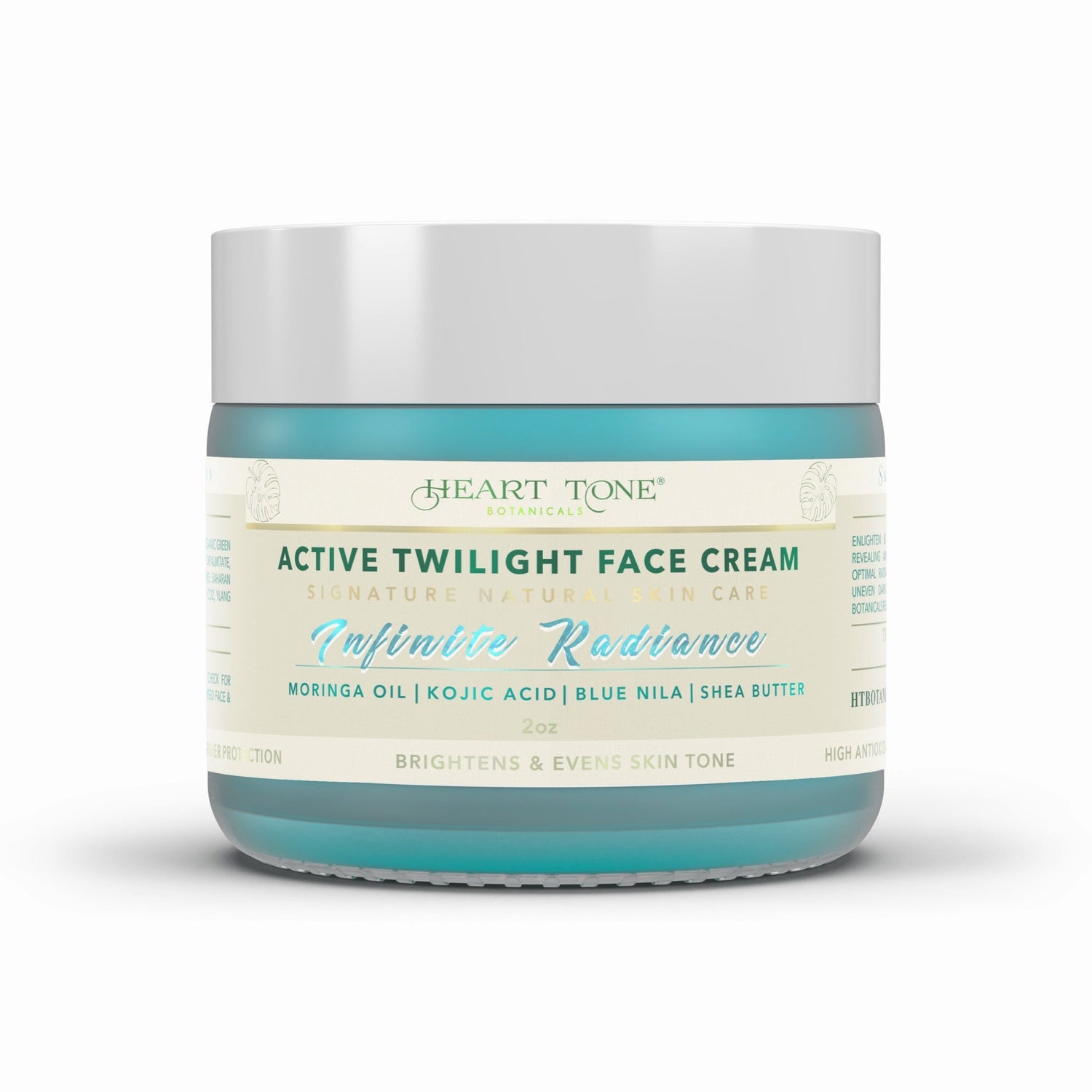
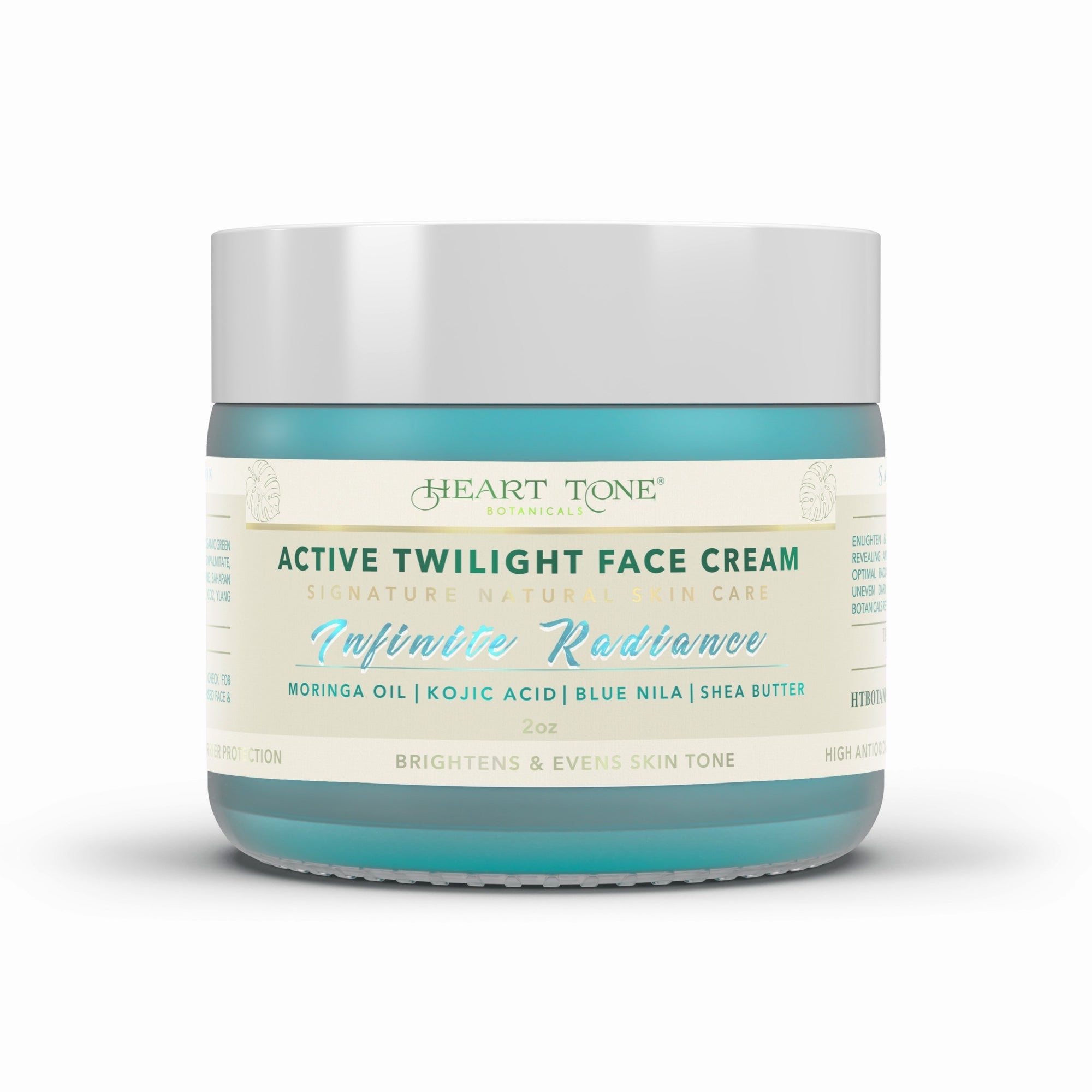
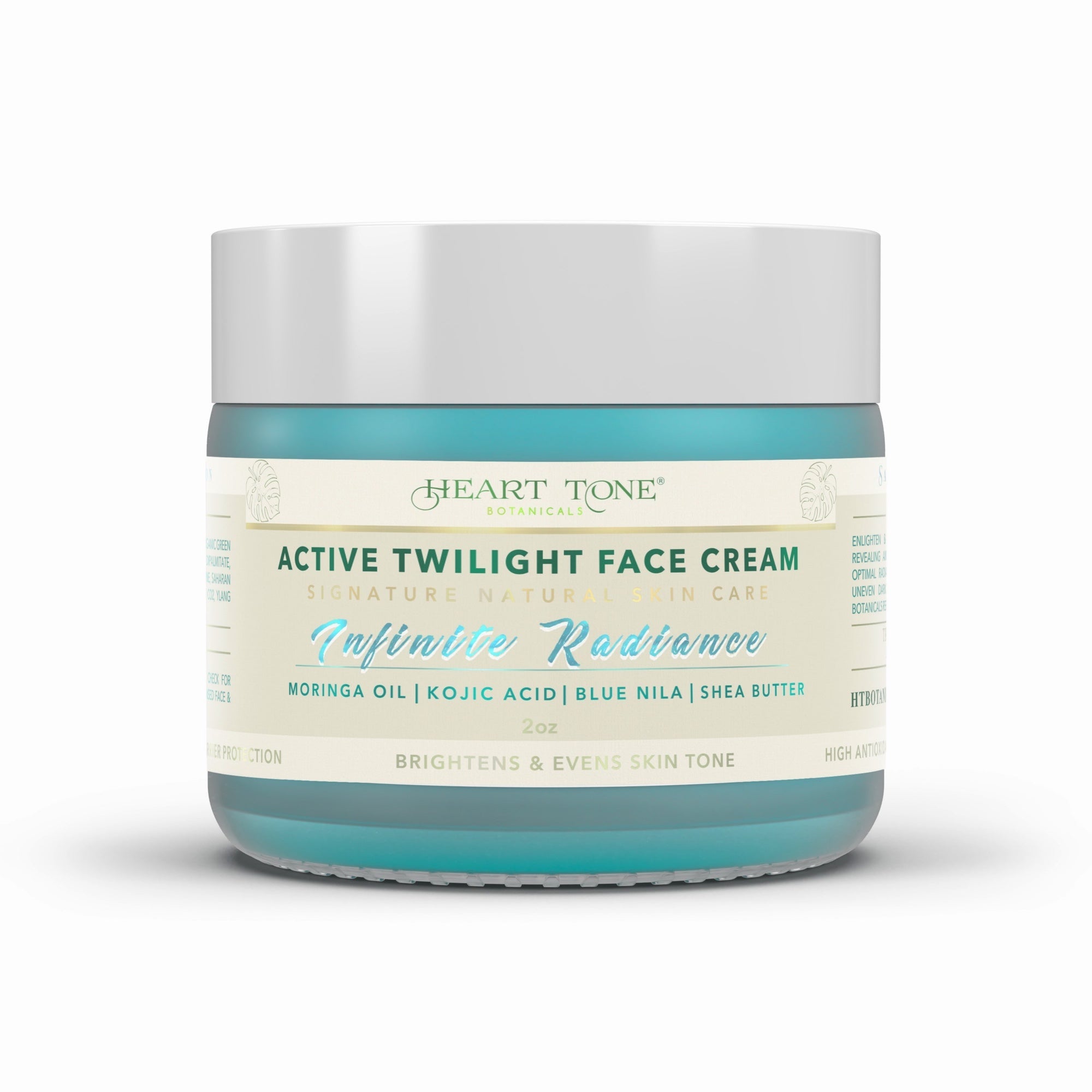
Our Active Twilight Face Cream was formulated from the base up as a plant-based skin longevity cream — not a conventional moisturizer with botanical additions bolted on.
The base is built from plant oils selected for their skin-compatible lipid profiles and bioactive content. The actives — including bakuchiol and botanical antioxidant complex — are present at meaningful concentrations, not decorative percentages. The botanicals are farm-grown, not commodity-sourced, which means the phytochemical profile is consistent and traceable rather than variable.
There are no synthetic retinoids, no silicone emollients, no PEG derivatives. What's in the jar is plant chemistry working on your skin all night — not plant chemistry suspended in a synthetic carrier doing the actual work.
It's formulated for evening use, which is when skin repair cycles are most active and when active ingredients can work without UV competition. The texture is rich without being occlusive — it absorbs rather than sitting on top of the skin.
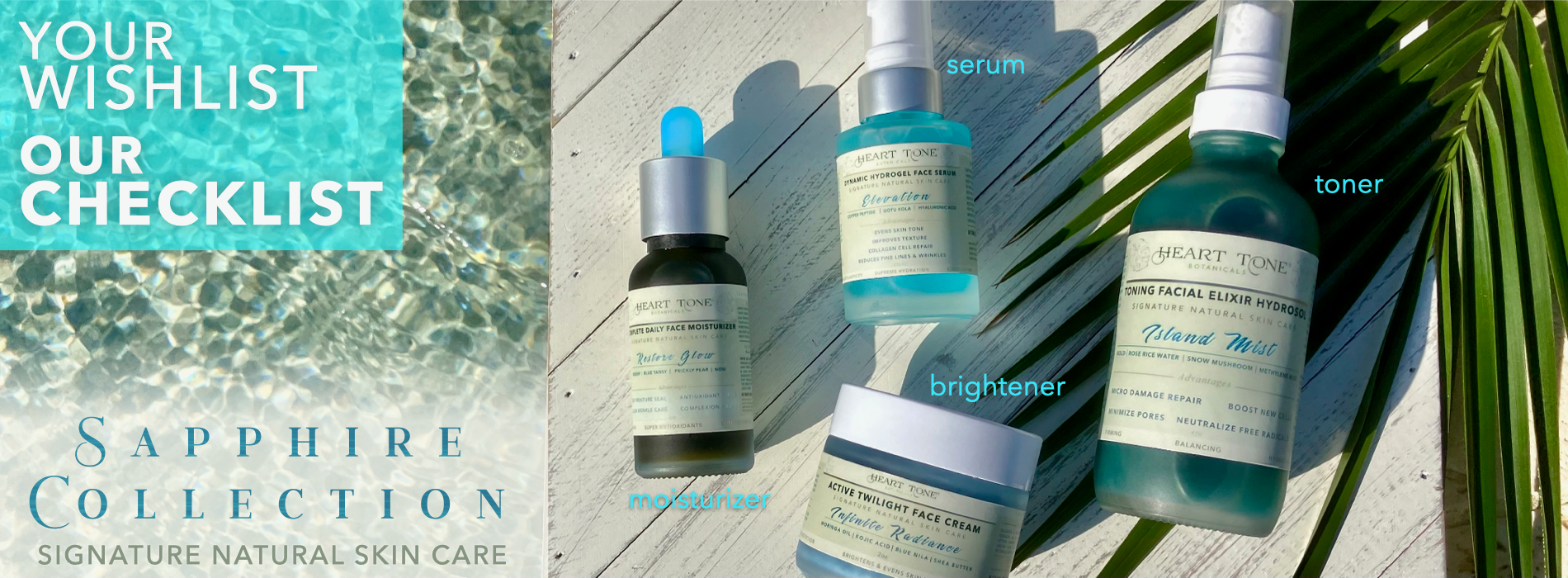
For a complete evening ritual, Active Twilight pairs well with our Dynamic Hydrogel Face Serum — applied first to deliver humectant hydration into a clean skin surface — and The Complete Face Ritual, which layers cleanser, serum, and cream in a sequence designed around how skin actually absorbs and uses each step.
The Bottom Line
Plant-based ingredients can absolutely address the signs of skin aging. Bakuchiol delivers retinol-comparable results without the irritation. Botanical antioxidants neutralize free radical damage in ways that rival synthetic alternatives. Moringa, rosehip, sea buckthorn, and a well-built botanical complex support the skin's repair processes through genuine plant chemistry.
But "natural anti-aging" only works when the formula is honest all the way through — not just at the hero ingredient level, but at the base. If the carrier is synthetic, most of what you're absorbing is synthetic, regardless of what the front-of-pack copy says.
Read ingredient lists. Ask about sourcing. Look for transparency as a signal of formulation integrity.
And if you want a face cream that's built the right way from the ground up, Active Twilight Face Cream is where we'd start.

Leave a comment
This site is protected by hCaptcha and the hCaptcha Privacy Policy and Terms of Service apply.