

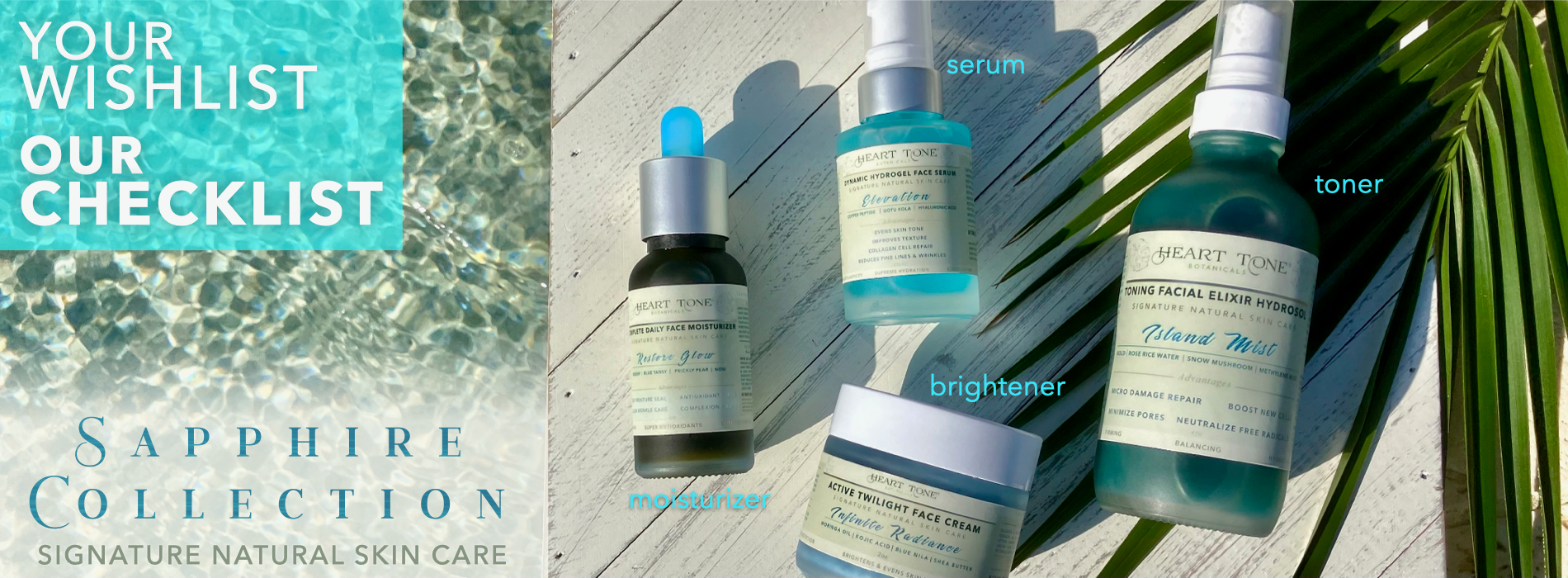
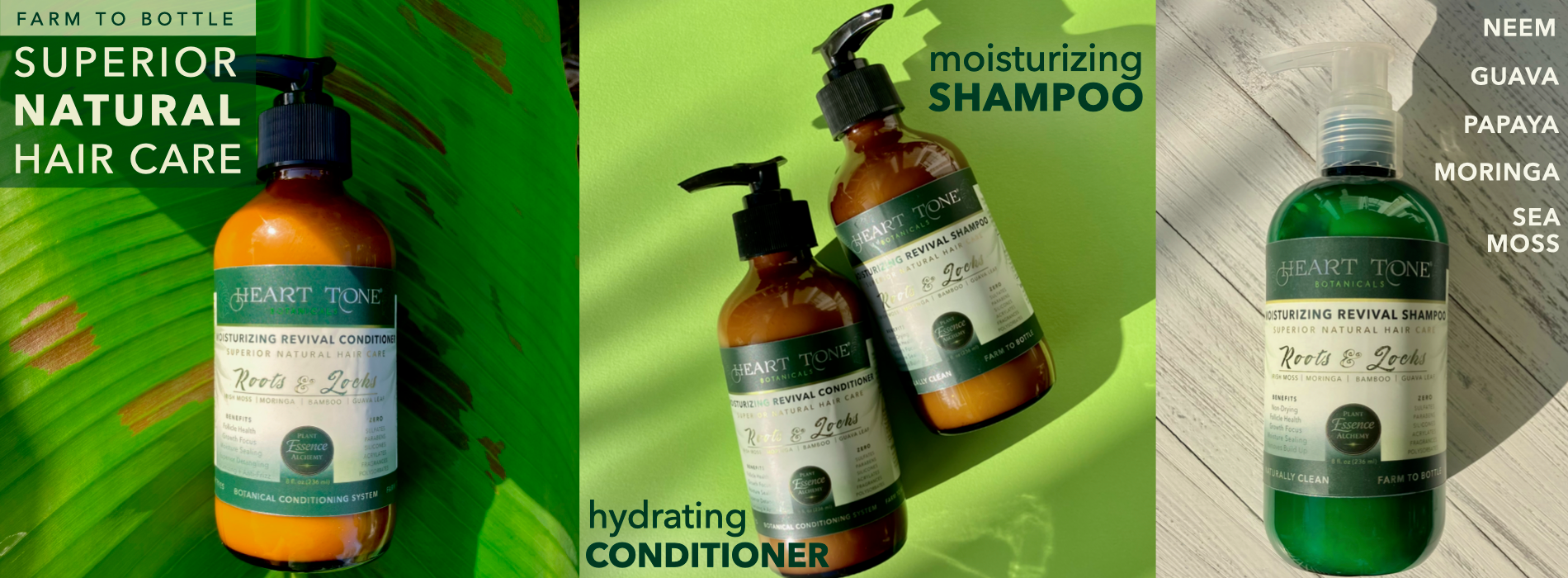
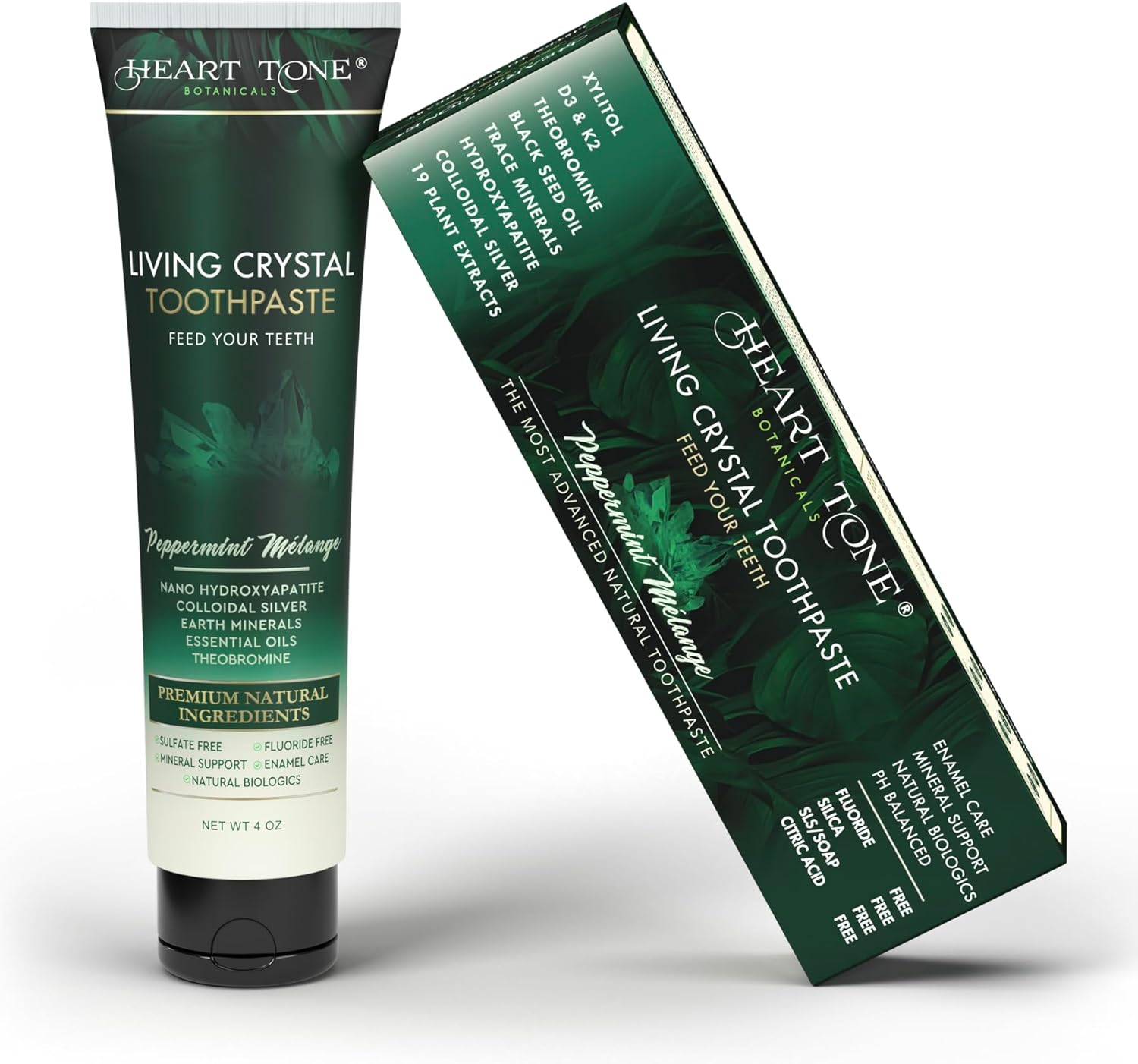
Most people have heard of oil pulling with coconut oil. Far fewer know that moringa seed oil — pressed from the seeds of the Moringa oleifera tree — may be one of the most nutrient-dense oils you can add to an oil pulling formula. And yet almost no natural oral care brands are talking about it.

This post breaks down what moringa seed oil is, what it brings to an oil pulling practice, and why it's quietly becoming one of the most interesting ingredients in modern natural oral care.
What Is Moringa Seed Oil?
Moringa oleifera — sometimes called the "miracle tree" or "drumstick tree" — is a fast-growing plant native to South Asia and parts of Africa. Every part of the tree has been used in traditional medicine for centuries: the leaves as a nutritional superfood, the pods as food, and the seeds pressed into a remarkably stable oil.
Moringa seed oil is sometimes called "Ben oil" because of its high behenic acid content. It's prized in cosmetics for its oxidative stability — it resists rancidity far longer than most plant oils — and for its rich profile of oleic acid, antioxidants, and phytosterols.
"Moringa seed oil contains over 30 antioxidants and is one of the most shelf-stable plant oils known to science — making it ideal for formulations that need to stay active and effective."
Oil Pulling: The Ancient Practice Getting Modern Attention
Oil pulling is an Ayurvedic practice that dates back over 3,000 years. The basic idea: swish a tablespoon of oil around your mouth for 10–20 minutes, pulling it through your teeth and across your gums. The oil acts as a mechanical solvent, picking up bacteria, debris, and toxins before you spit it out.
Modern research is starting to validate what ancient practitioners already knew. A 2017 review in the Journal of Traditional and Complementary Medicine found that oil pulling reduced counts of Streptococcus mutans — the primary bacteria responsible for cavities — comparable to chlorhexidine mouthwash in some studies, but without the side effects.
Traditional oil pulling was done with sesame or coconut oil. But the growing science around bioactive plant oils — including moringa — has opened the door to more sophisticated, multi-oil formulations.
Why Moringa Seed Oil in Oil Pulling?
Here's what moringa seed oil specifically brings to an oil pulling formula:
1. Antimicrobial Properties
Moringa seed oil contains isothiocyanates — natural compounds with documented antimicrobial activity. Studies have shown moringa extracts can inhibit the growth of oral pathogens including S. mutans, Staphylococcus aureus, and Streptococcus pyogenes. In an oil pulling context, these compounds get direct, prolonged contact with oral tissues — maximizing their effect.
2. Anti-Inflammatory Gum Support
Moringa is exceptionally rich in quercetin, kaempferol, and isothiocyanates — all compounds with anti-inflammatory properties. Chronic gum inflammation (gingivitis) is one of the most common oral health complaints. Oil pulling with a moringa-containing formula offers a daily, drug-free way to address inflammation at the gum line.
3. Antioxidant Protection
The oral cavity is constantly exposed to oxidative stress — from food, bacteria, and environmental factors. Moringa seed oil's antioxidant density (it contains over 30 identified antioxidants) makes it a powerful protective agent. Antioxidants in the oil can neutralize free radicals in oral tissues before they contribute to tissue damage or accelerated gum aging.
4. Exceptional Carrier Stability
In a multi-oil formula, the stability of each individual oil matters. Moringa seed oil's high oleic acid content and natural behenic acid (not found in most plant oils) give it unusual resistance to oxidation. This means formulas containing moringa stay fresher longer and maintain their bioactive properties through the full shelf life of the product.
5. Nutrient Density
The oral mucosa (the tissue lining your mouth) is permeable — it absorbs nutrients topically. Moringa seed oil's phytosterols, vitamins A and E, and fatty acids can be absorbed through the oral mucosa during the oil pulling process, offering localized nutritional support to oral tissues.
What to Look for in an Oil Pulling Formula
Not all oil pulling products are equal. When evaluating an oil pulling formula, look for:
- Multiple base oils — coconut, sesame, and MCT each bring different fatty acid profiles and antimicrobial properties
- Moringa seed oil — for antioxidant density and gum anti-inflammatory support
- CoQ10 — a coenzyme found in every cell in the body, with documented gum health benefits at the tissue level
- Essential oils — peppermint, spearmint, manuka, and tea tree each have documented antimicrobial profiles
- No synthetic additives — no artificial flavors, fillers, or detergents
- Organic certification where possible — oil pulling involves prolonged contact with oral tissues, so ingredient quality matters
Moringa in the Antioxidant Oil Pull
Heart Tone Botanicals' Antioxidant Oil Pull was formulated with exactly this philosophy. The base is a blend of organic liquid coconut oil (MCT), organic sesame seed oil, organic coconut oil, and organic hemp seed oil — then layered with a bioactive stack that includes organic moringa seed oil, sea buckthorn berry extract, pomegranate seed extract, and CoQ10.

The essential oil profile — peppermint, spearmint, birch, wintergreen, manuka, tea tree, turmeric, licorice root, organic myrrh, oregano, and thyme — is specifically selected for its antimicrobial and anti-inflammatory synergies. This isn't an oil pulling product that happens to have moringa in it — the formula was built around the combination of antioxidant-dense botanical oils and antimicrobial essential oils working together.
The result: an oil pulling experience that goes far beyond plain coconut oil.
Try the Antioxidant Oil Pull →
How to Oil Pull with a Multi-Oil Formula
If you're new to oil pulling, here's the simple daily protocol:
- Morning, before eating or drinking. Oil pulling is most effective on an empty stomach.
- Take 1 tablespoon of the oil pulling formula.
- Swish gently for 10–20 minutes. Don't gargle — just pull the oil through your teeth and around your gums. It's meditative once you get the rhythm.
- Spit into the trash, not the sink. The oil thickens as it absorbs bacteria — don't put it down a drain.
- Rinse with warm water, then brush normally.
Consistency matters more than duration. Ten minutes daily for a month will show more results than twenty minutes once a week.
Moringa Seed Oil vs. Coconut Oil: Why Both?
The question sometimes comes up: why not just use coconut oil? Coconut oil is excellent for oil pulling — it's rich in lauric acid, which has well-documented antimicrobial properties, and it's widely available. But it's only one tool.
Moringa seed oil brings a completely different nutrient profile: antioxidants, phytosterols, behenic acid, and isothiocyanates that coconut oil simply doesn't have. Sesame seed oil — the traditional Ayurvedic oil pulling choice — brings its own lignans and tocopherols. Hemp seed oil adds a balanced omega-3/omega-6 ratio with anti-inflammatory properties.
A multi-oil formula gets you the best of all of them. Each oil contributes something the others don't — and the combination is genuinely more than the sum of its parts.
The Bottom Line
Moringa seed oil is one of the most interesting additions to the modern oil pulling toolkit. Its antimicrobial, anti-inflammatory, and antioxidant properties map directly onto the goals of oil pulling — reducing oral bacteria, supporting gum health, and protecting oral tissues from oxidative damage.
If you've been oil pulling with plain coconut oil, it's worth considering a formula that brings moringa — and the full spectrum of bioactive botanical oils — into the practice. Your gums may thank you.
→ Learn more about What Is Oil Pulling? The Complete Guide
→ Explore the full HTB Oral Care Collection

Leave a comment
This site is protected by hCaptcha and the hCaptcha Privacy Policy and Terms of Service apply.