

Why a Bamboo Toothbrush Is Worth Switching To
A bamboo toothbrush is one of the simplest upgrades you can make to your daily routine — a small, sustainable swap that adds up. But beyond the eco-friendly appeal, there's a real case for why bamboo handles and ultra-soft bristles perform better for the people who care about what touches their mouth every day.

If you've been curious about making the switch, here's what the bamboo toothbrush actually does — and what to look for when choosing one.
What Makes Bamboo Toothbrushes Different
Most conventional toothbrushes are made from polypropylene — a plastic that takes centuries to break down. The bamboo toothbrush flips that equation. The handle is biodegradable, grown without pesticides, and naturally moisture-resistant. Bamboo is one of the fastest-growing plants on earth, which means harvesting it doesn't deplete forests or require replanting cycles.
But the sustainability story is only part of it. The bristles matter just as much — and this is where most bamboo toothbrushes fall short.
"The gentler the bristle, the better the clean" — soft to ultra-soft bristles clean more effectively at the gumline without causing the micro-abrasions that stiff bristles can leave behind.
The Case for Ultra-Soft Bristles
Dentists have long recommended soft bristles over medium or hard. Here's why that matters:
- Gum health: Stiff bristles can cause gum recession over time — especially if you're a "pressure brusher." Softer bristles bend to follow the gumline instead of scrubbing against it.
- Enamel protection: Hard brushing with stiff bristles is a leading cause of enamel wear. You don't need pressure — you need coverage and time.
- Better contact: Ultra-fine, high-density bristles reach between teeth and along the gumline more effectively than coarser alternatives.
The best bamboo toothbrushes pair the sustainable handle with ultra-soft nylon bristles — giving you environmental responsibility without sacrificing cleaning performance.
Bamboo vs. Plastic Toothbrush: Is There a Real Difference in Clean?
Mechanically, a bamboo toothbrush cleans the same way a plastic one does — the bristles do the work. The difference shows up in three areas:
- Handle feel: Bamboo is slightly heavier and warmer in the hand than plastic. Some people find this more comfortable for longer brushing sessions.
- Mold resistance: Bamboo has natural antimicrobial properties, which means the handle resists mold and bacteria buildup better than plastic in a humid bathroom environment.
- End-of-life: When it's time to replace your toothbrush (every 3 months), the bamboo handle can be composted. The bristles still need to be pulled out and disposed of separately — most are nylon — but the bulk of the toothbrush doesn't end up in landfill.
What to Look for in a Bamboo Toothbrush
Not all bamboo toothbrushes are created equal. Here's the short checklist:
- Bristle softness: Ultra-soft or soft only. Avoid medium or hard — they're not better, they just feel more aggressive.
- Bristle density: More bristles means better surface contact. Look for high-density heads.
- Handle finish: Unvarnished or lightly coated bamboo dries better and resists moisture longer than lacquered versions.
- Ergonomic grip: A slightly curved or tapered handle makes it easier to reach back molars.
- No synthetic dyes: If the bamboo is bright white or stained, it's been treated. Natural bamboo is light tan to golden.
Pairing Your Bamboo Toothbrush with the Right Toothpaste
The toothbrush gets the surface work done — but the toothpaste determines what's being delivered to your enamel and gums. If you're upgrading to a bamboo toothbrush, it's worth pairing it with a toothpaste that matches the same natural-first philosophy.
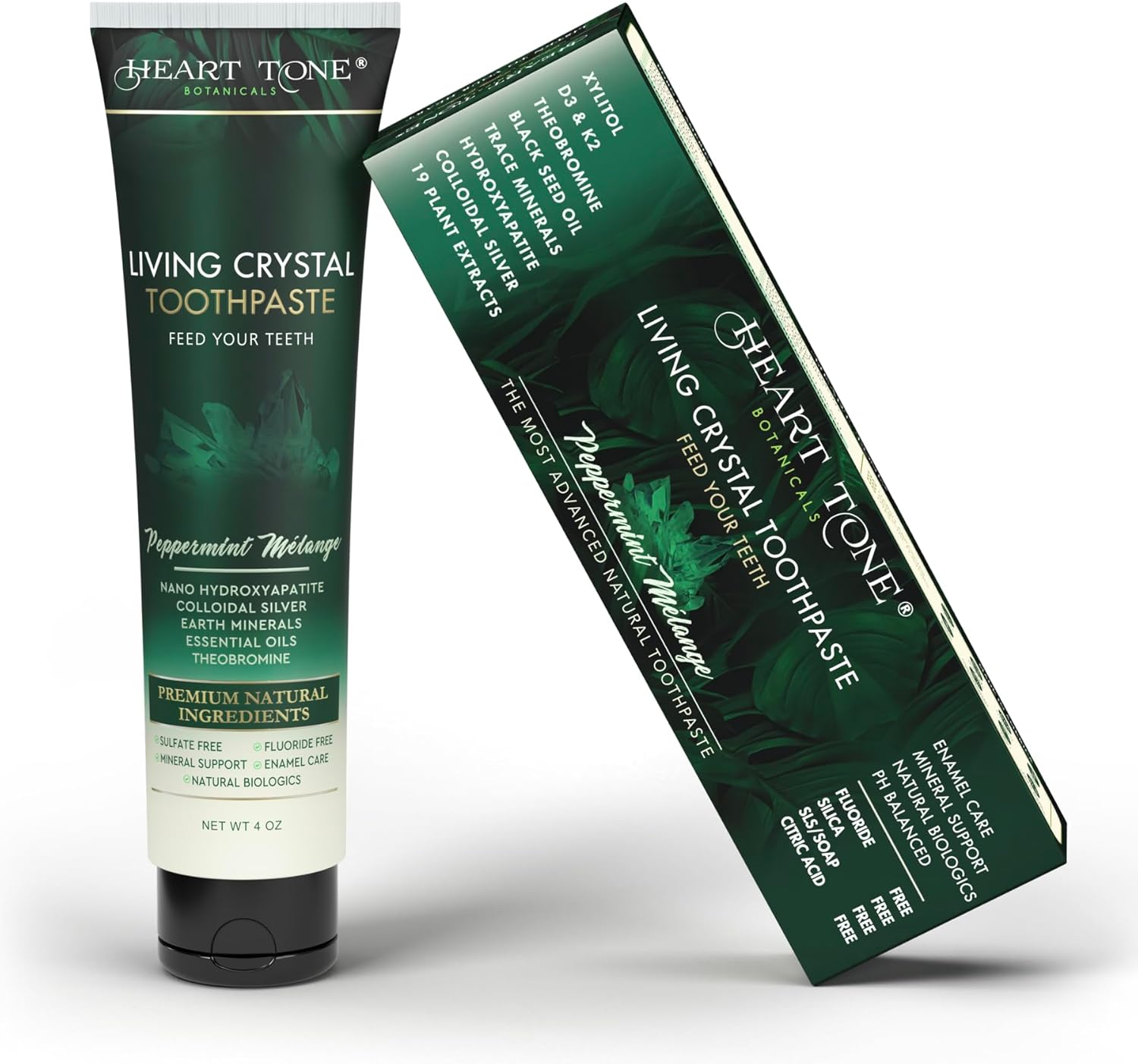
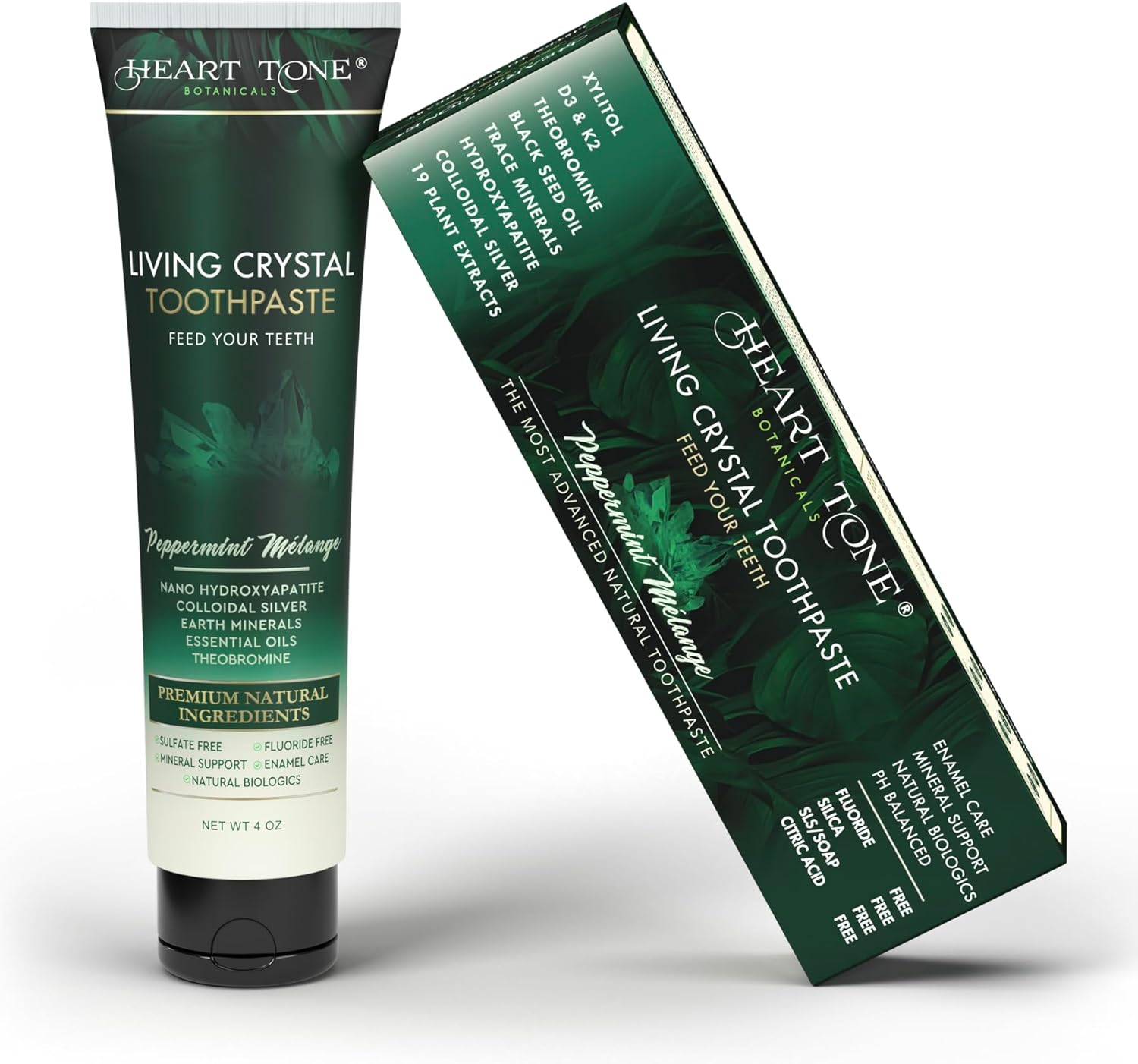
Living Crystal Toothpaste was built for this pairing. It's fluoride-free, built on spherical micro-hydroxyapatite and theobromine — two minerals that strengthen enamel and remineralize teeth without synthetic fluoride — blended with 30+ farm-grown botanicals including colloidal silver and aloe vera. No artificial preservatives, no harsh abrasives that would counteract the gentle work of soft bristles.

Together, a soft bamboo toothbrush and a mineral-rich natural toothpaste form a complete oral care ritual that's both effective and clean.
How Often Should You Replace a Bamboo Toothbrush?
Same rule as plastic: every 3 months, or sooner if the bristles start to fray. Frayed bristles lose their cleaning precision — you're essentially brushing with bent wires instead of fine filaments. The handle lasts much longer than the bristles, but replacing the whole brush keeps hygiene high.
A good habit: replace your toothbrush at the start of each season. It's an easy anchor — January, April, July, October.
The Complete Natural Oral Care Routine
A bamboo toothbrush is a great starting point, but a full natural oral care routine goes further:
- Brush: Bamboo toothbrush + mineral toothpaste (2x daily, 2 minutes)
- Rinse: Alcohol-free botanical mouthwash — our Restorative Mouth Rinse uses 22 botanical ingredients including colloidal silver and aloe vera, with no alcohol, no synthetic preservatives
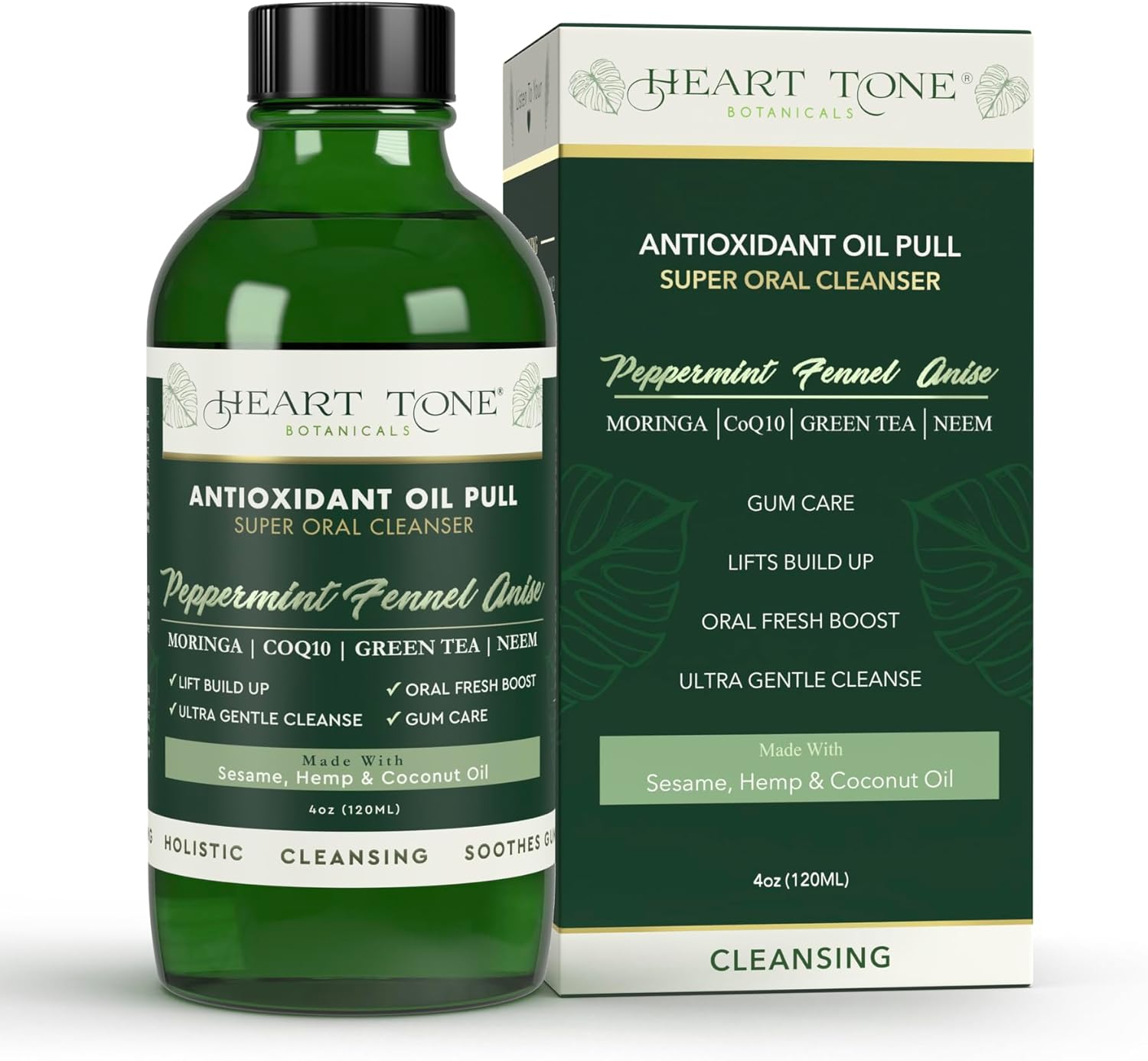
- Pull (optional but powerful): Weekly oil pulling with our Antioxidant Oil Pull for an extra layer of botanical cleansing
Each step builds on the last. The toothbrush removes physical debris. The toothpaste remineralizes and protects. The mouthwash reaches areas the brush can't. Oil pulling adds a botanical reset for the whole oral environment.
Why Natural Oral Care Is a Long Game
Conventional oral care products often rely on harsh abrasives, alcohol, and synthetic antibacterials that deliver immediate results at the cost of long-term oral microbiome health. Natural oral care — including bamboo toothbrushes, fluoride-free mineral toothpaste, and alcohol-free mouthwash — is a different philosophy: support the mouth's natural chemistry instead of overriding it.
It takes a few weeks to notice the difference. Teeth feel less sensitive. Gums feel less irritated after brushing. Breath stays fresh longer because you're not stripping the beneficial bacteria alongside the harmful ones.
The bamboo toothbrush is where most people start — and it's a good start.
Ready to complete the switch? Pair your bamboo toothbrush with Living Crystal Toothpaste and Restorative Mouth Rinse for a full natural oral care ritual. Or explore our complete oral care collection to find the right combination for your routine.

Leave a comment
This site is protected by hCaptcha and the hCaptcha Privacy Policy and Terms of Service apply.