












The Short Answer: They're Petroleum Byproducts, Not Botanical Ingredients

Mineral oil and petrolatum show up on an enormous number of skincare and body care labels — moisturizers, lip balms, baby lotions, even some "gentle" formulas marketed for sensitive skin. Both are refined from petroleum, and both do one job well: they sit on top of skin and slow water loss. That's a real, useful function. It's also the entire reason clean beauty brands, including ours, formulate around plant oils and butters instead.
Here's what these two ingredients actually are, why they became so common, and what a farm-grown alternative looks like on a label.
What Mineral Oil and Petrolatum Actually Are
Mineral oil is a colorless, odorless liquid derived from refining crude petroleum. Petrolatum — better known by the brand name Vaseline — is the semi-solid, jelly-like byproduct of that same refining process. Both are classified as occlusives: ingredients that form a physical film on the skin's surface to reduce water evaporating out of it.
At cosmetic grade, both go through a purification process to remove the contaminants found in crude petroleum. That's a different product from crude oil in the same way that food-grade citric acid is a different product from a lemon rind — the refining is real. What doesn't change is the source: petroleum, not a plant, and not a farm.
Why They Show Up in So Many Formulas
Mineral oil and petrolatum earned their place in mass-market skincare for practical reasons. They're inexpensive to produce at scale, they're extremely stable — they don't oxidize or go rancid the way plant oils eventually can — and they're consistent from batch to batch because they're a refined, standardized output rather than an agricultural one. For a company formulating millions of units, those are meaningful advantages.
None of that makes them harmful at cosmetic-grade purity. It makes them convenient. The clean beauty conversation around these two ingredients isn't a safety alarm — it's a formulation philosophy question: do you want a moisturizer built from a byproduct of fuel refining, or one built from what actually grows on a farm?
Why Clean Beauty Formulas Skip Them
A petroleum-derived occlusive and a botanical oil can both slow water loss from skin, but they get there differently. Plant oils and butters — shea, jojoba, moringa, rosehip, and dozens of others — carry their own naturally occurring fatty acids, and many people find they feel lighter and absorb differently than a heavier petroleum-based layer. They also come with a traceable, agricultural origin: a specific crop, grown somewhere, harvested and pressed — the opposite of a refinery byproduct with no farm behind it.
That traceability is the whole reason "farm-grown" means something on our labels. Ingredients like aloe vera grown on JD's own farm in Vero Beach, Florida, go from field to formula with a story you can actually follow, instead of a supply chain that starts at a petroleum refinery.
What a Plant-Based Alternative Looks Like
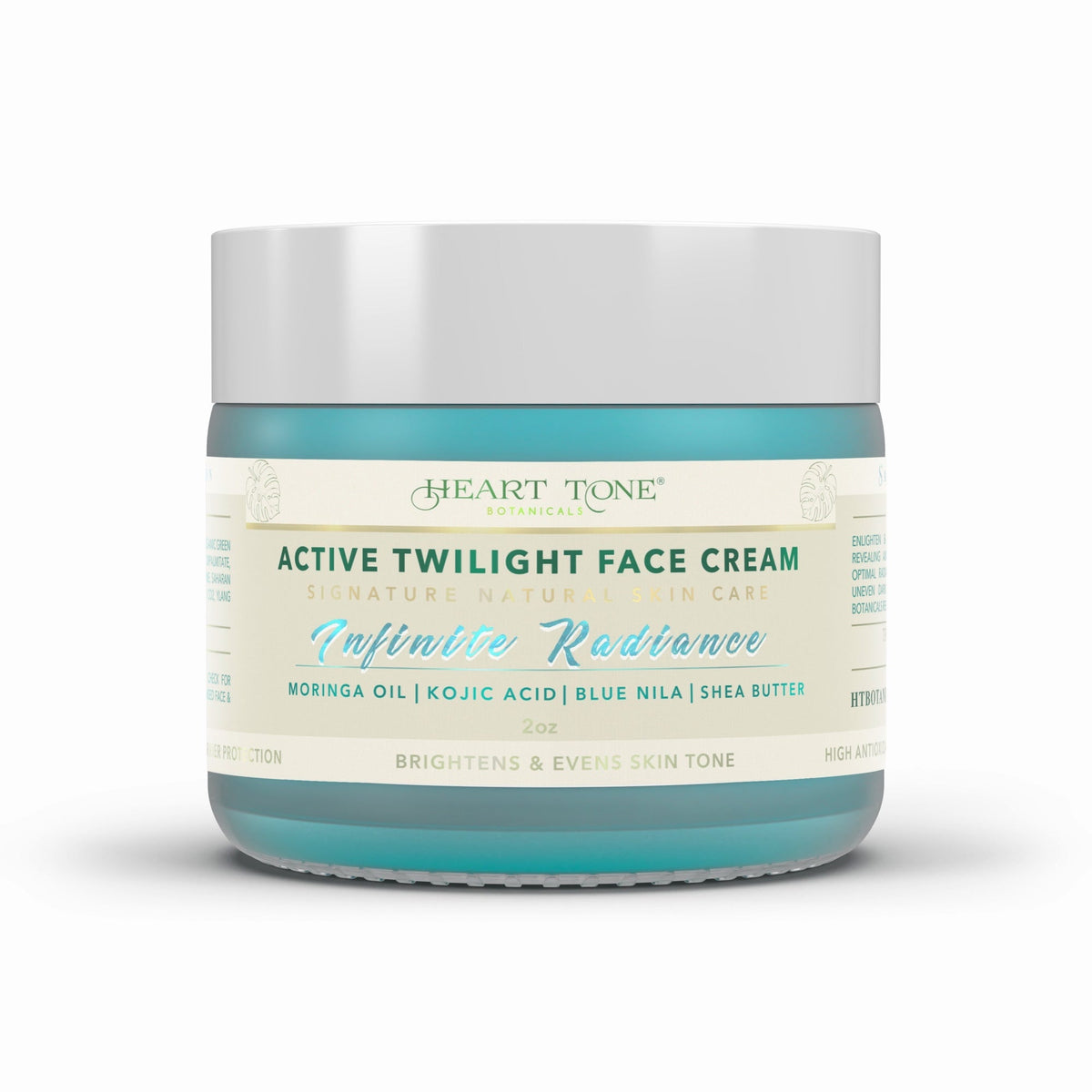
Our Complete Daily Face Moisturizer is built from a blend of 22 plant oils — jojoba, moringa, rosehip, sea buckthorn, prickly pear seed, and more — with no mineral oil or petrolatum in the formula. Active Twilight Face Cream leans on organic shea butter, moringa oil, and green tea oil for its nighttime richness, again without a petroleum-derived occlusive anywhere on the ingredient list. Our Botanical Renew Body Butter takes the same approach for the body, built around shea butter, kokum butter, and farm-grown aloe vera rather than a mineral-oil base.

The trade-off is honest: butters and plant oils generally cost more to source and have a shorter shelf life than a refined petroleum product, which is part of why they're less common in mass-market formulas. It's also why small-batch, farm-grown skincare tends to sit at a different price point than a drugstore jar of petroleum jelly.
How to Check Your Own Moisturizer's Label
Mineral oil and petrolatum are required to be listed by those exact names (or as "paraffinum liquidum" and "petrolatum" on an INCI ingredient list), so they're not hard to spot once you know to look. A few practical checks:
- Scan the first five ingredients — occlusives are usually listed early since they typically make up a meaningful percentage of the formula
- Look for "paraffinum liquidum" — the INCI name for mineral oil, which can appear instead of the plain-English term
- Check what's replacing it — a plant-oil or plant-butter formula will usually name its oils specifically (shea butter, jojoba, moringa) rather than relying on one generic occlusive
- Don't confuse "hypoallergenic" with mineral-oil-free — mineral oil is often chosen specifically because it's low-reactivity, so the two claims aren't opposites
The Bottom Line
Mineral oil and petrolatum aren't dangerous at cosmetic-grade purity — they're just petroleum byproducts doing an occlusive job that a farm-grown plant oil or butter can also do, with a different origin story and a different feel on skin. Choosing between them is a formulation philosophy, not a safety verdict, and it's one worth understanding before you decide which one belongs in your routine.
If you're looking for a moisturizer built from traceable, farm-grown ingredients instead of a refinery byproduct, explore Complete Daily Face Moisturizer and Active Twilight Face Cream, or browse our full natural facial care collection.


Leave a comment
This site is protected by hCaptcha and the hCaptcha Privacy Policy and Terms of Service apply.