












The Short Answer: Kunzea Is a Rare Tasmanian Botanical You've Probably Never Heard Of

If you've read the ingredient list on a facial mist or toner and stopped at "kunzea essential oil," you're not alone. It's one of the least familiar botanicals in natural skincare — and also one of the rarest, since it's only distilled in one part of the world. Here's what it actually is, where it comes from, and why a small handful of botanical formulators bother sourcing it at all.

Where Kunzea Actually Comes From
Kunzea ambigua is a flowering shrub that grows wild along the coastal heathlands and highlands of Tasmania, with smaller pockets in Victoria and New South Wales. Locals sometimes call it "White Cloud," for the way its small white flower clusters blanket the shrub during bloom. The essential oil is steam-distilled from the leaves and green twigs, the same traditional distillation method used for most botanical essential oils.
Botanically, kunzea sits in the same plant family as tea tree and manuka — Myrtaceae — which is part of why its aroma can feel familiar even on a first sniff: fresh, herbaceous, with a soft camphor-like edge that's less sharp than tea tree on its own. Tasmania's Aboriginal communities have a long history of incorporating kunzea into traditional botanical preparations, and small-batch Tasmanian distillers still produce most of the world's supply today. It isn't grown at scale anywhere else, which is part of why it rarely shows up outside boutique formulations.
Ho Wood and Honoki: The Other Rare Botanicals in the Same Blend
Kunzea is usually formulated alongside a small circle of similarly uncommon aromatic woods, and Island Mist is a good example of that — it pairs kunzea with both ho wood and honoki wood essential oils.
Ho wood comes from Cinnamomum camphora, distilled from the wood and branches rather than the bark. It's prized in botanical formulation as a linalool-rich alternative to rosewood, which has become harder to source sustainably. The scent is soft, sweet, and floral-woody.
Honoki (sometimes spelled hinoki) comes from Chamaecyparis obtusa, the Japanese cypress. It's a tree with serious cultural weight in Japan — its wood has been used to build temples and traditional bathhouses for centuries, prized for a dry, quiet, woody aroma that Japanese bathing rituals have leaned on for generations. It's one of the more historically significant woods in aromatic tradition.
None of these three ingredients are common — you're far more likely to see synthetic fragrance recreations of "woody" or "cypress" notes than the real botanical oils. Sourcing all three in a single formula is a deliberate, and not inexpensive, choice.
What a Toning Mist Is Actually For
"Toner" is a leftover term from a different era of skincare, when the step existed mostly to strip residue after harsh cleansers. A modern botanical facial mist does something different: it's a light, hydrating layer that goes on clean skin, before serum and moisturizer, to leave skin feeling refreshed and set up to take in what comes next.
A well-formulated mist typically leans on a few categories of ingredients working together:
- Hydrosols (like rose or orange blossom water) — the aromatic water left over from steam-distilling flowers, valued for a light, non-greasy hydrating feel
- Humectant-rich extracts (like fermented rice water or aloe vera leaf juice) — traditionally used botanicals that contribute to a comfortable moisture feel on the skin's surface
- Aromatic botanicals (like kunzea, ho wood, and honoki) — rare essential oils included for their traditional use and distinctive scent profile, layered in at low, skin-friendly concentrations
The goal is a mist that feels closer to a light veil of hydration than a splash of witch hazel and water.
How to Use a Botanical Facial Mist
Facial mists are typically the first step in both morning and evening routines:
- Mist onto clean, dry skin (or damp skin, straight out of the shower)
- Let it sit for a few seconds rather than wiping it off with a cotton round
- Follow with serum, then a facial oil or moisturizer, while skin still feels slightly damp — this is when a lightweight formula layers best
- Keep a bottle at your desk for a mid-day refresh; it's gentle enough for reapplication
Because it's a mist rather than a rinse-off product, the ratio of rare botanicals to hydrosol matters — a well-formulated mist uses these aromatic oils as a supporting note, not the base.
The Bottom Line
Kunzea, ho wood, and honoki aren't ingredients most people will recognize on a label, and that's largely because so few brands bother sourcing them. They're rare, regionally specific, and traditionally used botanicals that bring a distinctive aromatic character to a facial mist — a different formulation approach than reaching for synthetic fragrance or a single common hydrosol.
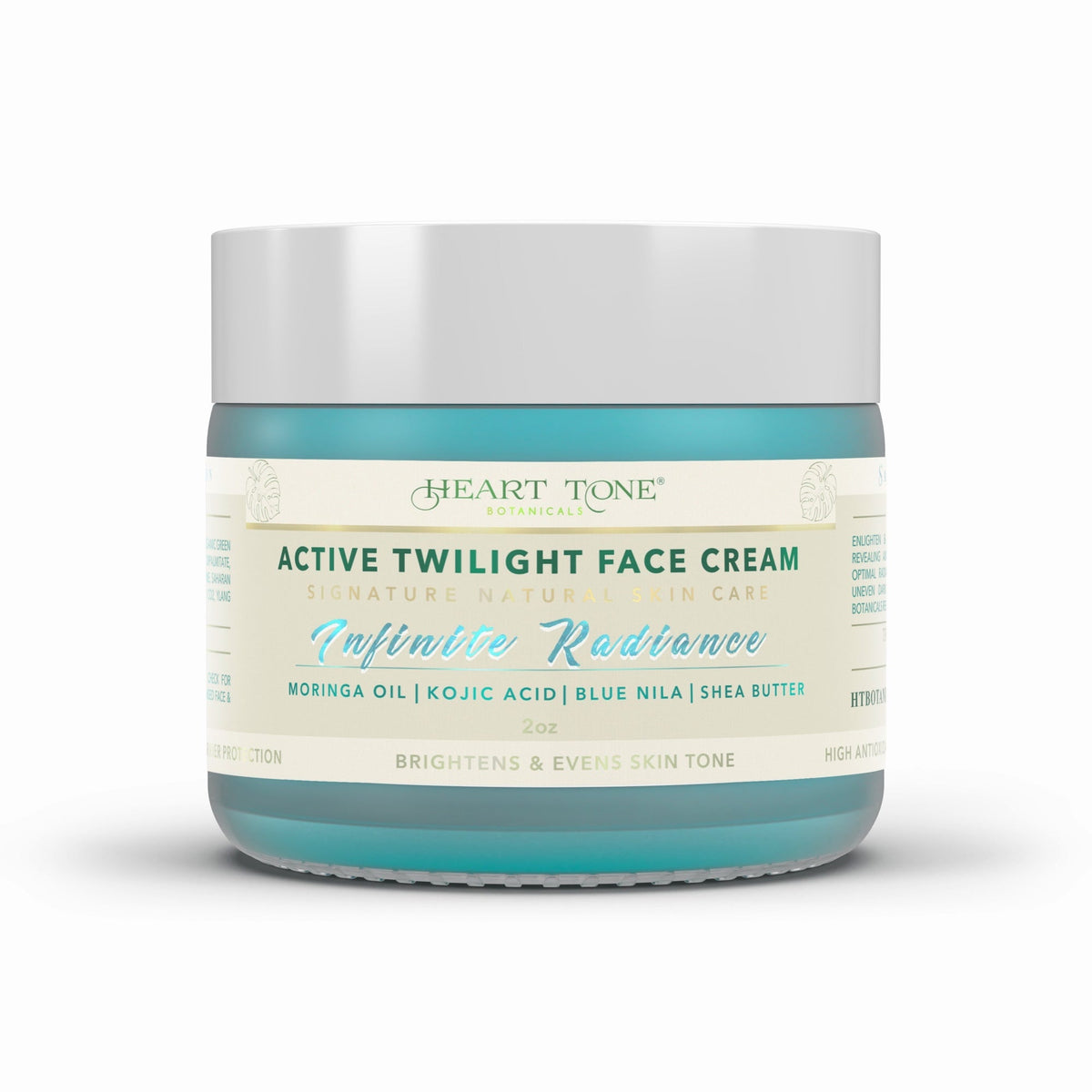
Heart Tone's Island Mist Toning Facial Elixir Hydrosol brings kunzea, ho wood, and honoki wood together with rose and orange blossom hydrosol, fermented rice water, and aloe vera leaf juice in a single mist — the first step of both The AM/PM Face System and The Complete Face Ritual. From there, layer in the Dynamic Hydrogel Face Serum and finish with the Complete Daily Face Moisturizer or, at night, the Active Twilight Face Cream.
Explore the full lineup in our facial care collection.


Leave a comment
This site is protected by hCaptcha and the hCaptcha Privacy Policy and Terms of Service apply.