












The Short Answer: Serum Texture Decides the Order, Not the Ingredient List

If you've ever layered a watery serum on top of a rich face oil and wondered why it just beaded up and slid off, you've already run into the real rule of serum layering: texture, not marketing claims, decides what goes on first. A water-based gel serum needs bare, clean skin to sink into. A rich oil or cream needs to go last, because nothing applied after it can get through. Get the order backwards and the more expensive step in your routine — usually the serum — ends up doing the least work.
Here's how to think about texture so you're not guessing every morning.
Why Texture Matters More Than the Ingredient Label
Skincare formulas fall along a spectrum from thin and water-based to thick and oil-based. A mist or hydrosol toner sits at the thin end. A gel serum sits just past it — mostly water, with a texture built to absorb fast and disappear. Facial oils and rich creams sit at the heavy end, designed to sit on top of skin and seal moisture in rather than sink through it.
The general rule dermatologic estheticians use: apply thinnest to thickest. Once a heavier, oil-based layer is on your skin, it forms a barrier that a thinner, water-based product applied afterward simply can't cross. That's not a marketing detail — it's basic formulation chemistry, and it's why the order you apply things in changes what each step is actually able to do.
Building the Order, Step by Step
Step 1: Mist or Toner — The Thinnest Layer
A hydrosol-based facial mist is about as thin as skincare gets, which is exactly why it goes first, straight onto clean skin. Island Mist Toning Facial Elixir Hydrosol is built around rose and orange blossom hydrosol with fermented rice water and aloe vera leaf juice — a light, fast-absorbing mist meant to leave skin feeling toned and comfortably hydrated before anything else goes on. Because it's water-thin, it preps skin to actually take in the next layer instead of sitting on top of it.
Step 2: Water-Based Gel Serum
This is the step most routines get wrong — either skipping it or burying it under a heavier moisturizer where it can't absorb. A water-based gel serum should go on damp, freshly toned skin while there's still nothing else in the way. Dynamic Hydrogel Face Serum is formulated in exactly this lightweight, water-based gel texture, built around hyaluronic acid, niacinamide, and a blend of hydrosols, plant ferments, and botanical extracts like gotu kola and green tea. The hydrogel format is deliberate — hyaluronic acid works as a humectant, meaning it draws in and holds onto moisture, and that only happens efficiently on skin the ingredient can actually reach.
Step 3: A Lightweight Gel for Targeted Areas (Optional)
If your skin runs oily, combination, or you just want a lighter-feeling layer in warmer months, a botanical gel can stand in for a heavier moisturizer on its own, or layer in after your serum on areas that need it. Botanical Skin Gel uses an aloe vera base for a cooling, fast-absorbing texture that sits between a serum and a full moisturizer on the thin-to-thick spectrum — light enough to wear alone, but still a step up from a pure water-based serum.
Step 4: Oil-Based Moisturizer to Seal It In
Once your water-based layers have had a minute to absorb, it's time for something heavier that can lock that hydration in rather than let it evaporate. Complete Daily Face Moisturizer is a blend of 22 botanical oils — jojoba, moringa, rosehip, bakuchiol, and prickly pear seed among them — formulated at the richer end of the texture spectrum specifically to go on last in a daytime routine. Applying an oil-based moisturizer before your serum wastes the serum; applying it after gives the oils a chance to sit on top and do the sealing job they're built for.
Step 5: A Rich Night Cream as the Final Seal (PM Only)
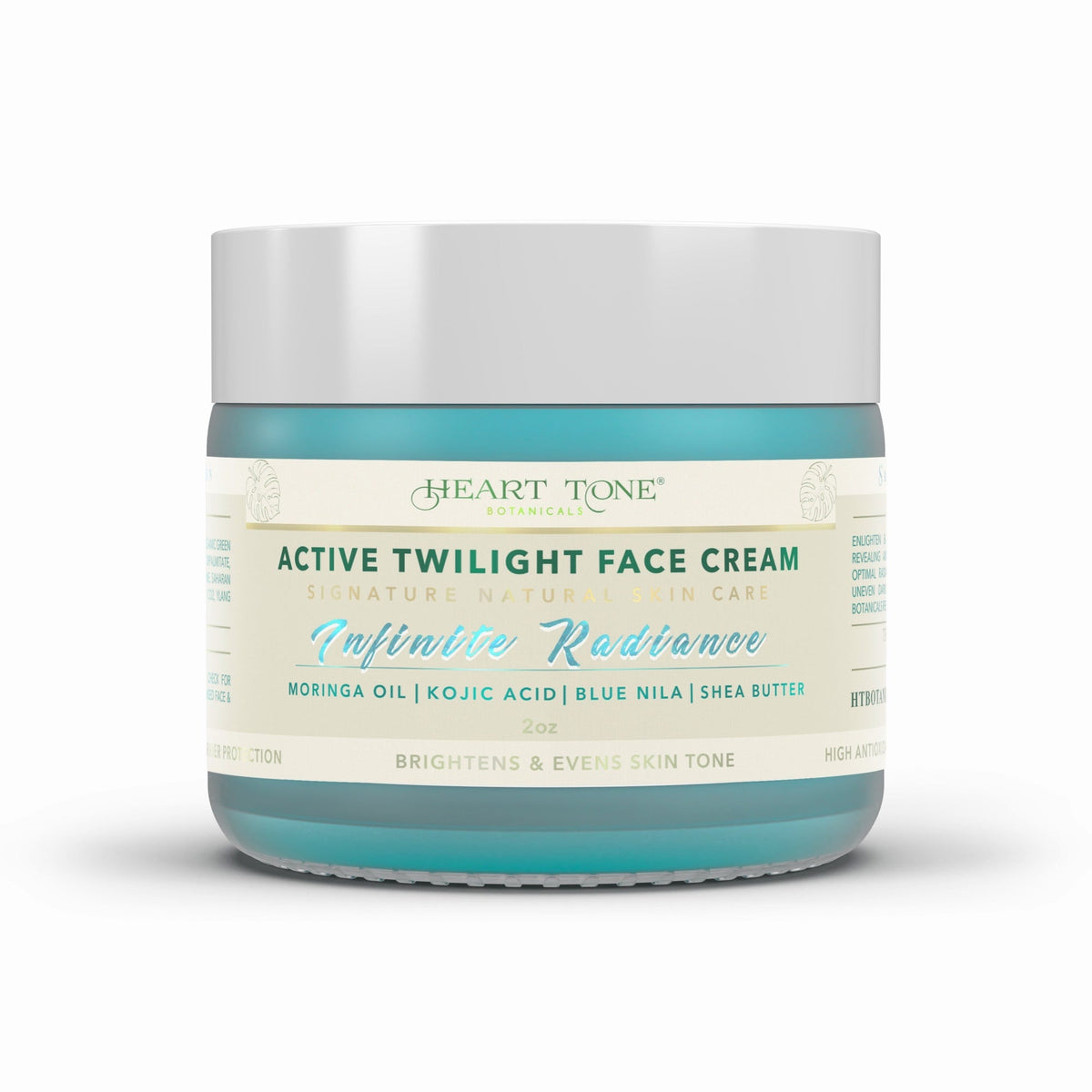
At night, skin can handle — and benefits from — a heavier final layer than it needs during the day. Active Twilight Face Cream is formulated as a rich, ultra-moisturizing overnight cream with shea butter, moringa oil, and green tea oil, meant to go on as the very last step once every lighter layer underneath has had time to absorb. It's the heaviest texture in a routine on purpose — an overnight seal isn't competing with anything applied after it.
What Happens When You Get the Order Wrong
Apply a face oil before a water-based serum and the serum has nowhere to go — it beads up on the surface instead of absorbing, and you've effectively wasted that step. Apply a gel serum on top of a rich moisturizer and the same thing happens in reverse: the serum can't penetrate a layer that's already sealed the skin. Either way, you're not getting less out of your routine because the products are wrong — you're getting less out of it because the order is.
A simple way to check yourself: if a product feels watery between your fingers, it goes on early. If it feels like an oil or a balm, it goes on last. When in doubt, thinnest to thickest is the rule that rarely fails.
The Bottom Line
Serum texture isn't a formulation detail — it's the instruction for how to use it. A water-based gel serum belongs on clean, freshly toned skin, before anything heavier has a chance to block it. Oils and creams belong at the end, sealing in everything underneath rather than fighting for space with it. Build your routine in that order — mist, water-based serum, optional lightweight gel, oil-based moisturizer, and at night a richer cream — and each product actually gets the chance to do what its texture was designed for.
If you'd rather not build that order from scratch, The AM/PM Face System and The Complete Face Ritual both bundle Heart Tone's facial care line in the sequence it was formulated for, morning and night. You can also browse the full facial care collection to build your own routine texture by texture.


Leave a comment
This site is protected by hCaptcha and the hCaptcha Privacy Policy and Terms of Service apply.