












The Short Answer: Wait At Least 48 to 72 Hours

If you just left the salon — or finished a box dye at home — and you're staring at the shower wondering if it's safe to wash your hair yet, the honest answer is: not yet. Most colorists recommend waiting at least 48 hours before the first wash, and a full 72 hours is better insurance if you had an all-over color or a dramatic shift. After that window, the shampoo you reach for matters almost as much as the wait itself.

It's a frustrating answer if you're the type who showers daily and can't stand the smell of fresh dye lingering in your hair. But the timing isn't arbitrary — it's tied to what's actually happening inside the hair shaft in those first few days, and skipping the wait can undo a lot of what you just paid for.
Why the First 72 Hours Actually Matter
Hair dye works by temporarily opening the cuticle — the outer, shingle-like layer that normally lies flat and protects the hair shaft — so color molecules can get underneath it. Once the color process is finished, the cuticle needs time to settle and close back down around those molecules. That settling isn't instant. It happens gradually over the first two to three days after your appointment.
Wash too soon, and you're reopening a cuticle that hasn't finished closing. Water alone can do this to some degree, but the real issue is the shampoo: surfactants are designed to lift and remove things, and a cuticle that's still settling doesn't distinguish between "dirt" and "color molecules that haven't bonded yet." Hot water speeds this along too, since heat encourages the cuticle to lift just like it does on virgin hair.
This is why the first wash after coloring tends to show the most noticeable color loss in the sink or the water running off — not because something went wrong, but because that first wash is working against a cuticle that's still mid-process.
A Simple Timeline
- Day 0 (color day): Skip washing entirely. Even rinsing with plain water isn't ideal right after the appointment.
- Day 1-2: Hold off if you can. This is when the cuticle is doing most of its settling.
- Day 3 (the 72-hour mark): This is generally considered safe for the first wash, especially after a full-color or dramatic change. Use lukewarm, never hot, water.
- Ongoing: Most color-treated hair does best with two to three washes a week going forward, rather than daily washing, simply to reduce the total number of times the cuticle gets disturbed.
If you only did a root touch-up or a subtle gloss, you can sometimes shorten the wait slightly — but 48 hours is still a reasonable floor for most color services.
What to Look For in That First Shampoo
Sulfate-Free, Gentle Surfactants
This is the single biggest factor once you're past the waiting period. Harsh sulfate detergents like sodium lauryl sulfate are built to cut through oil fast, which also means they lift the cuticle more aggressively with every wash — not just the first one. Gentler, coconut-derived surfactants like coco taurate and coco betaine cleanse the scalp without that same forceful lifting action, which matters most in the days right after coloring when the cuticle is still settling.
A Balanced, Slightly Acidic Formula
Hair's cuticle lies flattest in a slightly acidic environment. Shampoos built around ingredients like lactic acid and sodium citrate help keep the wash experience closer to that range, supporting a smoother-feeling cuticle after rinsing instead of one left rough and lifted.
Lukewarm Water, Always
No shampoo formula can fully offset a hot shower. Keep the water lukewarm for at least the first several washes, and save the hot rinse for the very end if you need it on your scalp — not your color.
What Doesn't Actually Help
- Washing less often forever — stretching washes out can help in the short term, but it's a workaround for a harsh shampoo, not a long-term fix. A genuinely gentle formula shouldn't require you to skip washes to protect your color.
- "Color-safe" on the front label alone — without checking the actual surfactant list, the phrase tells you very little about what's really cleansing your hair.
- Rushing the first wash because your hair feels "dirty" from product — that feeling fades on its own within a day or two and isn't worth reopening a cuticle that's still closing.
Building the Routine After the Wait Is Over
Once you're past the 48-to-72-hour mark, the goal shifts from "waiting" to "washing gently, consistently." That means:
- A sulfate-free shampoo focused on cleansing the scalp rather than stripping the whole strand
- A conditioner that leaves hair feeling soft and easy to comb without buildup, so you're not tempted to over-wash to fix limp or heavy-feeling hair
- Lukewarm water, every wash, not just the first one
- Two to three washes a week as a general rhythm, adjusted for your scalp's needs
The Bottom Line
How soon you can wash color-treated hair comes down to giving the cuticle time to finish settling — generally 48 to 72 hours — and then switching to a wash routine that doesn't re-open what just closed. The waiting period protects the color molecules that are still bonding; the shampoo you use afterward determines how long that work actually lasts.
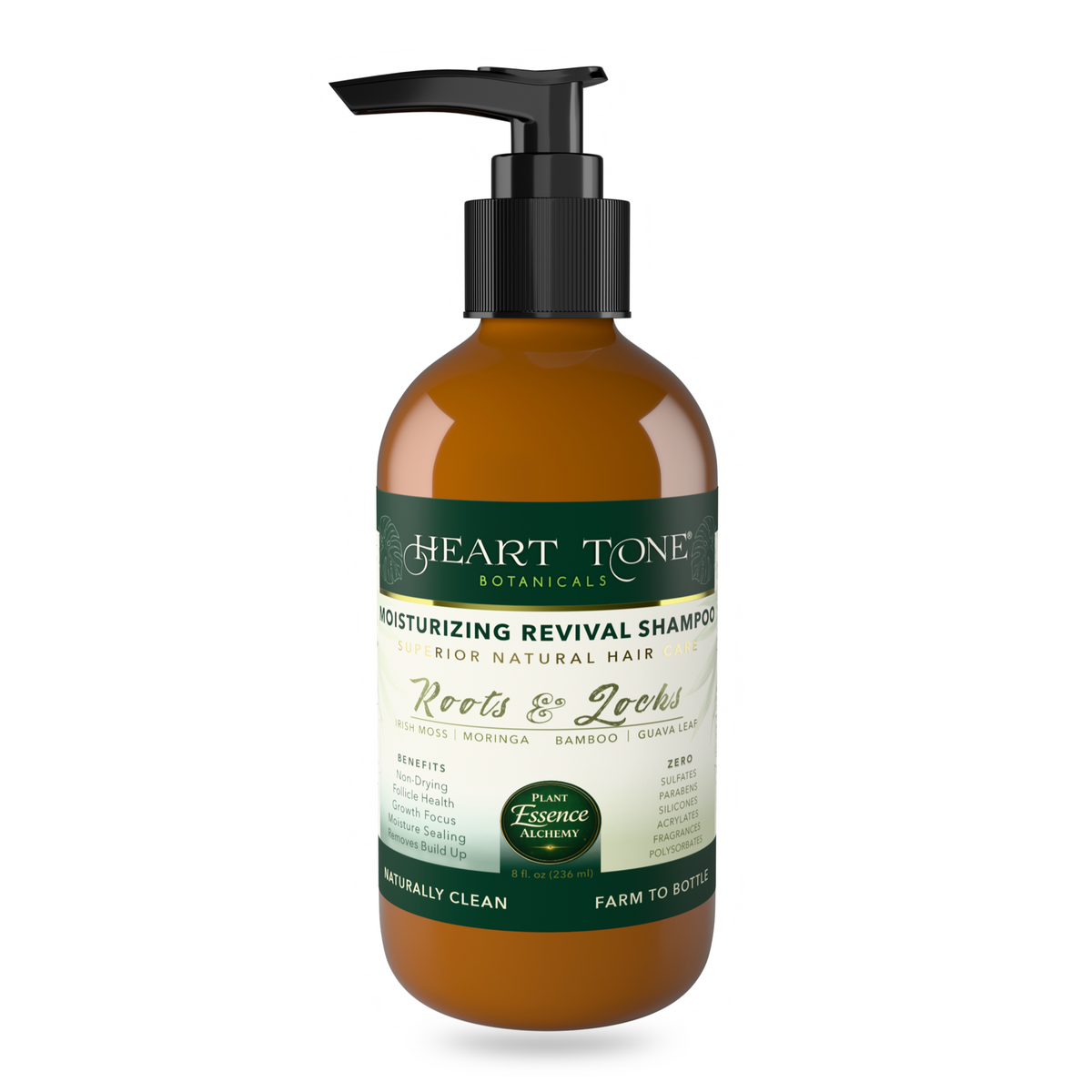
Once your wait is up, the Roots & Locks Moisturizing Revival Shampoo is formulated with coco taurate and coco betaine — gentle, sulfate-free cleansers — along with a lactic acid and sodium citrate base, so it cleanses the scalp without the harsh lifting action that can pull fresh color out of the hair shaft. Pair it with the Roots & Locks Moisturizing Revival Conditioner, made with organic shea nut butter and botanical leaf extracts, to leave hair feeling soft and easy to comb after every wash.
Explore the full natural hair care collection for the rest of a gentle, color-conscious wash-day routine.

Leave a comment
This site is protected by hCaptcha and the hCaptcha Privacy Policy and Terms of Service apply.