












The Short Answer: Co-Washing Is a Lighter Cleansing Approach — and for Some Hair Types, It Changes Everything

If you've been experimenting with natural hair care, you've probably come across the term co-washing. It sounds simple — and it is — but the logic behind it matters. Co-washing means using conditioner to cleanse your hair instead of shampoo. No lather, no traditional surfactant wash. Just conditioner, water, and a gentle scalp massage.
It's not a shortcut or a lazy substitute for washing. For certain hair types, co-washing is a deliberate technique that leaves hair looking and feeling noticeably different than it would after a conventional shampoo wash.

Who Co-Washing Is For
Co-washing isn't for everyone — and knowing whether it fits your hair type is the most important part of the conversation.
Co-washing tends to work well for:
- Curly and coily hair types — tightly coiled curl patterns tend to feel drier because the natural oils from the scalp travel slowly down the hair shaft. Frequent shampoo washing can leave these hair types feeling stripped of moisture.
- Very dry or low-porosity hair — when hair has low porosity (tightly closed cuticles), it takes more effort to introduce and retain moisture. A conditioner-based wash keeps the hair's moisture balance more intact between full shampoo washes.
- Color-treated hair — hair that has been colored or chemically treated tends to feel drier and more fragile. A gentler cleansing routine can help the hair look and feel healthier between deeper washes.
- Anyone transitioning from conventional to natural hair care — the shift away from sulfate-based shampoos often comes with a transition period where the scalp recalibrates. Some people incorporate co-washing during this phase.
Co-washing tends to be less well-suited for fine, straight, or oily hair types. If your hair gets weighed down easily or your scalp produces oil quickly, a regular shampoo wash is likely a better routine anchor.
What Happens When Sulfate Shampoos Cleanse
Traditional shampoos often use surfactants like sodium lauryl sulfate (SLS) or sodium laureth sulfate (SLES) to produce a lathering wash that lifts oil and buildup from the scalp and hair. This is effective at deep-cleaning, but for drier hair types, it can also leave the hair feeling stripped after washing.
Sulfate-free shampoos use gentler, plant-derived surfactants and produce a softer lather that cleanses without the same intensity. Co-washing goes one step further: the conditioner itself does the light lifting, using emollients and plant-based conditioning ingredients to loosen debris while leaving the hair's natural moisture more intact between deeper washes.
Neither approach is universally better. They serve different hair types and different cleansing needs.

How to Co-Wash: A Simple Step-by-Step
- Wet hair thoroughly — more thoroughly than you might with a regular shampoo wash. The water does a significant amount of the rinsing work in a co-wash.
- Apply conditioner generously — especially at the roots and scalp, where buildup tends to accumulate. Use more than you would in a standard conditioning step.
- Massage the scalp with your fingertips — spend a full minute or two working the conditioner into the scalp. The movement and emollients in the conditioner help loosen dirt and oil from the scalp surface.
- Work conditioner through mid-lengths and ends — section hair if needed and make sure the conditioner reaches all the way through.
- Let it sit briefly — most people leave the conditioner in for 3–5 minutes before rinsing. Some leave it longer for a deeper conditioning effect.
- Rinse thoroughly with cool water — rinse until the water runs clear. A thorough rinse is important when co-washing because conditioner is heavier than shampoo and residue can weigh the hair down.
- Style as usual — co-washed hair is typically softer and easier to work with immediately after rinsing. Apply your leave-in, oil, or styling products while the hair is still damp.
Most people who co-wash don't do it every single wash. A common pattern is co-washing two to three times per week and doing a full shampoo wash once every one to two weeks. This balance keeps the scalp clean while giving the hair longer intervals of moisture retention between full washes.
What to Look for in a Conditioner for Co-Washing
Not every conditioner is a good candidate for co-washing. Here's what to look for on the label:
- Free of silicones — silicones (ingredients ending in -cone, -conol, or -siloxane) coat the hair shaft and can accumulate with repeated use without a sulfate shampoo to clear them. For co-washing to work long-term, a silicone-free formula is essential.
- Plant-derived conditioning agents — look for ingredients like shea butter, coconut milk, and vegetable glycerin that provide softness through natural emollients rather than synthetic film-formers.
- Botanical extracts at meaningful concentrations — a conditioner built primarily on water with trace botanical extracts won't deliver the same experience as one where plants appear near the top of the ingredient list.
- Free of parabens and synthetic preservatives — if you're building a botanical routine, the preservative system matters as much as the active ingredients.
- No synthetic fragrance — added synthetic fragrance is one of the most common sources of scalp sensitivity. A conditioner scented only with essential oils gives you a cleaner experience.
Botanical Ingredients With a History in Hair Care
Papaya Leaf Extract
Papaya has been used in traditional botanical body care for generations, particularly across tropical regions where the plant grows abundantly. In hair care formulas, papaya leaf extract contributes a fresh, lightweight botanical character.
Moringa Leaf Extract
Moringa is one of the most widely used botanicals in traditional personal care. Its history of use in beauty and body care traditions spans centuries across South Asia and East Africa. It brings a rich, botanical quality to formulas where it appears.
Aloe Vera Leaf Juice
Few ingredients have a longer, more consistent tradition in personal care than aloe vera. Valued for its cooling, soothing sensation, aloe leaf juice is a natural fit for hair care formulas — particularly those designed for hair types that tend to feel dry between washes.
Organic Shea Nut Butter
Shea butter has been used in West African beauty traditions for centuries. In conditioners, it contributes to a rich, emollient feel that leaves hair feeling noticeably softer and more comfortable after rinsing. It's one of the most recognized natural moisturizing ingredients in botanical hair care.
Irish Moss Extract
Irish moss (sea moss) has a long tradition of use in botanical body care, particularly in coastal and Caribbean communities. In hair formulas, it contributes a lightweight, hydrating feel that works well in a conditioner-based cleansing routine.
When to Use Shampoo Instead of Co-Washing
Co-washing works best as part of a balanced routine — not as a complete replacement for shampoo. There are situations where a full shampoo wash is the right call:
- After extended use of heavy styling products — butters, creams, and oils can accumulate at the scalp and resist conditioner-only cleansing. A shampoo wash every week or two clears the slate.
- If your scalp feels itchy, heavy, or congested — these are signals that buildup is exceeding what a co-wash can address.
- After swimming in chlorinated water or exposure to heavy environmental buildup — a shampoo wash is better suited for deeper removal.
- Before a deep conditioning treatment — a clean scalp helps the treatment work more effectively.
A sulfate-free shampoo with gentle, plant-derived surfactants is a good complement to a co-washing routine. It gives you the option to do a full cleanse when you need it, without the stripping sensation that can come with conventional sulfate formulas.
The Bottom Line
Co-washing is a straightforward technique for hair types that benefit from lighter, more frequent cleansing without the intensity of traditional shampoo. It works best when you choose a conditioner that's silicone-free, built on real botanical ingredients, and free of synthetic additives — and when you pair it with occasional full shampoo washes to keep the scalp clean.
The most important thing is reading your own hair. If co-washing leaves your hair looking and feeling its best, it's working. If it starts to feel heavy or weighed down, adjust your shampoo-to-co-wash ratio and check whether styling product buildup is accumulating.
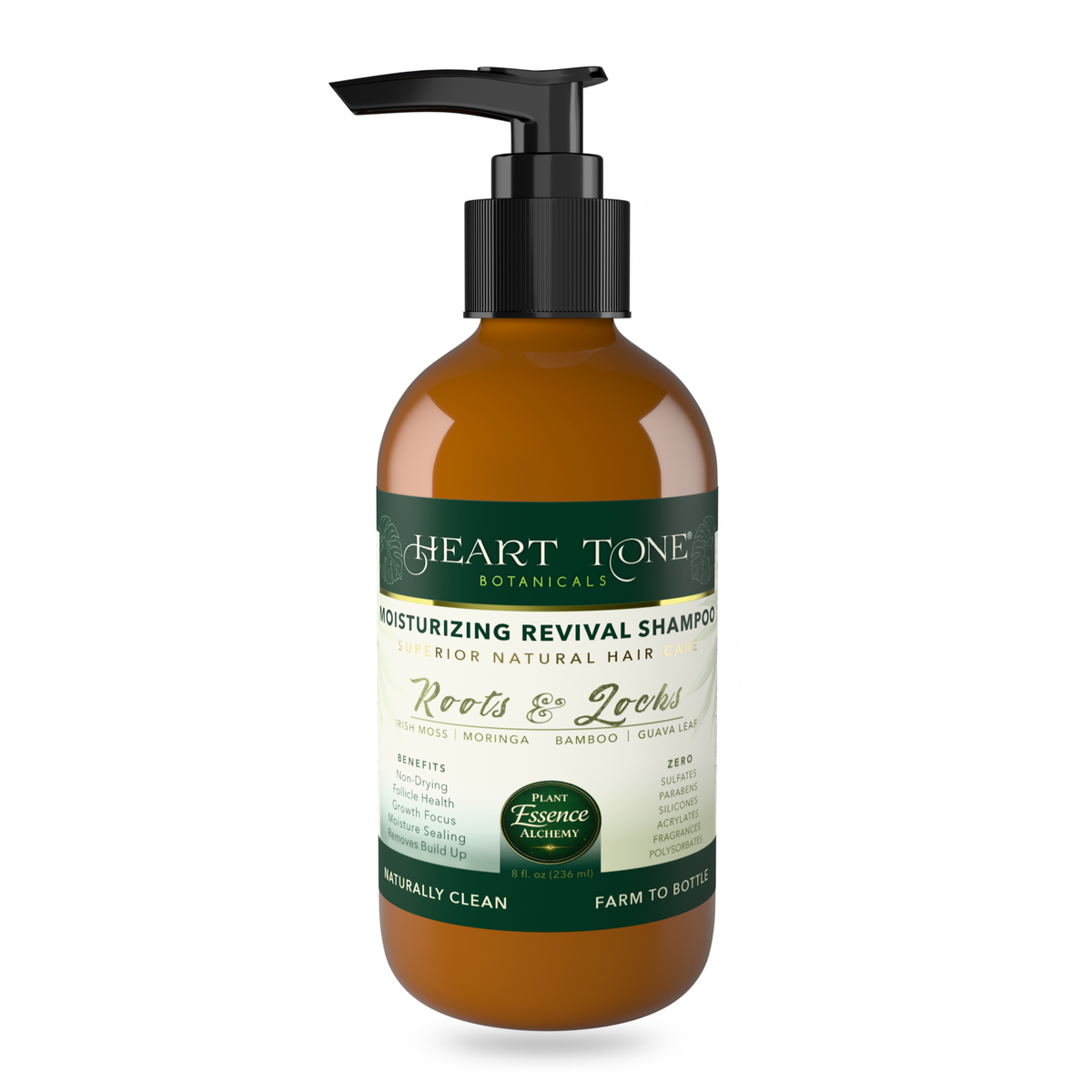
If you're building a botanical co-washing routine, the Roots & Locks Moisturizing Revival Conditioner is formulated with papaya, moringa, neem, guava, and aloe botanical extracts, organic shea nut butter, and Irish moss — silicone-free, paraben-free, and without synthetic fragrance. For wash days when a full cleanse is the right move, the Roots & Locks Moisturizing Revival Shampoo uses gentle, coconut-derived surfactants — no sulfates, no synthetic additives. Explore the full Hair Care collection to see both.

Leave a comment
This site is protected by hCaptcha and the hCaptcha Privacy Policy and Terms of Service apply.