












What Co-Washing Is — and Why So Many Natural Hair Routines Include It

If you spend any time in the natural hair community, you've probably come across the term co-washing. Short for "conditioner washing," co-washing is the practice of cleansing the hair and scalp using conditioner instead of — or in rotation with — traditional shampoo. The idea isn't complicated: replace a stripping cleanse with a gentler, moisture-preserving wash.
For some hair types, co-washing isn't just a trend — it's a core part of how they manage moisture and texture throughout the week. Whether you're exploring it for the first time or looking to refine your routine, here's what actually matters when choosing a botanical formula for co-washing.
Who Co-Washing Is For
Co-washing tends to be most common among people with naturally curly, coily, or textured hair — hair types that tend to be drier and can lose moisture quickly with frequent shampooing. Dry, high-porosity, and chemically processed hair are often mentioned in the same conversation.
That said, co-washing isn't limited to one hair type. Many people with wavy or combination hair co-wash between shampoo sessions to extend the life of their styling without over-cleansing. The common thread is a preference for preserving natural moisture rather than stripping it away.
Co-washing does not replace shampoo entirely for most people. Most co-wash routines alternate between a gentle botanical shampoo session and conditioning-only washes, depending on how often the hair genuinely needs a fuller cleanse.
What to Look for in a Botanical Co-Wash Formula
Not every conditioner is designed for co-washing. A formula that works well in a co-wash routine tends to have a few distinct qualities:
Gentle Plant-Derived Conditioning Agents — Without Harsh Surfactants
Conventional shampoos often rely on sulfates to create lather and remove buildup. For a co-wash routine, you want a formula built around plant-derived conditioning agents that can help lift surface buildup and product residue without stripping the hair's natural oils. The goal is a clean-feeling result — without the squeaky sensation that can leave textured hair feeling dry and brittle between washes.
Slip and Detangling Ability
A good co-wash formula needs enough slip to work through textured hair without pulling or breaking. Look for conditioners that feel smooth and workable from root to tip. The gliding, slippery sensation as you work the product through wet hair is a reliable indicator of whether a formula will make detangling manageable.
Botanical Extracts With a Long History in Hair Care
Traditional botanical hair care draws on a rich history of plant ingredients that have been used for generations — long before synthetic conditioning agents entered the picture. A few worth knowing:
Papaya Leaf — papaya leaf has been used in traditional botanical hair care across tropical regions for generations. In a conditioner formula, it contributes a lightweight, conditioning feel that works well for fine and textured hair alike.
Moringa Leaf — moringa has been cultivated and used in Ayurvedic and African herbal traditions for centuries. Its leaf extract brings a rich, nourishing character that has made it a sought-after ingredient in botanical hair formulas around the world.
Aloe Vera — aloe vera is one of the most widely used botanical ingredients in hair care, with traditional use spanning thousands of years. It's valued for its smooth, non-drying feel and its compatibility with all hair types. Farm-grown aloe, specifically, has a fresher character than preserved commercial varieties.
Irish Moss Extract — Irish moss is a traditional seaweed botanical with a long history in coastal hair and skin care traditions. Its naturally gel-like texture contributes to a slip-rich formula that works particularly well for textured and coily hair types.
Neem Leaf — neem leaf has been used in traditional hair care across South Asia for generations, where it has long been a botanical scalp staple. In a conditioner formula, it adds a grounding, herbal character to the overall botanical blend.
Shea Nut Butter — organic shea nut butter is a traditional West African emollient with centuries of use in hair and skin care. Its rich, creamy texture contributes to a deeply moisturizing feel — one of the main reasons it's found in conditioners designed for dry and textured hair types.
No Buildup-Causing Silicones
For a co-wash routine to work long-term, the formula itself should not create the problem it's trying to solve. Many conventional conditioners rely on silicones (dimethicone, amodimethicone, cyclomethicone) to deliver slip and shine — but silicones accumulate on the hair shaft over time and typically require a sulfate shampoo to remove fully. If you're co-washing to avoid harsh cleansers, a silicone-heavy conditioner undercuts the point. Look for formulas that rely on plant-derived emollients instead.
No Mineral Oil or Petroleum Derivatives
Similar to silicones, mineral oil and petrolatum can coat the hair and create a barrier that blocks moisture from moving freely — a particular concern for high-porosity and naturally dry hair types. A botanical co-wash formula is better built on plant oils and butters for their emollient and conditioning character.
What Makes a Co-Wash Routine Fall Short
The most common reason co-washing doesn't work is product mismatch. Using a heavy conditioning formula not designed for co-washing can lead to buildup, limp roots, or an unwashed feeling at the scalp even after rinsing. A few things to watch for:
- Silicone buildup — a co-wash formula with silicones will require a clarifying wash more frequently than most co-wash routines intend
- Insufficient scalp focus — co-washing works best when the conditioner is thoroughly worked into the scalp, not just applied to the lengths
- Skipping shampoo entirely, long-term — most hair types benefit from a fuller shampoo cleanse periodically to clear mineral buildup from hard water, product residue, and accumulated sebum
- Using a formula too heavy for your hair type — not every rich conditioner is designed to double as a co-wash; hair density, porosity, and scalp oiliness all factor into which formula works
Building a Co-Wash Rotation That Works
A practical co-wash rotation looks something like this: on most wash days, co-wash with a botanical conditioner that cleanses gently while delivering moisture. Every one to two weeks — depending on your hair type, styling frequency, and water's mineral content — follow with a full botanical shampoo cleanse to reset the scalp and remove any accumulated buildup.
The balance is the point. Co-washing doesn't mean abandoning shampoo — it means reaching for a gentler cleanse more often, while reserving a full shampoo for when your hair genuinely needs it.
The Bottom Line
Co-washing works well for many hair types, particularly natural, curly, and dry hair that tends to lose moisture quickly with frequent shampooing. The right formula matters: look for plant-derived conditioning agents, botanical extracts with a long history in hair care, enough slip to work through textured strands, and an ingredient list free of silicones and mineral oil.
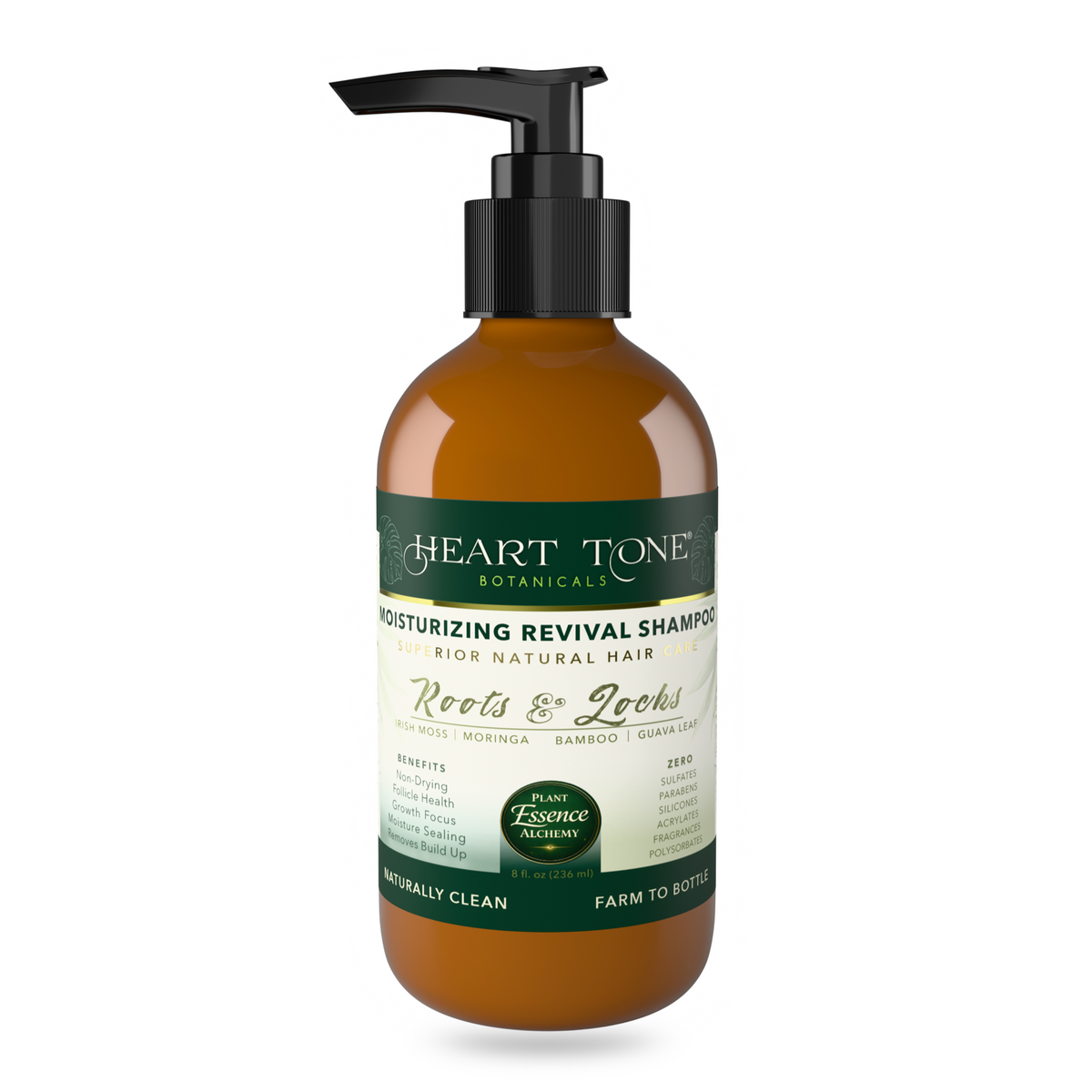
For a botanical option, the Roots & Locks Moisturizing Revival Conditioner is formulated with papaya leaf, moringa, neem, farm-grown aloe vera, Irish moss, organic shea nut butter, and a full blend of botanical extracts — with no silicones or mineral oil. On shampoo days, pair it with the Roots & Locks Moisturizing Revival Shampoo for a complete botanical wash-day routine. Explore the full Hair Care collection.

Leave a comment
This site is protected by hCaptcha and the hCaptcha Privacy Policy and Terms of Service apply.