

If you've ever flipped over a conditioner bottle and tried to decode the ingredient list, you've probably encountered names like behentrimonium chloride or Polyquaternium-10 — and maybe newer entries like Brassica Alcohol and Brassicyl Valinate Esylate. These aren't random chemical names. They represent two fundamentally different philosophies in hair conditioning.

One is conventional chemistry — synthetic, time-tested, and once considered the only option for serious conditioning. The other is a newer, plant-derived approach built from amino acids and seed oils. Both can give you soft, detangled hair. But they don't work the same way, and the difference matters — especially if you're trying to move toward cleaner, farm-to-bottle personal care.
What Does a Conditioner Actually Do?
Hair — especially damaged or color-treated hair — carries a slight negative electrical charge on its surface. Conditioning agents are cationic (positively charged), so they're attracted to the hair shaft and deposit a thin film that smooths the cuticle, reduces friction and combing resistance, locks in moisture, and cuts down on breakage and frizz.
The question isn't whether a conditioner works. The question is what it deposits, how it feels, and what it leaves behind.
The Conventional Side: Behentrimonium Chloride & Polyquaternium
Behentrimonium Chloride (BTAC)
Behentrimonium chloride is a quaternary ammonium compound — a "quat" — with a long C22 fatty chain. It's been the go-to conditioning agent in mainstream hair care for decades. As a standalone ingredient it does its job, but it comes with real tradeoffs.
Pros:
- Strong detangling and slip
- Reliable frizz control
- Long track record — well-studied at cosmetic use levels
Cons:
- Can weigh hair down over time — fine and medium hair especially
- Higher buildup potential with repeated use
- Synthetic, petroleum-derived chemistry — not compatible with clean or natural certification
- Less biodegradable; aquatic toxicity concerns
- Works in isolation — it's a workhorse ingredient, not a botanical synergy
Polyquaternium
Polyquaterniums are positively charged synthetic polymers that coat the hair shaft and form a thin film. There are dozens of types — some lighter, some heavier — but their shared characteristic is strong electrostatic bonding to hair.
Pros:
- Frizz control and humidity resistance
- Curl definition and hold in styling products
- Anti-static properties
Cons:
- Cumulative buildup — a real and documented problem, especially for low-porosity or fine hair
- Some polyquats bond so strongly that even clarifying shampoos struggle to remove them
- Symptoms of buildup: hair feels "webby," coated, stiff, or strangely dry despite conditioning
- Fully synthetic — no natural or clean certifications
- Ongoing discussion around aquatic toxicity
The Plant-Based Side: Brassica Alcohol & Brassicyl Valinate Esylate
This combination represents a newer generation of conditioning technology built entirely from renewable, plant-derived sources.
- Brassica Alcohol is a fatty alcohol derived from Brassica napus (rapeseed) seed oil — a long-chain emollient that helps form the conditioning structure in the formula.
- Brassicyl Valinate Esylate (BVE) is an amino lipid derived from valine — an essential amino acid naturally found in the hair and skin — combined with the Brassica fatty chain.
Together, they form lamellar liquid crystal structures in conditioner formulas — self-organizing layers that deposit efficiently on the hair shaft and behave like the hair's own lipid structure.
Pros:
- 100% biobased — derived from amino acids and seed oil, not petrochemicals
- COSMOS-approved, NSF/ANSI 305 compatible — certifiably natural and clean
- Quat-free — no quaternary ammonium compounds
- Readily biodegradable and non-toxic to aquatic life
- Palm-free and non-GMO
- Detangling performance equal to BTAC — a peer-reviewed study (Ajayi et al., 2023) showed BVE reduced combing force by 97.81%, on par with behentrimonium chloride
- Hair strengthening — supplier testing shows 54% increase in hair strength (rinse-off format) and 59% (leave-in), with measurable reduction in breakage
- Lighter feel — conditions without heavy coating, better volume retention
- Heat protection properties
Cons:

- Newer and less universally available than traditional quats
- Formulation-sensitive — the full benefit depends on how the ingredient is paired and at what concentration
The Part the Research Doesn't Capture: Botanical Synergy
Here's what the ingredient-by-ingredient comparison misses: conditioning isn't just about a single cationic agent.
In an isolated lab test comparing BVE against BTAC, you're measuring one variable. In a real formula — especially one built around rare, beyond-organic botanicals — every ingredient interacts. The plant oils, herbal extracts, and amino-rich botanicals in a well-formulated conditioner compound the conditioning effect in ways that no single ingredient chart captures.
This is where the plant-based approach has a structural advantage. A formula built around Brassica Alcohol and BVE isn't just swapping out BTAC for a greener alternative. It's a foundation designed to work with the rest of the botanical ingredient stack — creating synergistic slip, moisture retention, and frizz defense that a quat-heavy formula, working in relative isolation, often can't match.
For thick, coarse, and curly hair — the hair types that conventional conditioning wisdom said required the heaviest quats — a synergistic botanical formula can deliver equal or superior slip and frizz control, without the weight, buildup risk, or synthetic chemistry.
Who Should Reach for Which?
A Brassica/BVE-based botanical formula is the better choice if you:
- Have thick, coarse, curly, or natural hair and want genuine frizz control and slip — without conventional quats
- Want conditioned hair with body rather than a heavy, coated feel
- Are dealing with breakage and want measurable strengthening
- Care about what goes down the drain — and what accumulates on your scalp
- Are transitioning from conventional hair care and want something that actually performs
Behentrimonium chloride may still be found in many mainstream formulas if:
- You're looking at conventional mass-market products that haven't made the shift to plant-based conditioning chemistry
- Certification, sustainability, or clean beauty aren't priorities for you
Why This Matters for Clean Hair Care
For years, the assumption was that heavy-duty conditioning meant heavy-duty synthetic chemistry. The research behind BVE — and the formulation experience of brands building with it — is changing that.
You can get comparable (and in synergistic formulas, superior) detangling, frizz control, and hair strength using chemistry derived from valine and rapeseed oil. Chemistry that biodegrades cleanly. Chemistry that comes from a certified-natural supply chain.
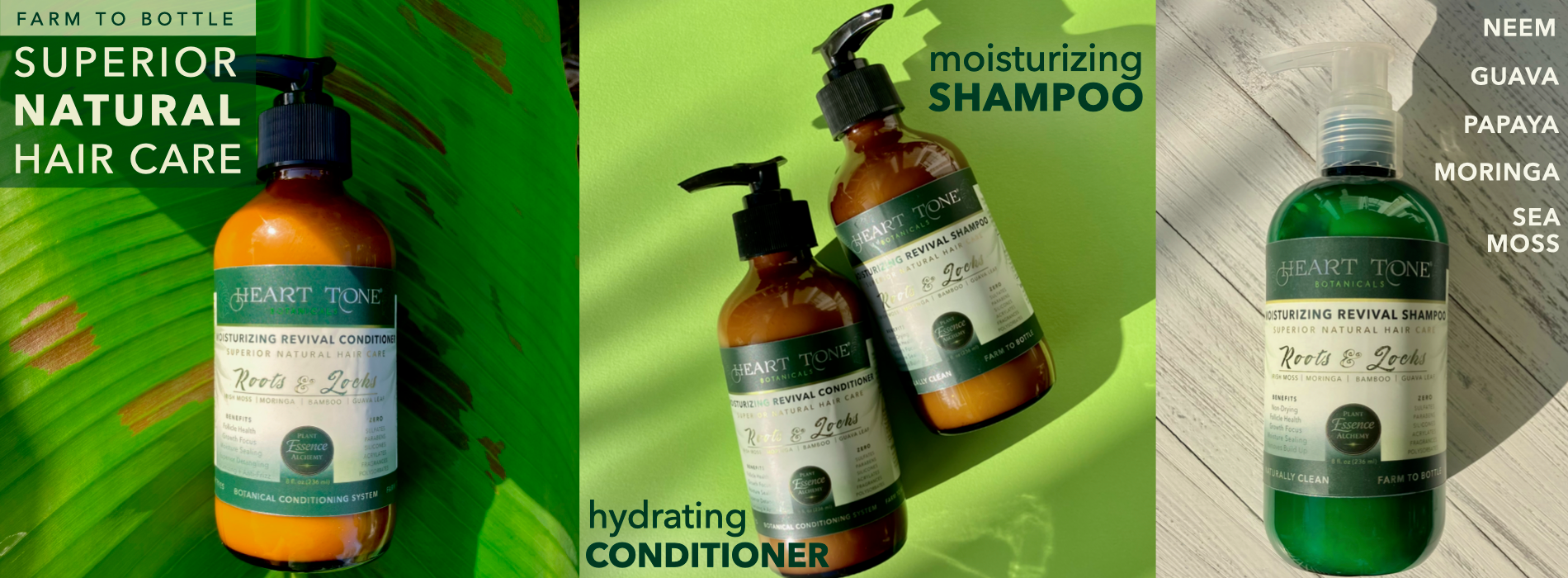
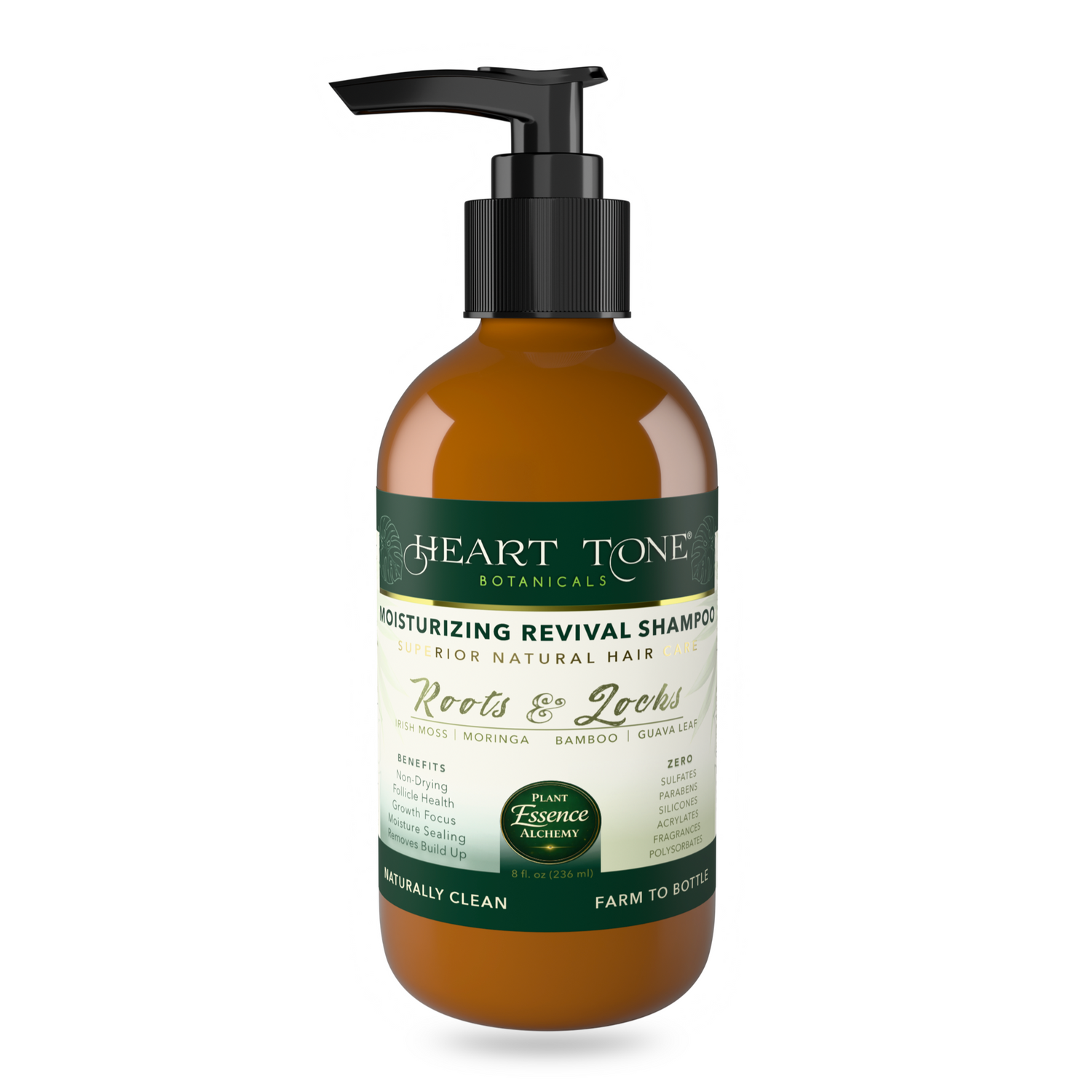
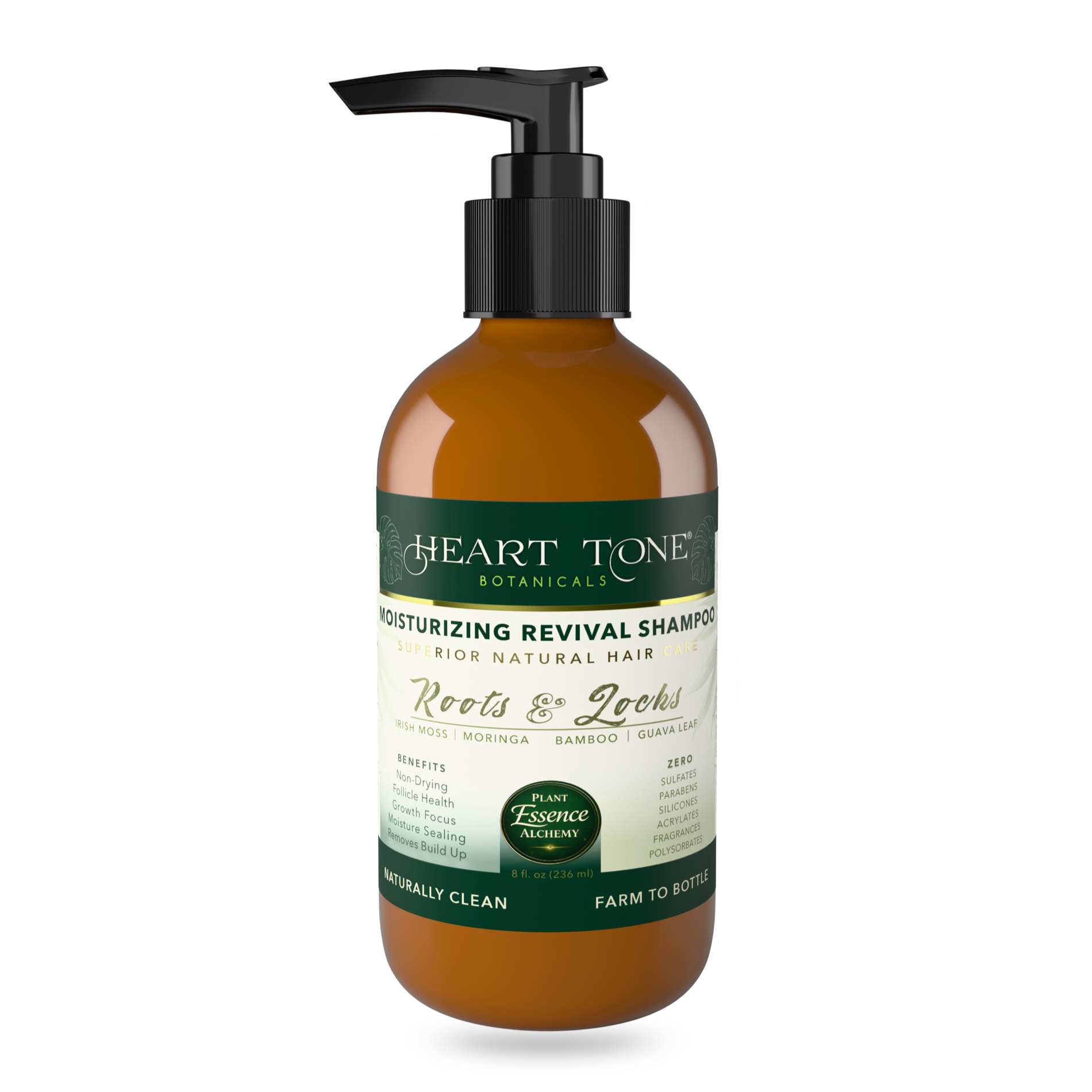
At Heart Tone Botanicals, this isn't a compromise or a marketing claim — it's the formulation philosophy behind our Roots & Locks Moisturizing Revival Conditioner. Thick, coarse, curly hair included. Farm-to-bottle values, all the way down to the conditioning base.
The Bottom Line
Behentrimonium chloride and polyquaternium condition hair. But they do it with synthetic chemistry, buildup risk, and no botanical synergy.
Brassica Alcohol and Brassicyl Valinate Esylate — especially when paired with a full botanical formula — can match or exceed that conditioning performance for all hair types, including thick and coarse, while delivering a cleaner, lighter, stronger result.
The choice isn't just about your hair. It's about what ends up in the water — and what stays in your hair between washes.
Explore the full Heart Tone Botanicals hair care line at htbotanicals.com.

Leave a comment
This site is protected by hCaptcha and the hCaptcha Privacy Policy and Terms of Service apply.