












The Short Answer: Elbows, Knees, and Heels Need a Thicker Formula Than the Rest of Your Body

Most body lotions are built for one job: a light layer over damp skin after a shower. That's fine for your arms and legs, but it rarely does much for the rough patches — elbows, knees, and heels — that seem to stay dry no matter how often you moisturize. There's a simple reason for that, and it comes down to the skin itself, not how often you're applying product.

Why Elbows, Knees, and Heels Get Rough in the First Place
The skin over elbows, knees, and heels is structurally different from the skin on the rest of your body. It's thicker, has fewer oil glands, and moves and flexes constantly — which means it loses moisture faster than it can hold onto it. Add friction from resting your elbows on a desk, kneeling, or walking barefoot, and these spots end up looking dry, flaky, and rough well before anywhere else does.
A thin, watery lotion sits on the surface for a few minutes and then it's gone. These areas typically respond better to something with real body to it — an ingredient profile built around butters and oils rather than mostly water.
What to Look For in a Formula for Rough Patches
- Butters, not just oils — shea butter and similar plant butters are solid at room temperature and melt on contact with skin, which lets them sit on the surface longer than a thin oil or lotion.
- A short, honest ingredient list — the fewer fillers between you and the butter, the more of the actual moisturizing ingredient reaches your skin.
- Skip added fragrance on very dry, flaky patches — that skin tends to be more reactive, and fragrance is one of the most common triggers for a reactive response on skin that already feels compromised.
- A texture you'll actually reapply — the richest formula in the world doesn't help if it feels too heavy to use daily. Look for something that feels rich going on and settles into a non-greasy finish.
Shea Butter, Kokum Butter, and Meadowfoam Seed Oil: What Each One Brings to a Body Butter
Shea Butter
Shea butter has a centuries-long history of use in West African skincare traditions, where it was traditionally applied to protect skin from sun, wind, and dry conditions. It's rich in fatty acids and has a naturally thick, buttery texture that softens at body temperature — which is part of why it's become the base ingredient in most serious body butter formulas rather than a novelty addition.
Kokum Butter
Kokum butter is harder and more brittle than shea on its own, which is exactly why formulators blend it in — it adds structure to a body butter's texture without making it greasy, and it has a long tradition of use in South Asian skincare for very dry, rough skin.
Meadowfoam Seed Oil
Meadowfoam seed oil is notable for its exceptional shelf stability compared to most plant oils, and it has a light, silky feel that keeps a butter-based formula from feeling too heavy despite the richness of the shea and kokum butters underneath it.
How to Actually Use Body Butter on Elbows, Knees, and Heels
- Apply right after a shower or bath, while skin is still slightly damp. Body butter works with the water already on your skin rather than trying to hydrate completely dry skin from scratch.
- Warm a small amount between your palms first. Butter-based formulas soften with body heat, which makes them easier to work into rough, textured skin than straight from the jar.
- Go heavier on the trouble spots. Elbows, knees, and heels can handle — and usually need — a thicker layer than the rest of your body.
- Reapply before bed. An overnight layer on heels especially (with socks over top) gives the butter time to sit on the skin without being immediately rubbed or walked off.
- Be consistent. Rough patches built up over weeks or months of dryness and friction don't change overnight — daily use matters more than how much you apply any single time.
What About Exfoliating First?
Body butter moisturizes what's already on the surface — it doesn't remove built-up rough or flaky texture underneath. A gentle exfoliating step beforehand, like a wash formulated for texture, can help clear the way so the butter has fresher skin to work with. Traditional Moroccan black soap, made with olive oil, has long been used as a gentle full-body exfoliating step in hammam rituals before a rich moisturizer goes on.
The Bottom Line
Rough patches on elbows, knees, and heels aren't a sign you're doing something wrong — that skin is simply built differently and loses moisture faster than the rest of your body. A butter-based formula with real melt-in richness, applied consistently and layered onto damp skin, is a better match for these areas than a light lotion alone.
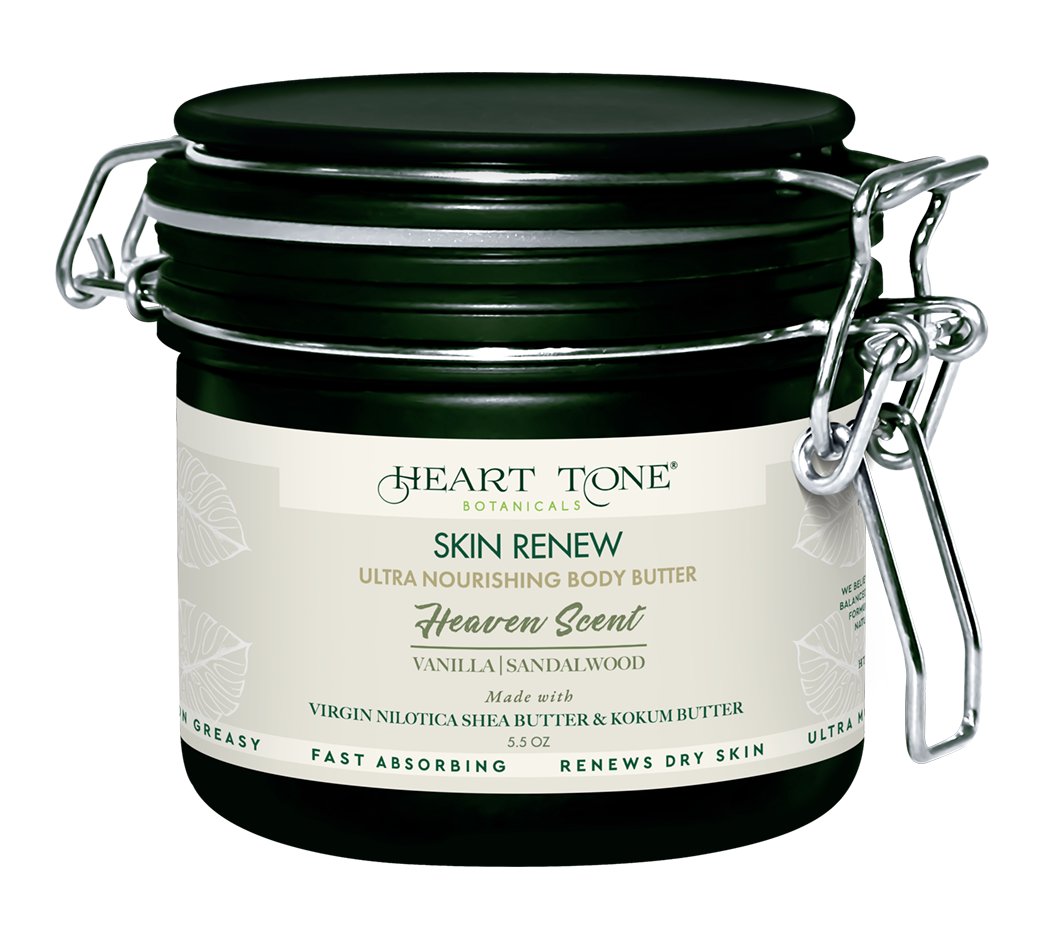
If you're looking for a body butter built around this kind of formula, Botanical Renew Body Butter from Heart Tone Botanicals is made with shea butter, kokum butter, and meadowfoam seed oil for a rich, non-greasy finish. For a lightweight, fast-absorbing option to layer on other areas of the body, Botanical Skin Gel is worth exploring as a complement. You can browse the full natural body care collection for the rest of a botanical routine.

Leave a comment
This site is protected by hCaptcha and the hCaptcha Privacy Policy and Terms of Service apply.