

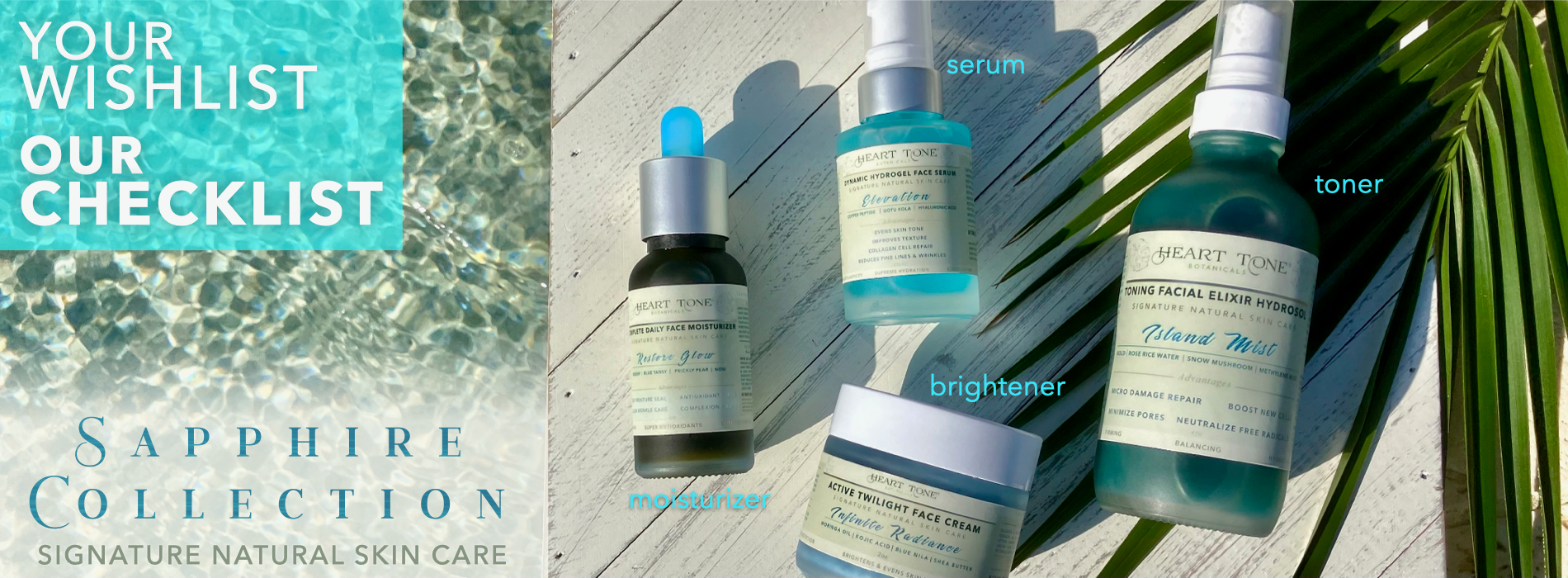
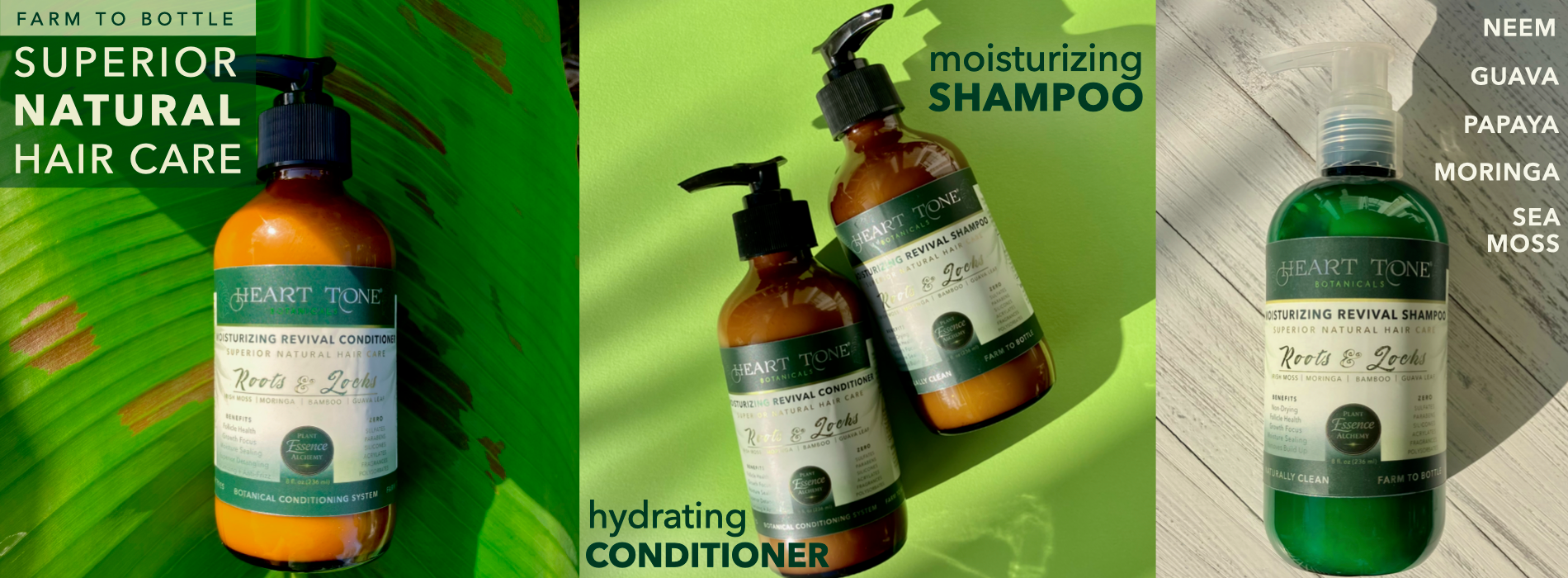
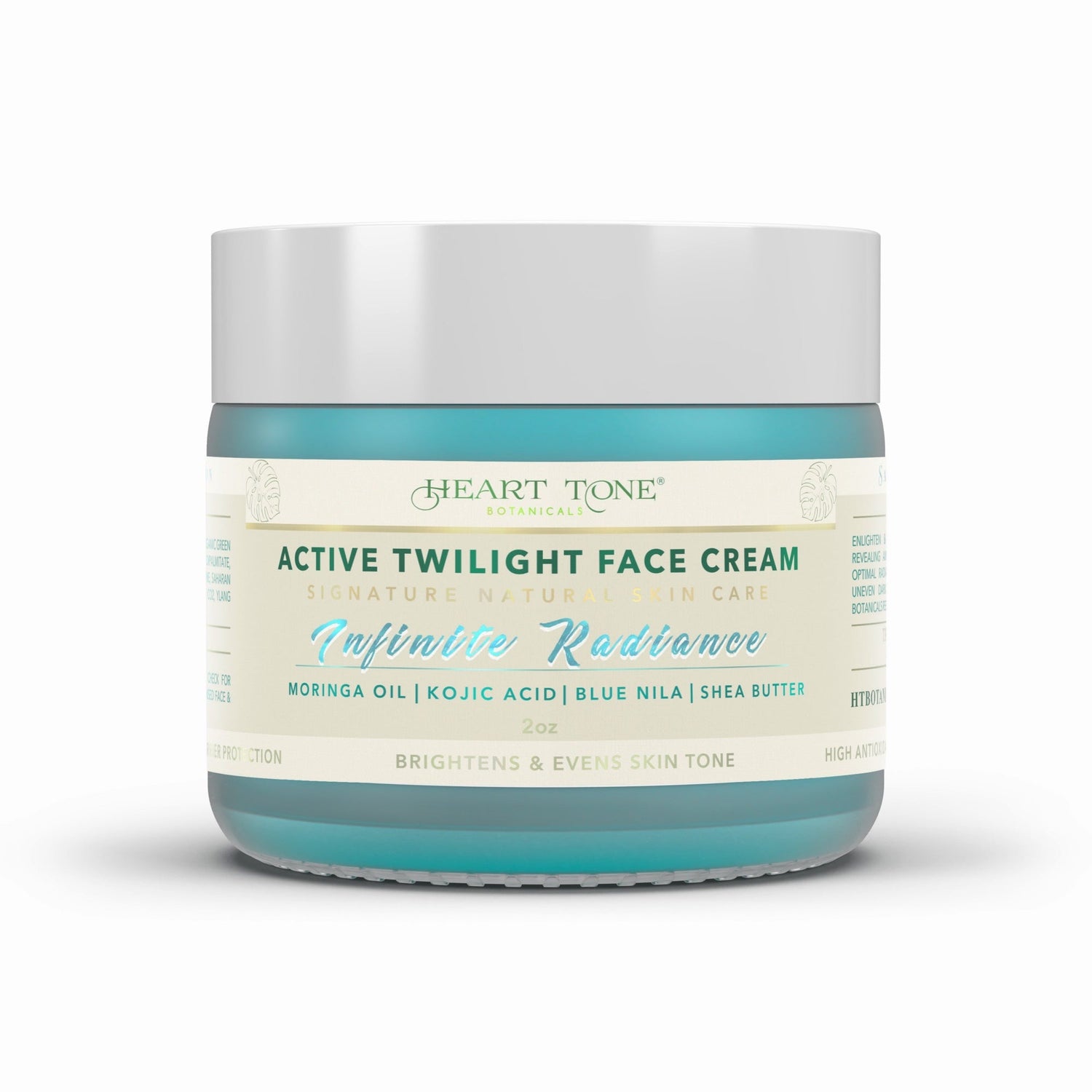
Walk down any personal care aisle — or scroll through any beauty brand's Instagram — and you'll see it everywhere. "Natural." "Pure." "Farm-sourced." "Clean beauty." "Made with organic botanicals." The packaging is earthy. The fonts are hand-lettered. The colors are green and cream and gold.

But look closer at the ingredient list, and the story often changes.
Cosmetic greenwashing — the practice of using natural-sounding language to market products that aren't — is one of the most widespread forms of consumer deception in the personal care industry. It's legal. It's profitable. And most people have no idea it's happening.
The "Natural" Loophole
Here's the uncomfortable truth: in the United States, "natural" has no legal definition for cosmetics. The FDA does not require any minimum percentage of natural ingredients to use the word on a label. There is no standard. No threshold. No enforcement.
This means a brand can:
- Build a formula that is 95% synthetic surfactants, silicones, and lab-made preservatives
- Add a token drop of lavender extract or aloe
- Put "Natural Formula" on the front of the bottle in large green lettering
- Do all of this completely legally
The word "natural" on a personal care product is a marketing claim — nothing more. It tells you nothing about what percentage of the formula is actually plant-derived, how those ingredients were grown, or whether any meaningful amount of anything natural is actually in the product.
The "Organic" Illusion
Organic is more regulated — but not in the way most people assume.
Here's a common tactic: a conditioner contains 1% certified organic argan oil. The other 99% of the formula is water, synthetic conditioning agents, synthetic fragrance, and petroleum-derived preservatives. The front of the bottle reads:
"With Certified Organic Argan Oil"
That statement is technically true. And completely misleading.
Consumers read "with organic [ingredient]" as "this is an organic product." Brands know this. The statement is designed to create exactly that impression. But you bought a product that is 1% organic and 99% conventional chemistry — and paid a premium for the perception of something it isn't.
The same applies to "made with organic botanicals," "infused with organic extracts," and similar front-of-pack phrasing. These claims spotlight a minor ingredient while the bulk of the formula stays hidden in fine print.
What's Actually in "Clean" Products
Even brands positioned firmly in the "clean beauty" space routinely contain:
- Synthetic preservatives — phenoxyethanol, ethylhexylglycerin, and various parabens remain common even in "natural" lines
- Silicones — dimethicone, cyclopentasiloxane, amodimethicone — coating the hair or skin with a synthetic film that mimics moisturization without delivering it
- PEGs (polyethylene glycols) — petroleum-derived compounds used as emulsifiers and penetration enhancers, often listed as PEG-40, PEG-100, or similar
- Synthetic surfactants — harsh cleansing agents derived from petrochemicals, dressed up with natural-sounding product names
- Fragrance — a single word that can legally conceal dozens or hundreds of undisclosed synthetic chemicals, including known allergens and endocrine disruptors
None of these are inherently dangerous at regulated use levels. But none of them are natural. And selling products containing them under a natural or clean positioning is, at minimum, dishonest.
The Fragrance Loophole: The Biggest Hidden Trap
The word "fragrance" (or "parfum") on an ingredient list is a legal black box. Under current U.S. law, brands are not required to disclose what chemicals make up their fragrance blend. A single ingredient listing of "fragrance" can contain anywhere from a handful to several hundred individual compounds — many of which have never appeared on the label you read.
This loophole is actively exploited in "natural" products. A brand can claim "no harsh chemicals" while hiding a complex synthetic fragrance behind one word. Consumers who are specifically avoiding certain ingredients — allergens, phthalates, synthetic musks — have no way to know they're present.

If a "natural" product lists "fragrance" or "parfum" without further disclosure, that's a red flag worth taking seriously.
"Farm to Bottle" — What It Actually Means vs. What Brands Say
The farm-to-bottle positioning is appealing because it implies a direct, traceable connection between a plant in the ground and the product in your hand. But most brands using this language have never grown anything.
The reality for most "farm-to-bottle" brands:
- Ingredients are purchased from commodity ingredient suppliers
- Those suppliers aggregate from dozens or hundreds of farms worldwide
- The brand has no direct relationship with how those ingredients were grown, harvested, or processed
- The "farm" in "farm-to-bottle" is a concept, not a place
Genuine farm-to-bottle means the brand controls — or directly sources from — the growing, harvesting, and extraction of the botanicals in the product. It means traceability. It means someone can tell you exactly where a specific plant came from, when it was harvested, and how it was processed. That's vanishingly rare in the personal care industry.
How to Read a Label and Actually Know What You're Buying
The front of a personal care product is marketing. The back is (usually) the truth. Here's how to read it:
1. Ignore the front entirely. "Natural," "pure," "clean," "green" — none of these words are regulated. They tell you nothing factual about the formula.
2. Read the full INCI ingredient list. Ingredients are listed in descending order of concentration. The first five to ten ingredients make up the bulk of what you're putting on your skin or hair. If the botanical hero ingredient is near the bottom of a long list, it's present at trace levels — often below 1%.
3. Look for -cone, -conol, -siloxane, PEG-, and "fragrance." These are the giveaways. Their presence doesn't make a product dangerous, but it does make it not natural — regardless of what the front says.
4. Look for third-party certifications with substance. USDA Organic, COSMOS, and NSF/ANSI 305 have actual standards, audits, and minimum thresholds. "Certified organic" from a real certifying body means something. "Natural formula" from a marketing department does not.
5. Ask: who grew this? If a brand claims a farm-to-bottle story, they should be able to tell you where their key botanicals are grown. If that information doesn't exist, the claim is a story, not a supply chain.
Why We Tell You This
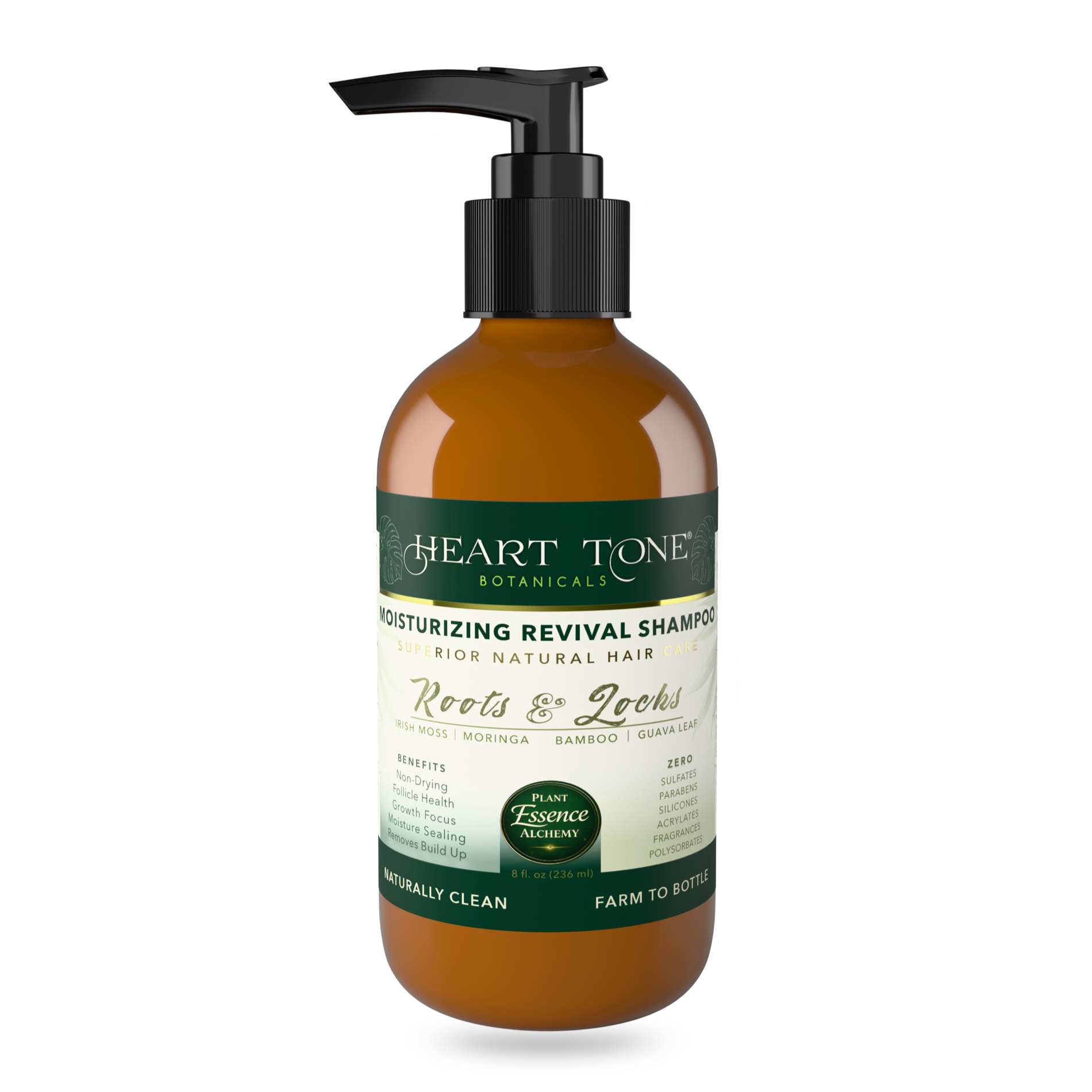
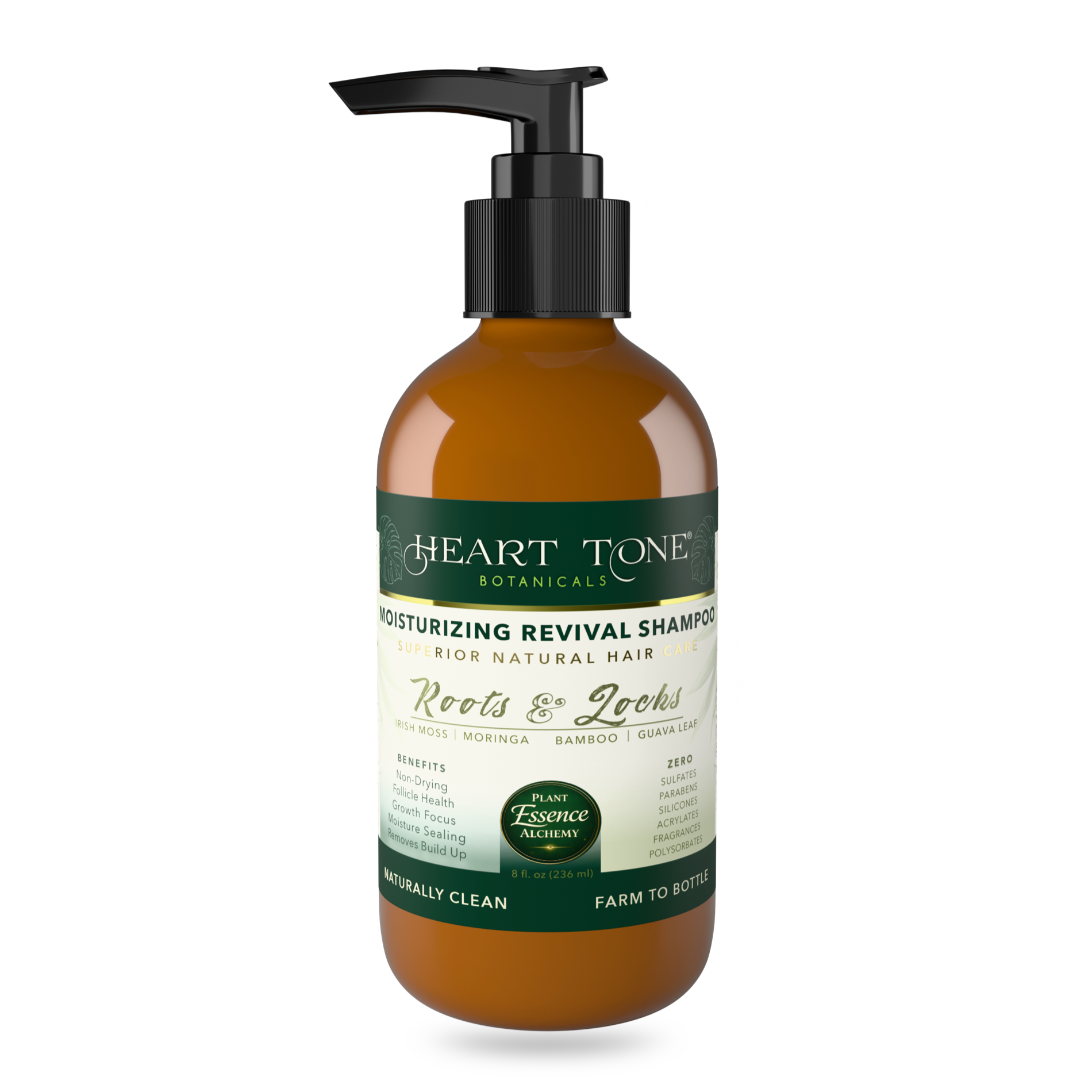
At Heart Tone Botanicals, JD grows many of the key botanicals in our products on his farm in Vero Beach, Florida — beyond organically, meaning practices that exceed organic standards without the certification overhead. Our hair and body care formulas are built on real plant extracts, not on a marketing positioning built around a token botanical.
We're telling you this because the industry counts on you not looking closely. The more you know about how labels are written and what claims are regulated, the better equipped you are to make choices that actually reflect your values — and to hold brands accountable when the story on the front doesn't match the ingredient list on the back.
Your personal care routine is personal. It should be honest too.
Explore our full collection at htbotanicals.com — and read every ingredient label we publish, because we want you to.

Leave a comment
This site is protected by hCaptcha and the hCaptcha Privacy Policy and Terms of Service apply.