

Serum Is the Easiest Step to Get Wrong
Of everything in a skincare routine, serum is the step people are most likely to mess up without realizing it. It's a small amount of concentrated product sandwiched between two steps — toner and face cream — and a lot of the advice floating around frames it like an afterthought instead of a step with its own rules. The result is a lot of people applying a good serum in a way that wastes most of what it's actually there to do. Here are the mistakes that come up again and again, and what to do instead.
Mistake 1: Applying Serum to Dry Skin
Serum works best on skin that's still slightly damp — right after cleansing or toning, before it's had a chance to fully dry. A water-based serum applied to bone-dry skin has to work a lot harder to spread and settle in, and a lot of people end up using more product than they need just to compensate. Misting with a hydrosol-based toner first, then applying serum while skin is still damp, is the simplest fix — and it's exactly why a toning mist is the first step in most botanical face routines rather than an optional extra.
Mistake 2: Skipping the Wait Time Before Face Cream
This is the single most common serum mistake: applying face cream immediately after serum, with no pause in between. Layering a heavier product right on top doesn't give the serum a moment to settle into the skin on its own, and it can dilute the thinner layer underneath before it's had a chance to do anything. Thirty to sixty seconds is usually enough — long enough to feel the serum tack up slightly before you move to the next step. It's a small pause that changes how the rest of the routine performs.
Mistake 3: Using It in the Wrong Order
The general rule is lightest texture to heaviest: toner, then serum, then face cream, then facial oil if you use one. Serum before toner, or serum applied after a heavy cream, both work against the formula — a heavier layer underneath acts like a barrier that keeps a thinner serum from spreading evenly. If you use more than one serum, the same logic applies within that step too: thinnest formula first, a brief pause, then the next one. Multi-step routines only work in the order they're designed for.
Mistake 4: Using Too Much Product
More serum is not a better result — it's usually just wasted product. Most face serums are formulated to be used in small amounts, a few drops at most, because they're more concentrated than a lotion or cream. Piling on extra doesn't make a routine work faster; it usually just sits on the surface of the skin, feels heavier than it should, and runs out twice as fast as it needs to. If a serum feels like it's not absorbing, the fix is almost always less product, applied more evenly, not more of it.
Mistake 5: Giving Up Before You've Used It Consistently
A serum is a daily-use step, not a one-time treatment, and a lot of people try a new one for three or four days, don't notice an obvious difference, and move on. Consistency matters here more than almost any other step in a routine — a serum used most mornings and evenings for several weeks is doing something very different from one tried a handful of times and abandoned. Give a new serum a real trial period before deciding whether it's the right fit for your skin.
What a Complete Routine Actually Looks Like
Serum doesn't work in isolation — it's one link in a short chain, and each step exists to set up the next one. A simple, correctly-ordered botanical face routine looks like this:
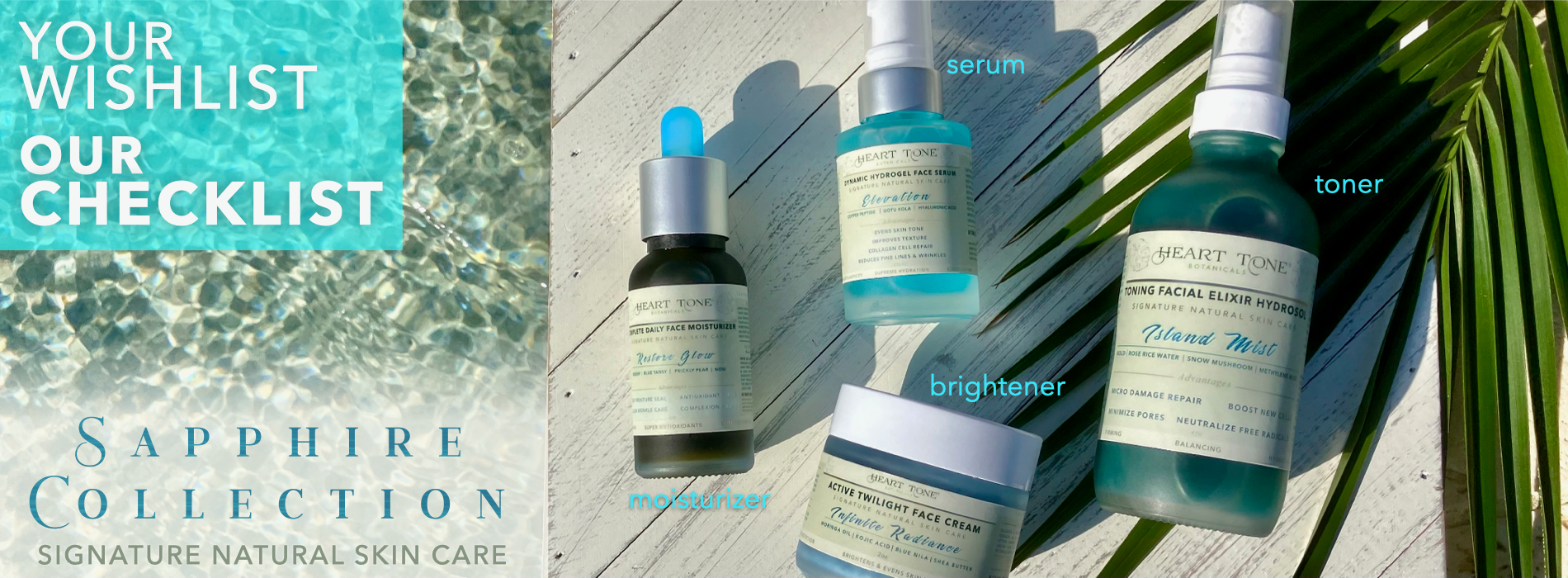
- Mist first — a hydrosol-based toning mist on clean skin preps the surface and leaves it damp, which is exactly the condition serum performs best in. Island Mist Toning Facial Elixir Hydrosol is formulated with rose and orange blossom hydrosols, aloe vera, and fermented rice water for a cooling, refreshing mist.
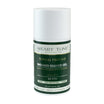
- Serum next, while skin is still damp — a lightweight, water-based hydrogel serum spreads more evenly on damp skin than a heavier cream would. Dynamic Hydrogel Face Serum is formulated with hyaluronic acid, niacinamide, copper peptide, pea peptide, and botanical hydrosols in a lightweight hydrogel base.
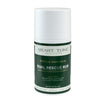
- Wait, then layer — a short pause, then a daily face cream to complete the routine. Complete Daily Face Cream is a blend of 22 botanical oils, including jojoba, moringa, and rosehip, formulated for daily use.
- At night, a richer layer — evening skin can generally handle a heavier texture than morning skin. Active Twilight Face Cream is a richer, PM-formulated cream with shea butter, moringa oil, and licorice root extract for a smoother, more comfortable feel overnight.
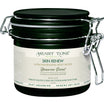
- If your skin prefers a lighter texture — a gel format can be a better fit than a cream for some skin types. Botanical Skin Gel is a lightweight gel formulated with aloe vera and other farm-grown botanicals.
The order matters more than any single product in the lineup. A great serum used out of sequence, on the wrong skin condition, or in the wrong amount will underperform a mediocre one used correctly.
The Bottom Line
Most face serum mistakes aren't about picking the wrong product — they're about how and when it's applied. Mist onto damp skin, apply serum in thin layers, give it a real pause before face cream, and follow the same routine daily for a few weeks before judging whether it's working for you. Get those basics right and the rest of the routine has a much better chance of actually delivering what it's formulated to do.
Heart Tone Botanicals builds its facial care line around that same order — toner, serum, face cream, and a richer night cream — so each step is designed to work with the one before it. Explore The AM/PM Face System for the full morning-and-night lineup, or The Complete Face Ritual for a simpler three-step version. Browse the full facial care collection to build a routine that fits your skin.

Leave a comment
This site is protected by hCaptcha and the hCaptcha Privacy Policy and Terms of Service apply.