

Walk through any natural beauty section and you'll see "sulfate-free" on nearly every bottle. It's become one of the most searched terms in hair care — and for good reason. But what does sulfate-free actually mean? Is it just clever marketing, or does it make a real difference for your hair and scalp?

Let's cut through the noise with honest, science-backed answers — and explain why making the switch might be the most impactful change you can make for healthier hair.
What Are Sulfates, Exactly?
Sulfates — most commonly sodium lauryl sulfate (SLS) and sodium laureth sulfate (SLES) — are synthetic detergents that create that satisfying, foamy lather you've come to expect from shampoo. They're highly effective at cutting through oil and product buildup, which is why they've been the industry standard for decades.
But here's the catch: sulfates don't discriminate. They strip everything — not just dirt and dead skin cells, but the natural oils your scalp works hard to produce. Those oils (sebum) are your hair's built-in moisturizer. Strip them away too aggressively, and your hair pays the price.
Signs That Sulfates Might Be Hurting Your Hair
If you've been using a conventional shampoo and notice any of the following, sulfates may be the culprit:
- Dryness and brittleness — hair feels parched hours after washing, even with conditioner
- Frizz and flyaways — especially pronounced in humid weather
- Faded color — color-treated hair loses vibrancy faster than expected
- Scalp irritation — itching, redness, or flaking after washing
- Curls losing definition — coils and waves fall flat or look dull
- Tight "squeaky clean" feeling that's actually your hair telling you it's been stripped
That squeaky-clean feeling is particularly misleading. It signals that your hair's moisture barrier has been compromised — not that it's been properly cleaned.
How Sulfate-Free Shampoo Works Differently
A sulfate-free shampoo replaces harsh synthetic surfactants with milder, plant-derived cleansing agents. These gentler surfactants still cleanse the scalp and remove buildup — they just do it without stripping your hair's natural moisture in the process.
The result? Hair that's genuinely clean but also soft, hydrated, and balanced. For many people, especially those with curly, coily, dry, or color-treated hair, the difference is noticeable within the first few washes.
Who Benefits Most from Going Sulfate-Free?
While sulfate-free shampoo works well for most hair types, certain people experience the most dramatic improvements:
Curly and Coily Hair
Curly hair is naturally drier because the spiral structure makes it harder for scalp oils to travel down the hair shaft. Sulfates exacerbate this dryness, leading to frizz, breakage, and lost curl definition. Sulfate-free formulas help preserve your natural curl pattern by maintaining the moisture your curls desperately need.
Dry or Damaged Hair
If your hair has been through heat styling, chemical treatments, or environmental stress, the last thing it needs is a harsh detergent stripping away what little moisture remains. A gentle, sulfate-free cleanse supports recovery rather than setting it back.
Color-Treated Hair
Sulfates are notorious for accelerating color fade. They open the hair cuticle aggressively during washing, allowing color molecules to escape. Switching to a sulfate-free formula can significantly extend the vibrancy and longevity of your color investment.
Sensitive Scalps
If you experience scalp irritation, redness, or sensitivity — especially conditions like eczema or psoriasis — sulfates can trigger or worsen flare-ups. Milder surfactants are far less likely to aggravate a reactive scalp.
Low-Manipulation Routines
For anyone practicing protective styles or trying to minimize mechanical damage, sulfate-free washing reduces the rough physical interaction with the hair during the cleansing process.

What to Look for in a Quality Sulfate-Free Shampoo
Not all sulfate-free shampoos are created equal. Some swap out sulfates but load the formula with silicones, synthetic fragrances, or other ingredients that create their own problems. Here's what to look for in a genuinely clean formula:
- Plant-derived surfactants — ingredients like decyl glucoside or coco-glucoside offer gentle cleansing
- Nourishing botanicals — look for herbs, plant oils, and extracts that support scalp and hair health
- No parabens or synthetic preservatives
- No silicones — silicones coat the hair shaft and can build up over time, especially without sulfates to remove them
- Honest ingredient transparency — brands that use real botanical ingredients shouldn't have anything to hide on the label
The Lather Myth
One of the most common hesitations people have about sulfate-free shampoo is the lack of dramatic lather. We've been conditioned (pun intended) to associate thick, foamy lather with effective cleansing. But lather is a sensory experience — it's what we feel, not what actually cleans.
Sulfate-free shampoos produce less foam, but they still cleanse effectively. In fact, many people find that their hair feels just as clean — if not cleaner in a real, nourished sense — after making the switch. Give yourself two to four weeks for your scalp to recalibrate. Your sebum production, which may have been in overdrive to compensate for harsh stripping, will normalize.
Roots & Locks: A Sulfate-Free Shampoo Built on Botanicals
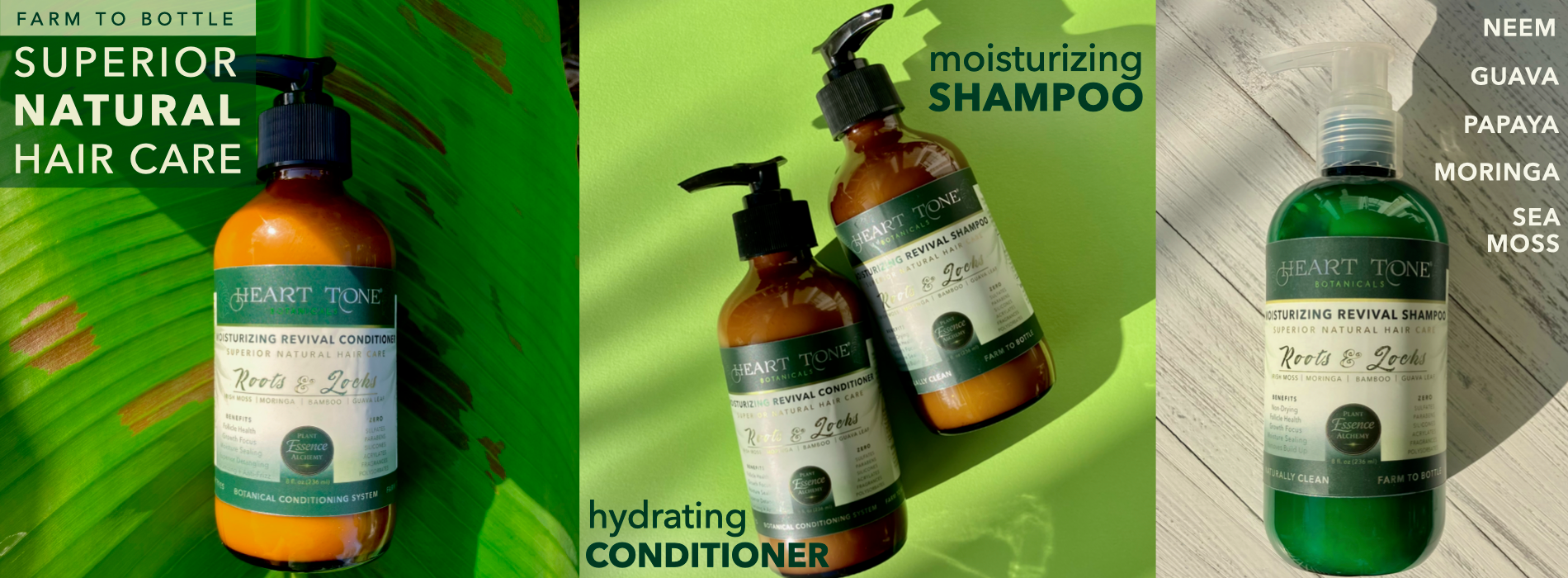
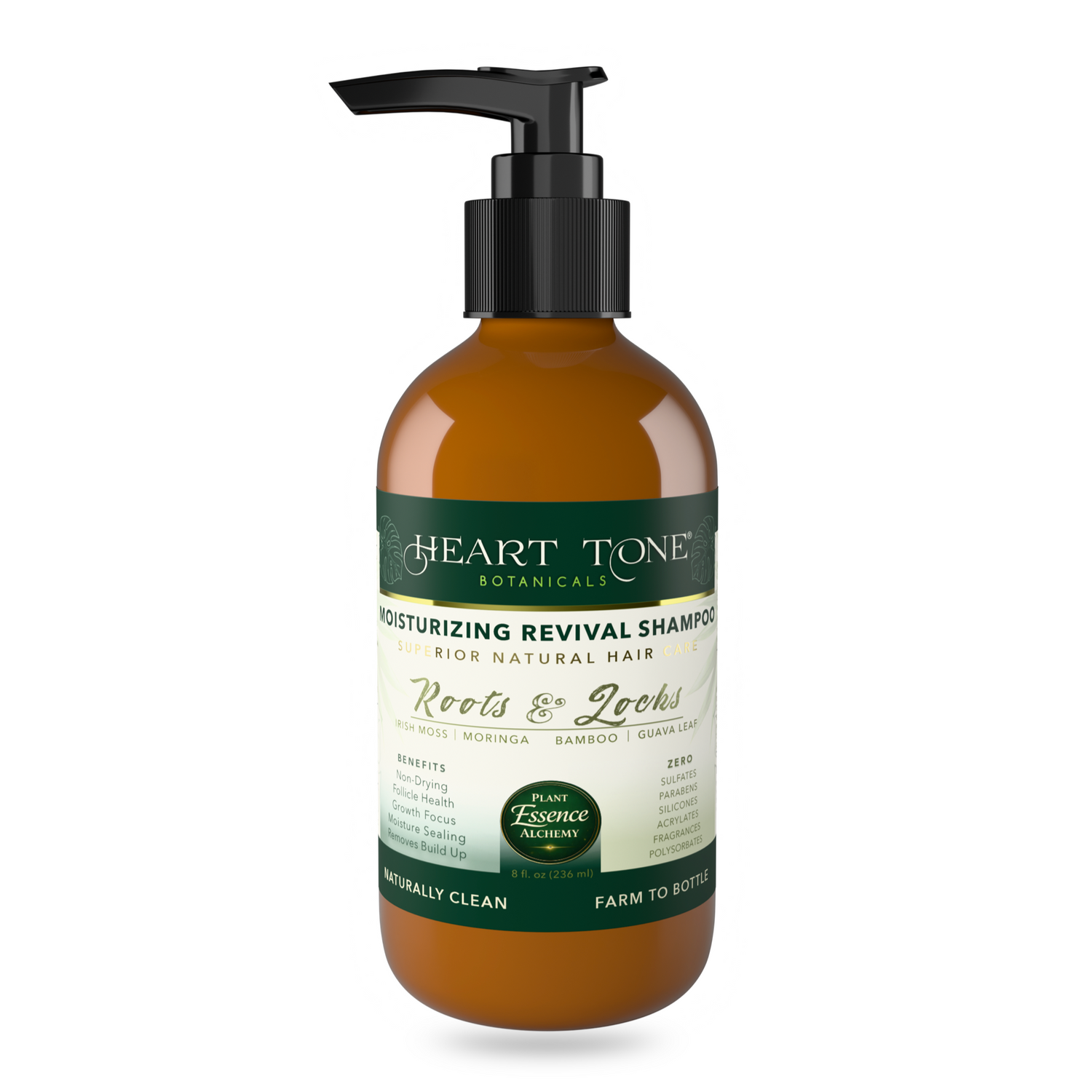
At Heart Tone Botanicals, we built our Roots & Locks Moisturizing Revival Shampoo around a single belief: your scalp is a living ecosystem, and it deserves to be nourished — not stripped.
Our formula is completely free of sulfates, parabens, and synthetic detergents. Instead, it's crafted with farm-grown botanical extracts chosen for their ability to gently cleanse while actively supporting scalp health. Every ingredient has a purpose. Nothing is there just to create foam or extend shelf life.
For a complete hair care routine, pair it with our Roots & Locks Moisturizing Revival Conditioner — a silicone-free formula that delivers real moisture and slip without leaving buildup behind. Together, they form a wash-day ritual that your hair will actually thank you for.
Explore the full Heart Tone Botanicals Hair Care collection to see everything we've crafted for healthier, more vibrant hair.
Making the Switch: What to Expect
If you've used sulfate-heavy shampoos for years, the first few washes with a sulfate-free formula can feel different — maybe even like your hair isn't getting "clean enough." This is normal. Your scalp is recalibrating.
Here's a simple transition plan:
- Week 1-2: Your scalp may produce more oil as it adjusts. Wash as needed, but give it time.
- Week 3-4: Sebum production normalizes. You may find you need to wash less frequently.
- Month 2+: Most people report noticeably softer, shinier, more manageable hair — and a scalp that no longer feels tight or irritated after washing.
The adjustment period is real, but so are the results. If you've been struggling with dryness, frizz, scalp sensitivity, or color fade, sulfate-free is worth the patience.
Bottom Line
Sulfate-free shampoo isn't a gimmick — it's a smarter way to cleanse. By replacing harsh synthetic detergents with gentler, plant-derived alternatives, you preserve the natural moisture and oil balance your scalp and hair need to thrive. For anyone with curly, dry, color-treated, or sensitive hair, going sulfate-free is one of the highest-impact changes you can make in your hair care routine.
Your hair is worth more than a temporary foam rush. Give it the gentle cleanse it actually deserves.

Leave a comment
This site is protected by hCaptcha and the hCaptcha Privacy Policy and Terms of Service apply.