

Sesame Oil Pulling: Why This Ancient Oil Is the Foundation of a Real Oil Pulling Practice
If you've looked into oil pulling, you've probably seen it done with coconut oil. But the original practice — the one rooted in Ayurvedic medicine thousands of years ago — was built on sesame seed oil. And for good reason.

Sesame oil pulling has more clinical research behind it than any other carrier oil. It's the oil used in most published studies on oil pulling's effects on plaque, bacteria, and gum health. And its unique fatty acid profile — rich in linoleic and oleic acid — makes it uniquely suited to the chemistry of what happens when oil meets saliva.
Here's what sesame oil actually does in your mouth, what the science supports, and why both Heart Tone Botanicals oil pulling formulas are built on a sesame seed oil base.
What Is Sesame Oil Pulling?
Oil pulling is the practice of swishing a small amount of oil — typically one tablespoon — around the mouth for 10 to 20 minutes, then spitting it out. The practice originates from Ayurvedic medicine, where it was described as kavala or gandusha, and was used to support oral cleanliness and overall wellness.
Sesame seed oil was the traditional choice. It was later joined by coconut oil in the Western wellness movement — but research-wise, sesame oil has the deeper track record.
The Science Behind Sesame Oil Pulling
Oil pulling has been studied in multiple randomized clinical trials, and sesame oil is the most frequently tested carrier. Here's what the research shows:
Plaque Reduction
An 8-week randomized trial found that sesame oil pulling produced significantly greater reduction in full-mouth plaque index compared to water alone — with the most notable improvement on buccal, lingual, and approximal surfaces. The mechanism appears to be mechanical: swishing a viscous oil through the mouth for several minutes disrupts and dislodges biofilm from tooth surfaces in ways that water simply can't replicate.
Bacterial Reduction and Bad Breath
In a study of 75 adolescents, daily sesame oil pulling for 15 days significantly reduced harmful bacteria in saliva and plaque — with reductions comparable to an antibacterial mouthwash. A separate study in 20 participants found sesame oil pulling was as effective as chlorhexidine in reducing microorganisms associated with bad breath and improving malodor scores over the short term.
The practice isn't detox theater — it's physical disruption of the biofilm that causes plaque, bacteria accumulation, and odor.
What It Doesn't Do (Honest Assessment)
Good oral health content earns trust by being honest. Sesame oil pulling won't replace brushing, flossing, or professional cleanings. The evidence doesn't support claims about systemic detoxification, teeth whitening, or dramatically reshaping your oral microbiome. What it does well — and consistently across studies — is mechanical plaque disruption and short-term bacterial reduction as part of a complete oral care routine.
Why Sesame Seed Oil Specifically
Sesame seed oil isn't just traditional — it has a fatty acid composition that supports the mechanics of oil pulling particularly well.
- Linoleic acid (omega-6): The dominant fatty acid in sesame oil. Anti-inflammatory properties and high lipid solubility help it interact with the oily components of plaque biofilm.
- Oleic acid (omega-9): A monounsaturated fat with antimicrobial properties, found in both sesame and olive oil.
- Sesamin and sesamolin: Unique lignans found almost exclusively in sesame — with antioxidant and anti-inflammatory properties studied for their effects on oral tissue.
- High stability: Sesame oil is one of the most oxidation-resistant plant oils, which means it doesn't go rancid quickly even with daily oral use — and it doesn't degrade into harmful compounds in the mouth.
When sesame oil emulsifies with saliva during swishing, the resulting soap-like substance — formed through partial saponification — helps physically carry bacteria and debris out of the mouth when you spit.
How Sesame Oil Pulling Differs from Coconut Oil
Coconut oil became the popular choice for oil pulling in Western wellness culture largely because of its broad antimicrobial reputation (linked to lauric acid content) and pleasant taste. But when it comes to published clinical research, sesame oil holds the advantage:

- Most oil pulling RCTs used sesame oil as the study oil
- Sesame oil's liquid state at room temperature makes swishing easier than solid coconut oil that needs to melt
- Sesame's sesamin lignans add antioxidant activity not found in coconut oil
- Sesame oil has been used in this practice for millennia — it's the original, not an adaptation
Neither oil is wrong. But if you're building a serious oil pulling practice, sesame seed oil is the research-backed foundation.
How to Do Sesame Oil Pulling
- Morning, before breakfast. Oil pull before eating or drinking anything — on an empty stomach, before you brush.
- One tablespoon. Start with a teaspoon if you're new to it; work up to a tablespoon as you get comfortable.
- Swish for 10–20 minutes. Gentle swishing through the teeth, not vigorous gargling. The oil will increase in volume as it mixes with saliva.
- Spit into trash (not sink). Oil can clog pipes over time. Spit into a paper towel or trash can.
- Rinse and brush. Rinse with water, then brush normally. This removes any residual oil and finishes your oral care routine.
Why Heart Tone Uses Sesame Oil as Its Base
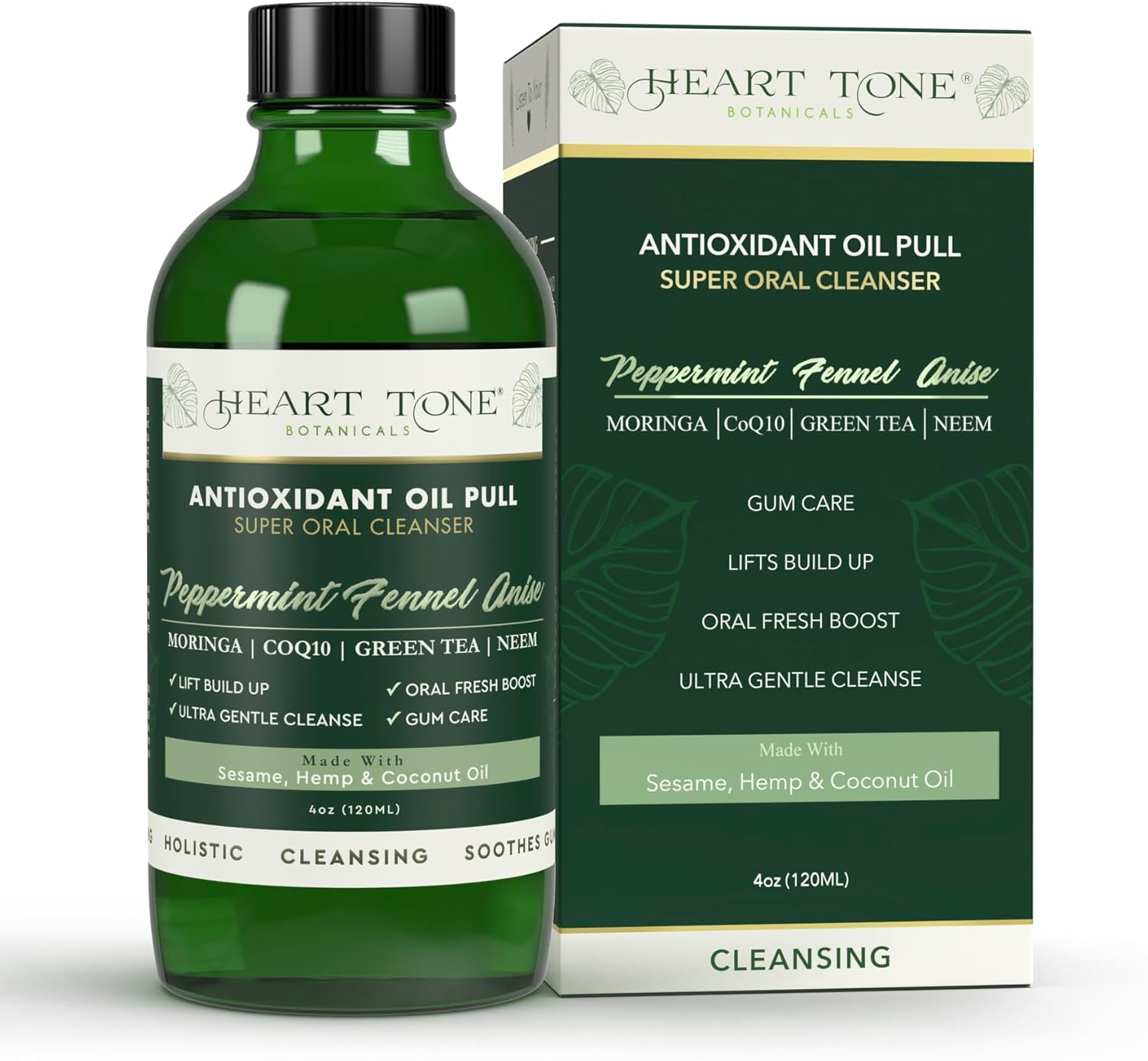
Both Heart Tone Botanicals oil pulling formulas — the Antioxidant Oil Pull and the Ozonated Oil Pull — are built on a foundation of antioxidant-rich sesame seed oil. Not coconut oil, not sunflower, not a neutral carrier. Sesame.
That's a deliberate choice rooted in the same Ayurvedic tradition the practice comes from — and backed by the same research we've described above.
From there, each formula takes the sesame oil base in a different direction:
- The Antioxidant Oil Pull layers in CoQ10, resveratrol, and 12 premium plant extracts — including myrrh, manuka, green tea, tea tree, and turmeric — for an antioxidant-rich ritual that goes beyond basic oil pulling.
- The Ozonated Oil Pull infuses that same sesame base with O₃ ozone for an extra-clean, elevated experience that adds ozone's antimicrobial potential to the mechanical benefits of sesame.
Both are peppermint-fennel-anise flavored, making them genuinely enjoyable to use — which matters, because the biggest challenge with oil pulling is consistency.
The best oil pulling product is the one you'll actually do every morning. A pleasant flavor makes it a ritual instead of a chore.
Who Oil Pulling Is Good For
Sesame oil pulling tends to work well as an add-on routine for people who:
- Want a more thorough morning oral care practice beyond brushing alone
- Struggle with plaque buildup between dental cleanings
- Are looking for natural, alcohol-free adjuncts to their oral care routine
- Prefer Ayurvedic-inspired wellness practices
- Are already using a fluoride-free remineralizing toothpaste and want to support it with a complete natural routine
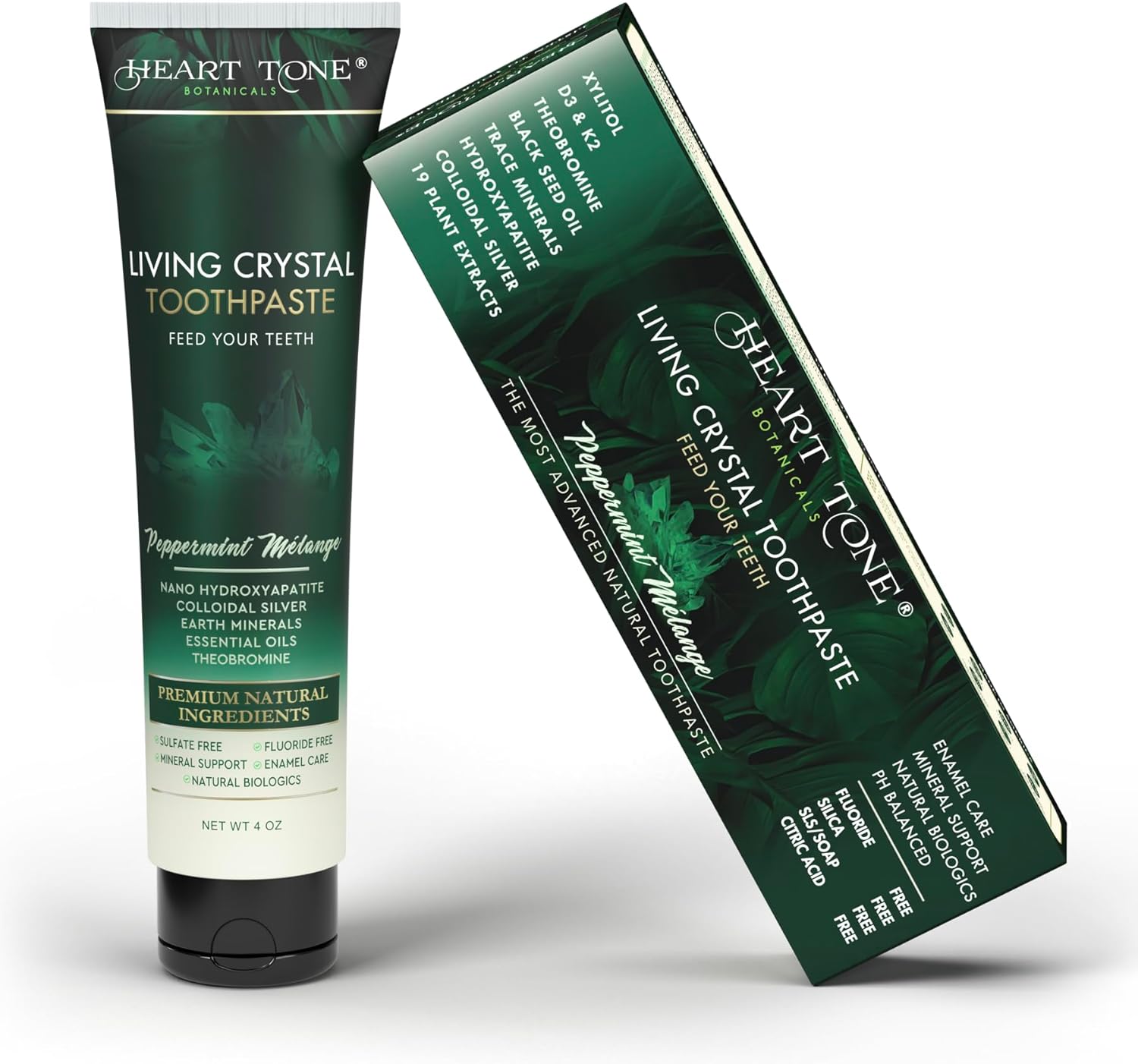
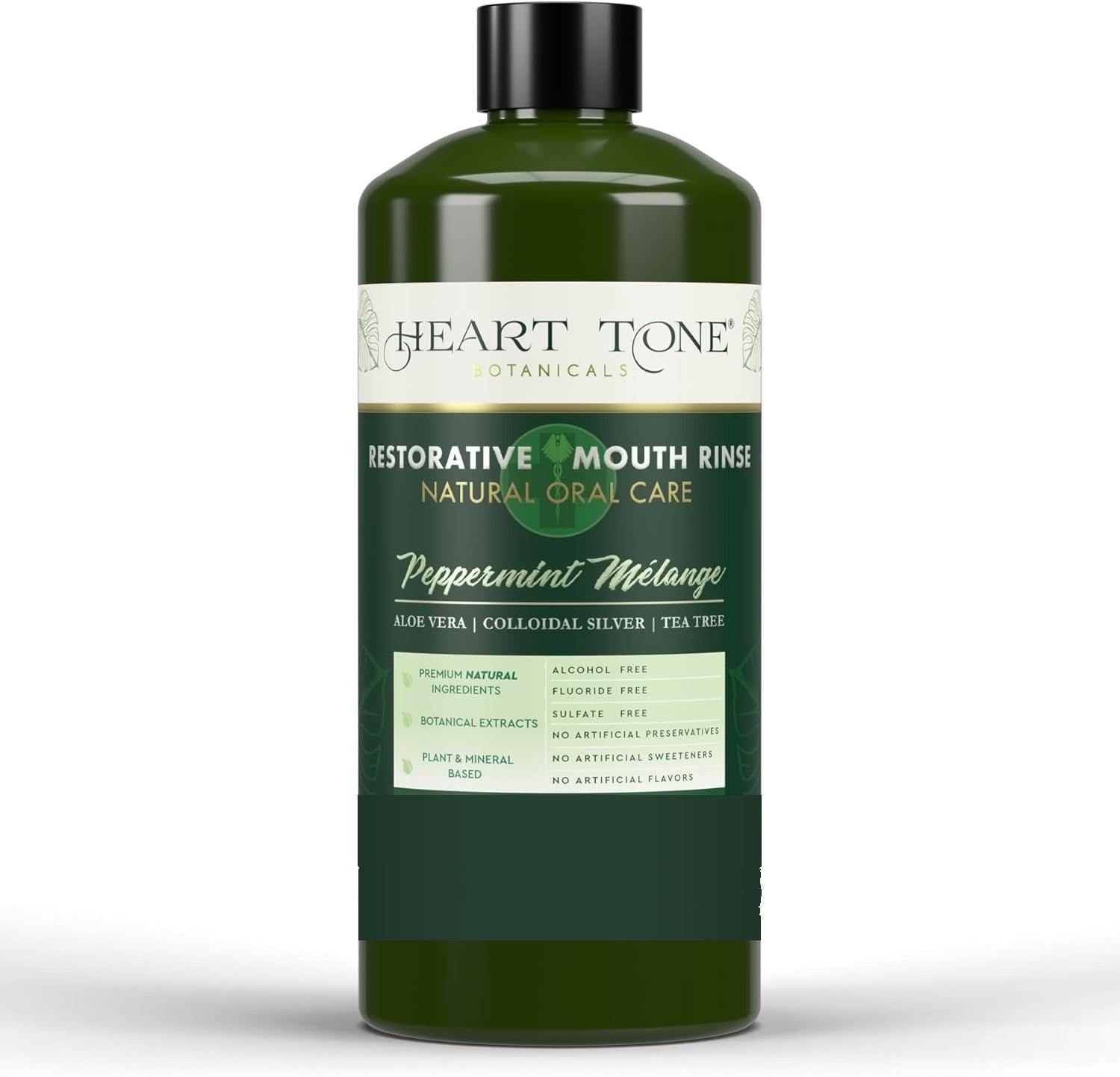
It pairs especially well with the full Heart Tone oral care system: oil pull first, then brush with Living Crystal Toothpaste, and finish with a swish of Restorative Mouth Rinse.
The Bottom Line on Sesame Oil Pulling
Sesame oil pulling is the most research-supported form of oil pulling, with clinical evidence for plaque reduction and short-term bacterial suppression. It works through mechanical disruption of biofilm — not magical detoxification — and it earns its place as an adjunct to a complete natural oral care routine.
It's not a replacement for brushing or professional care. But as a daily morning ritual, built on an oil that's been used this way for thousands of years, there's more going for sesame oil pulling than most natural wellness trends can claim.
Ready to try it with a formula built around sesame oil and elevated with antioxidants and botanicals?

Leave a comment
This site is protected by hCaptcha and the hCaptcha Privacy Policy and Terms of Service apply.