

If your skin has been stinging, feeling tight after cleansing, breaking out for no apparent reason, or reacting badly to products it used to tolerate — your skin barrier may be damaged. It's one of the most common (and most misunderstood) skin concerns, and it's something most commercial skincare routines actually make worse.

The good news: your skin knows how to heal. It just needs you to stop getting in the way — and give it the right botanical support.
What Is the Skin Barrier, Exactly?
Your skin barrier is the outermost layer of your skin — the stratum corneum. Think of it like a brick wall: skin cells are the bricks, and a mixture of ceramides, fatty acids, and cholesterol are the mortar holding everything together.
When that mortar breaks down, the wall develops cracks. Moisture escapes (called transepidermal water loss, or TEWL), and irritants, bacteria, and pollutants get in. The result? Skin that never seems to settle down.
A healthy skin barrier means:
- Skin that holds moisture without feeling greasy
- Resilience to environmental stress (wind, cold, pollution)
- Calm, even texture that isn't reactive to every new product
- Fewer breakouts and faster recovery from irritation
Signs Your Skin Barrier Is Damaged
Barrier damage doesn't always announce itself dramatically. Watch for these common signs:
- Stinging or burning when you apply products — even gentle ones
- Persistent dryness or flakiness that doesn't respond to moisturizer
- Tight, uncomfortable feeling after washing your face
- Redness, blotchiness, or uneven texture that wasn't there before
- More breakouts — particularly small, irritated ones
- Sudden sensitivity to products you've used for months
- Dull, dehydrated appearance — skin that looks "off" even when you're getting enough sleep
If several of these feel familiar, you're likely dealing with a compromised barrier.
What Causes Barrier Damage?
The modern skincare industry has unintentionally made this problem worse. Here's what damages the barrier:
- Over-exfoliation — using AHAs, BHAs, and physical scrubs too frequently strips the lipid layer
- Harsh cleansers — high-pH soaps and sulfate-heavy washes disrupt the skin's natural acid mantle (ideal pH: 4.5–5.5)
- Overloading actives — retinol, vitamin C, niacinamide, and exfoliants all at once overwhelms the skin's repair capacity
- Environmental stress — UV exposure, cold dry air, wind, and pollution all degrade barrier lipids over time
- Hot water — long hot showers strip the protective oils your skin produces
- Fragrance and synthetic preservatives — even many "natural" products contain sensitizing compounds that degrade barrier integrity with repeated use
The irony is that many people damage their skin barrier by trying to fix their skin. The solution isn't more actives — it's simplification and nourishment.
How Long Does Barrier Repair Take?
Real talk: it takes weeks, not days. Most skin experts suggest a minimum of 4–6 weeks of consistent, simplified care before the barrier fully recovers. You'll typically notice less stinging and more moisture retention within the first 7–14 days, with texture and tone continuing to improve through the second month.
Patience is the active ingredient here.
The Botanical Barrier Repair Routine
Here's what a barrier-focused routine looks like when you build it around whole-plant ingredients rather than synthetic actives:
Step 1: Cleanse Gently
This is where most routines go wrong. A cleanser should remove dirt and excess oil without stripping. Look for cream or balm textures with aloe, glycerin, or oat-derived ingredients. Avoid anything that leaves your face feeling "squeaky clean" — that sensation means your lipid layer just went down the drain.
For compromised skin, even rinsing with cool water in the morning (without a cleanser) gives the barrier time to recover overnight.
Step 2: Hydrate with a Toning Mist
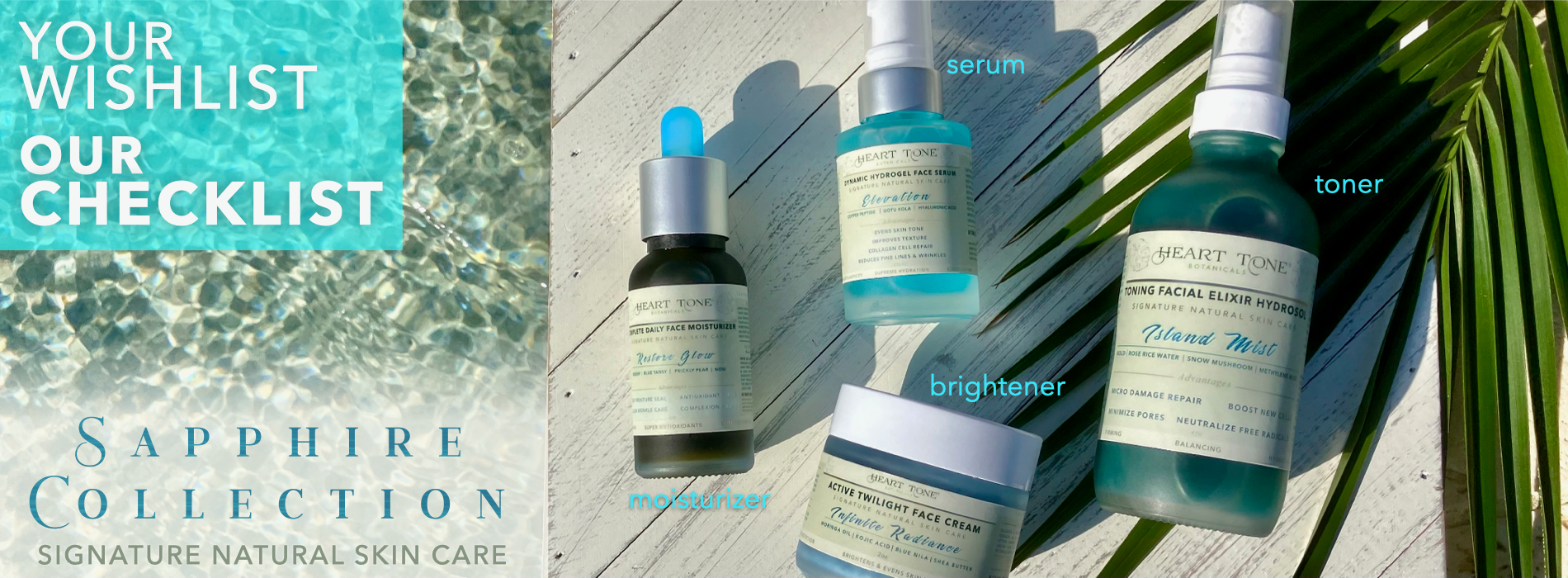
After cleansing, apply a hydrating toner while skin is still slightly damp. This is where Island Mist Toning Facial Elixir Hydrosol does something unique. Unlike acid toners (which you absolutely want to pause during barrier repair), Island Mist is a true botanical hydrosol — a steam-distilled plant water that delivers hydration and soothing phytoactives without any pH disruption.
Hydrosols sit at a naturally skin-friendly pH and won't strip, tighten, or sting. That's exactly what a healing barrier needs.
Step 3: Serum (If Tolerated)
During barrier repair, less is more. If your skin is very reactive, skip the serum entirely and go straight to moisturizer. If your skin is holding stable, a simple hydrating serum can speed recovery.

Dynamic Hydrogel Face Serum is built for this moment: a gel-based formula that layers on hydration without heavy occlusives, allowing skin to breathe while it heals. No harsh actives, no fragranced botanicals — just deep, functional hydration.
Step 4: Moisturize to Seal
Your moisturizer is the critical barrier sealer. It needs to do two things: deliver lipid-replenishing ingredients (think plant oils rich in linoleic and oleic acids) and create a light occlusive seal to prevent moisture loss overnight and throughout the day.
Two products stand out for this:
- Complete Daily Face Moisturizer — a balanced daytime option formulated with botanical extracts that reinforce the skin's natural lipid matrix without clogging pores
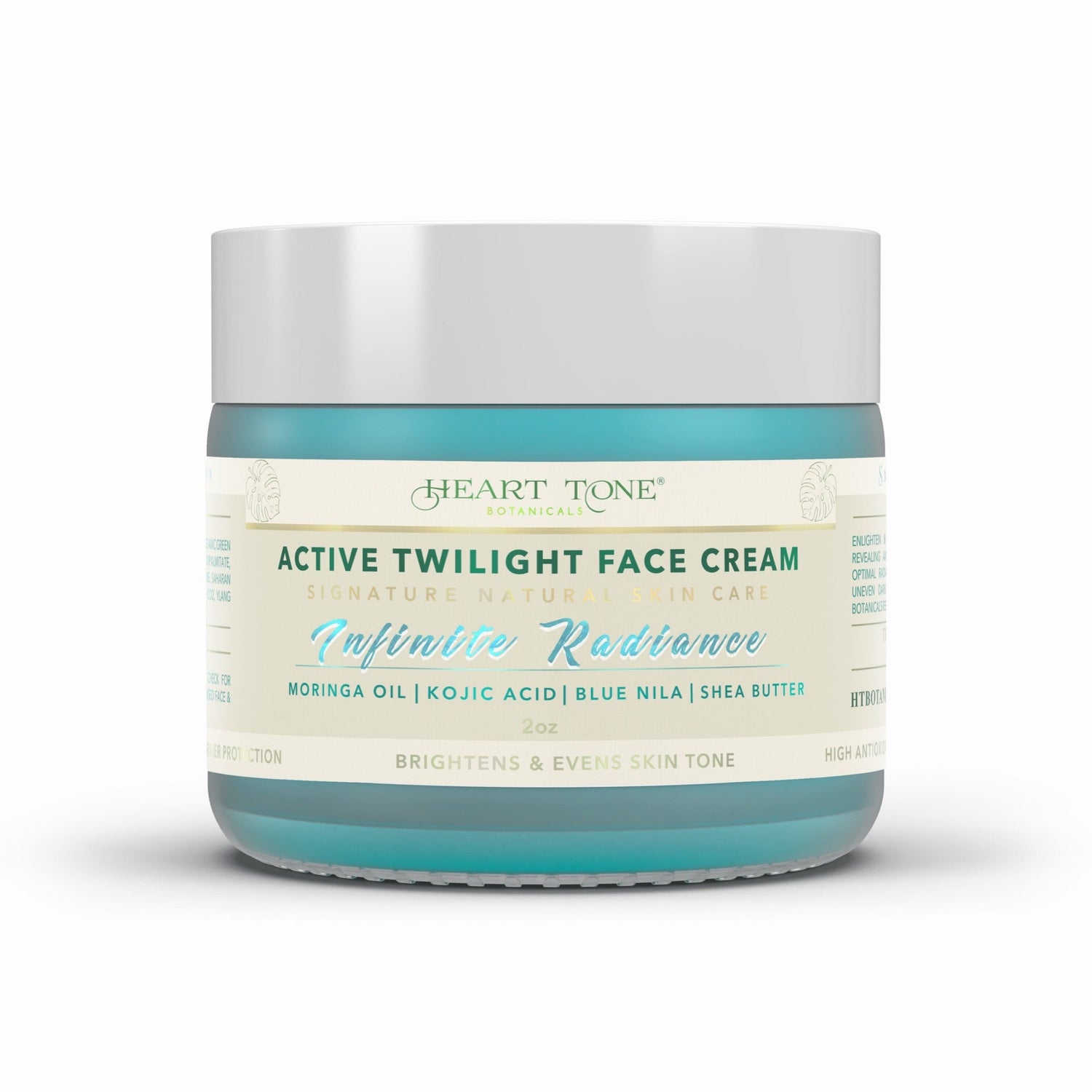
- Active Twilight Face Cream — the richer, nighttime counterpart designed to work with skin's overnight repair cycle; particularly valuable when the barrier is actively healing
If your skin is very dry or significantly damaged, apply Active Twilight Face Cream at night as the final layer. Rich in plant-derived emollients, it gives the barrier what it needs to rebuild while you sleep.
Optional: Targeted Soothing Gel
For areas of intense irritation, redness, or sensitivity, Botanical Skin Gel can be applied as a spot treatment or light layer before your moisturizer. Its plant-based gel formula calms inflammation and accelerates local skin healing — particularly useful for skin that's reacting to over-exfoliation or environmental stress.
What to Stop Immediately
While your barrier repairs, pause these entirely:
- All exfoliating acids (glycolic, lactic, salicylic)
- Retinol and retinoids
- Physical scrubs or brushes
- Essential oil-heavy products (even natural ones can sensitize compromised skin)
- Multiple-step active routines — the "layering" trend is not for healing skin
You're not abandoning your skincare goals — you're pausing them for 4–6 weeks so your skin can get back to a baseline where those actives will actually work.
The Full Barrier-Repair System
If you want a pre-built solution rather than assembling products individually, The AM/PM Face System pairs the daytime and nighttime essentials in one bundle. And for a complete botanical facial ritual, The Complete Face Ritual includes the full lineup — cleanser, mist, serum, and moisturizer — formulated to work together without competing or overwhelming the skin.
Both are designed around the principle that your skin heals best when you give it consistent, gentle nourishment — not the latest trend.
Lifestyle Factors That Accelerate Repair
Topicals do a lot, but the barrier also responds to what's happening systemically:
- Sleep: Skin undergoes most of its cellular repair between 11 PM and 4 AM. Protecting this window is free skincare.
- Omega-3 fatty acids: Found in walnuts, flaxseed, and fatty fish — these support the skin's internal lipid production
- Hydration: Water loss through the skin increases when the barrier is damaged; drinking enough water supports topical hydration efforts
- Stress management: Cortisol degrades barrier function. Managing stress isn't just mental health — it shows up on your skin.
When to See a Dermatologist
Most barrier damage responds to simplified, botanical routines within a month. See a dermatologist if:
- Redness, burning, or rash is severe and worsening
- You suspect eczema, rosacea, or contact dermatitis
- Gentle, fragrance-free care hasn't improved things after 6–8 weeks
These conditions share symptoms with barrier damage but require different treatment protocols.
The Takeaway
Repairing a damaged skin barrier isn't complicated — but it requires a mindset shift. Less is more. Consistency matters more than potency. Your skin doesn't need to be pushed; it needs to be supported.
Browse the full range of barrier-friendly botanicals in our facial care collection — every formula is built around this principle: plant-based, purposeful, and gentle enough for skin that needs to heal.
Your skin's resilience is remarkable. Give it the right conditions, and it will rebuild itself.

Leave a comment
This site is protected by hCaptcha and the hCaptcha Privacy Policy and Terms of Service apply.