

If you have natural, curly, or coily hair, you've probably heard the term co-washing — but you might still be wondering what it actually means, whether it's right for your hair type, and how to do it correctly. This guide breaks it all down, from the science behind co-washing to a step-by-step routine you can start this wash day.

What Is Co-Washing?
Co-washing (short for conditioner washing) means cleansing your hair using conditioner instead of traditional shampoo. Also called "no-poo" or conditioner-only washing, the technique has become a staple in natural hair care because it cleans the scalp and strands without stripping away the natural oils your curls need to thrive.
The key difference? Most conventional shampoos rely on sulfate surfactants that lather aggressively and lift away sebum — which is great for removing buildup, but can leave textured hair feeling dry, rough, and frizz-prone. Co-washing uses the gentler cleansing agents found in conditioners to refresh the hair without that moisture loss.
Why Natural Hair Benefits Most from Co-Washing
Curly and coily hair textures are naturally more prone to dryness than straight hair. Here's why: the tight spiral structure of each strand makes it harder for scalp oils to travel down the length of the hair. That means moisture that gets stripped during shampooing is harder to replace — and the result is brittle, breakage-prone hair that never quite feels nourished.
Co-washing addresses this directly. By cleansing with conditioner:
- Natural oils are preserved, keeping the cuticle sealed and moisturized
- Frizz is reduced, because the hair shaft isn't roughed up by harsh surfactants
- Curl definition improves, as well-moisturized curls clump and coil more consistently
- Breakage decreases, because soft, hydrated strands are far more elastic and resilient
- Wash days become gentler, which means you can co-wash more frequently without damage
It's particularly beneficial for anyone with 4A, 4B, or 4C hair, heat-damaged strands, color-treated hair, or hair that feels perpetually dry no matter how much conditioner you apply.
How to Co-Wash Natural Hair: Step-by-Step
Co-washing isn't complicated — but doing it right makes a big difference in your results. Follow these steps for a thorough, nourishing cleanse:
Step 1: Saturate Your Hair with Warm Water
Before you apply any product, let warm water run through your hair for at least two to three minutes. Warm water opens the cuticle and loosens dirt, product residue, and scalp buildup — making your conditioner's cleansing agents far more effective. Hair that's thoroughly pre-wet also absorbs conditioner more evenly.
Step 2: Section and Apply Conditioner Generously
Divide your hair into four or more sections (more if you have thick or very dense hair). Apply a generous amount of conditioner to each section — start at the scalp and pull the product through to the ends. You'll use more product than you would for a regular conditioning treatment. That's intentional: co-washing is a two-in-one cleanse and condition, and your hair needs full coverage to get both benefits.
Step 3: Massage the Scalp Thoroughly
Using your fingertips (not your nails), massage the conditioner deeply into your scalp — just as you would with shampoo. This step does the actual cleansing work: the mechanical action of massage lifts sweat, dirt, and sebum so it can rinse away. Spend at least two to three minutes here. This scalp stimulation also supports circulation, which contributes to a healthier hair growth environment over time.
Step 4: Detangle from Ends to Roots
With product still in your hair, use your fingers or a wide-tooth comb to gently detangle each section — starting at the ends and working upward. This is one of co-washing's biggest practical perks: the slip from the conditioner makes detangling much easier and reduces mechanical breakage compared to dry detangling or detangling after a clarifying shampoo.
Step 5: Let It Sit
Allow the conditioner to rest in your hair for five to ten minutes. This gives your strands time to absorb moisture from the conditioning agents, particularly helpful if your hair is dry, high porosity, or color-treated.
Step 6: Rinse Thoroughly — Don't Rush This
Rinse with warm water, focusing first on the scalp to make sure all product residue clears away. A good rule: spend about twice as long rinsing as you did massaging. Incomplete rinsing is the number one cause of the scalp buildup and itchiness that sometimes gets blamed on co-washing itself. Finish with a cool water rinse to help seal the cuticle and boost shine.
Step 7: Dry Gently and Style
Skip the cotton bath towel — it creates friction that snags curls and causes frizz. Instead, use a microfiber towel or an old T-shirt to blot and scrunch out excess water. Then apply your leave-in conditioner, styling cream, or defining product while hair is still damp, and style as usual.

The One Rule: Balance Co-Washing with Clarifying
Co-washing is not a complete replacement for shampoo — it's a complement to it. The gentleness that makes it ideal for moisture preservation also means it doesn't fully remove heavy product buildup, hard water minerals, or excess sebum over time. If you rely exclusively on co-washing for months on end, you'll likely notice:
- Scalp itchiness or sensitivity
- Dull, weighed-down curls that won't define properly
- Product that won't absorb or distribute evenly
- An overall "heavy" feeling at the root
The solution is a balanced rotation. Most natural hair experts recommend co-washing one to three times per week and using a gentle sulfate-free shampoo every one to two weeks to fully clarify the scalp. Listen to your hair: when curls start feeling limp and your scalp feels congested, it's shampoo day.
What to Look For in a Co-Wash Product
Not every conditioner makes an effective co-wash. Here's what to prioritize:
- Silicone-free formula — silicones create a coating that builds up without sulfate shampoo to remove it. Avoid ingredients ending in "-cone," "-conol," or "-siloxane" for daily co-washing use.
- Botanical or plant-based ingredients — look for humectants like aloe vera, glycerin, or honey, along with conditioning plant oils and herbal extracts that genuinely nourish strands rather than just coating them.
- No heavy mineral oils or petrolatum — these seal the cuticle in a way that can block moisture absorption over time.
If you're using a dedicated co-wash product versus a regular conditioner, some co-wash formulas contain mild cleansing agents (like cationic surfactants) that slightly improve scalp cleansing while retaining the gentle, conditioning feel. These tend to work well for active lifestyles where you're refreshing your hair after workouts multiple times a week.
Pairing Co-Washing with a Quality Shampoo and Conditioner
The best co-washing routines don't live in a vacuum — they work as part of a complete wash day system. When it's time for your weekly or biweekly clarifying wash, the products you choose matter as much as how you use them.
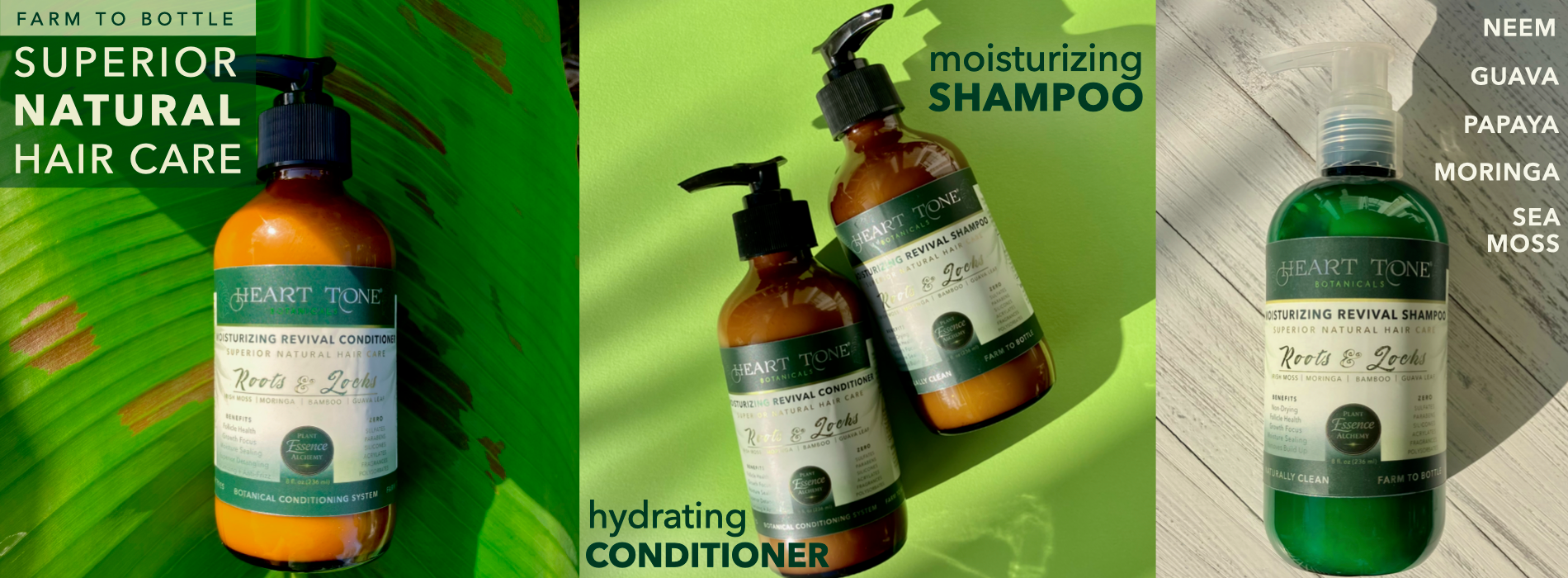
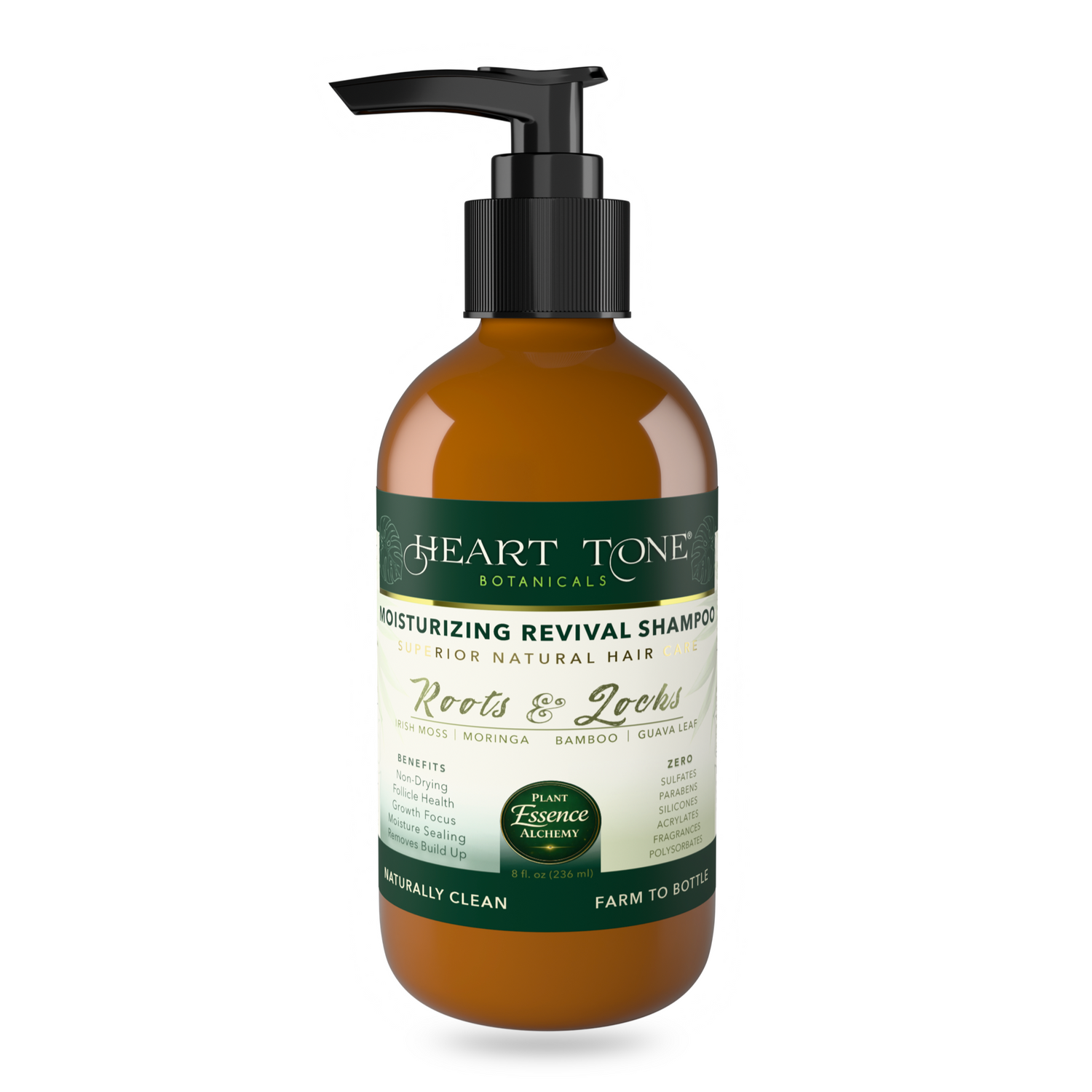
Heart Tone's Roots & Locks Moisturizing Revival Shampoo is formulated for this exact role: a gentle but thorough cleanse that removes buildup without stripping the moisture you've spent all week building up through co-washing. Made with rare botanicals grown beyond organically on a working farm, it focuses on scalp microbiome health and delivers plant compounds directly into the hair follicle — cleansing your scalp without the dryness spiral that most shampoos trigger.
Follow it with the Roots & Locks Moisturizing Revival Conditioner to seal, soften, and restore. This conditioner also doubles beautifully as a co-wash product between your full shampoo days — its botanical formula is silicone-free, conditioning, and nourishing enough to do the light cleansing work a co-wash requires while leaving strands hydrated and ready to style.
Browse the full Hair Care collection at Heart Tone Botanicals to explore all of our farm-grown botanical hair products.
Is Co-Washing Right for Your Hair Type?
Co-washing is a particularly strong fit if:
- You have naturally curly, coily, or tightly textured hair (types 3A–4C)
- Your hair is dry, color-treated, or heat-damaged
- You exercise frequently and want to refresh your hair without stripping it daily
- You've noticed your hair gets dry and frizzy after every shampoo
- You're transitioning from chemically treated to natural hair
It may be less ideal if your scalp produces significant oil, if you use heavy stylers (waxes, greases) daily, or if you have fine, straight hair that goes limp with too much conditioner. In those cases, alternating a gentle shampoo with occasional co-washing may serve you better than full-time co-washing.
The Bottom Line
Co-washing is one of the most effective tools for maintaining moisture, reducing frizz, and building a healthier natural hair routine — but only when done correctly and balanced with regular clarifying. Saturate well, massage thoroughly, rinse completely, and rotate with a gentle shampoo every week or two. Give your curls a consistent routine and you'll notice the difference within a few wash days: softer strands, better definition, and less breakage overall.
Your hair does best when what you're putting on it is honest. Start with plants. Start with what grows.

Leave a comment
This site is protected by hCaptcha and the hCaptcha Privacy Policy and Terms of Service apply.